
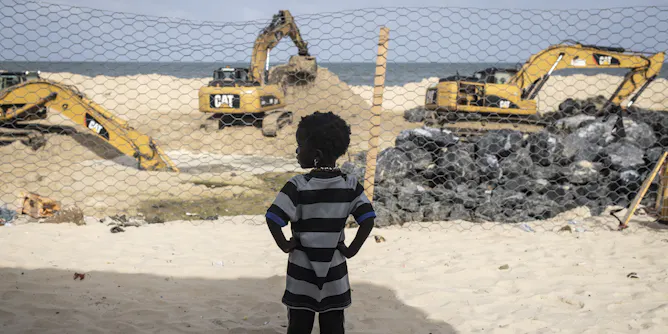
The promise of US$100 billion a year for North-South solidarity is now a source of frustration for developing countries.
Articles on IPCC report 2022
Displaying 1 - 20 of 26 articles
Society is built on intersecting workplaces – and workers from many industries are being affected by climate change.
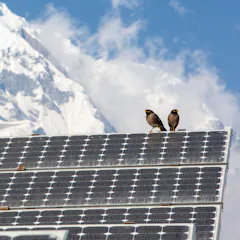
Decarbonise electricity and reform land use to plunge emissions – world’s top experts.
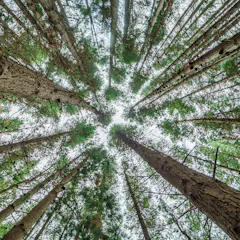
With the world on track to blow the carbon budget for 1.5°C before the end of this decade, we must use offsetting carefully. It can no longer be a substitute for deep emissions cuts.
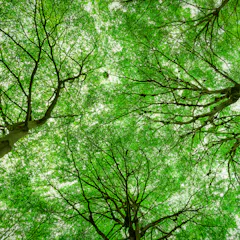
While carbon dioxide removal from the air is not a replacement for emissions reductions, it can supplement these efforts. Experts are continually researching the best ways to do this.
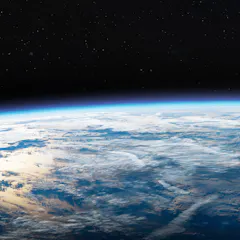
The current estimate is that Earth would warm by 1.5°C to 4.5°C if emissions were to double on pre-industrial levels. The range has remained stubbornly wide, despite improved climate modelling.
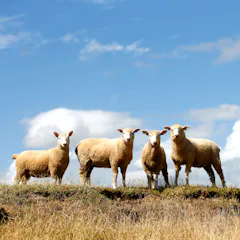
New Zealand can expect more days above 25°C, the threshold for heat stress in livestock, and fewer frost days, which will affect crops like kiwifruit that need winter chilling.
Three of the report’s 270 authors highlight some key findings.
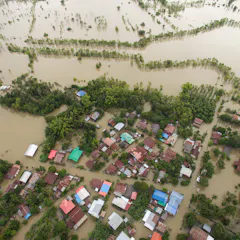
Plus, a section of a rocket is about to crash on the Moon. What scientists hope to learn from it. Listen to The Conversation Weekly podcast.
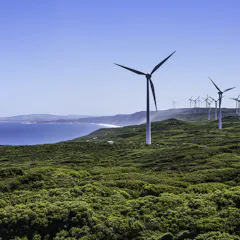
If politics wasn’t an obstacle, we could decarbonise Australia within 13 years and soak up residual emissions with forests.
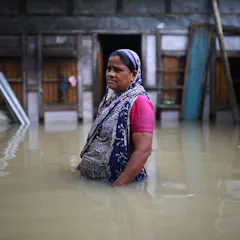
From melting glaciers to mounting storms, the impacts of climate change are global – but they’re not equally shared.
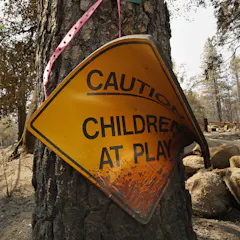
The author’s 9-year-old son will likely face about four times as many extreme events in his lifetime as older adults today. An international report explains the impacts already being felt.
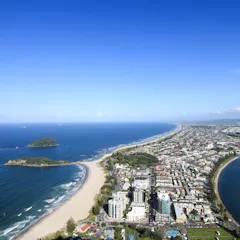
Globally, about a billion people living in coastal cities are at risk of climate hazards. The impacts go well beyond the coast and could affect us all, with disruptions to supply chains and trade.
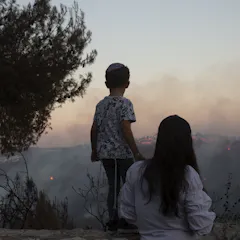
For the first time, an IPCC climate report has assessed evidence that weather and climate extremes are already affecting mental health — and are likely to worsen.
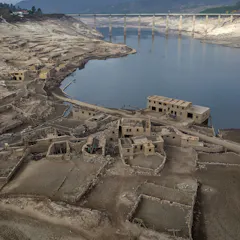
Water is central to adapting to climate change, but very few of the strategies put in place to respond to water hazards or ensure its availability have been evaluated.
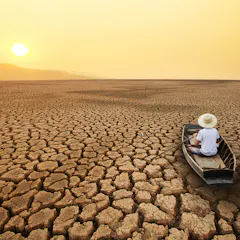
Decades of research shows disasters are caused human vulnerabilities rather than the climate itself.
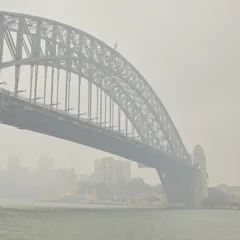
We are no longer in typical conditions. Climate change is already damaging human and natural systems we hold dear in Australia.
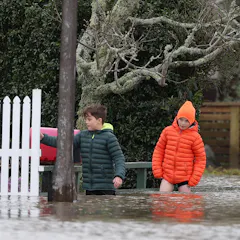
As the impacts and costs of climate change increase over time, New Zealand’s financial systems could become less stable and the government less able to support those affected.
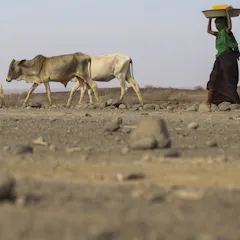
The IPCC is the global authority on climate change. Their new report paints a worrying picture of climate impacts already affecting billions of people, economies and the environment.
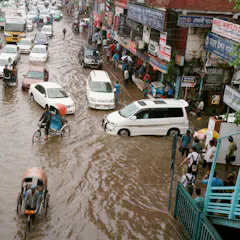
An author of the report explains the damaging effects climate change is already having and why adaptation is essential.
Top contributors
-

Director, ANU Institute for Climate, Energy & Disaster Solutions, Australian National University
-
Professor of Applied Economics, Lincoln University, New Zealand
-
Postdoctoral Research Fellow in Resources, Environment and Sustainability, University of British Columbia
-
Professor and Director, International Development, Community, and Environment, Clark University
-
Professor in Marine Biology, Nord University
-
Professor of Climate Change Adaptation, La Trobe University
-
Professor, School of Population Health, University of Auckland, Waipapa Taumata Rau
-
ARC DECRA Senior Research Fellow, Institute for Marine and Antarctic Studies, University of Tasmania
-
Professor, University of Sydney
-
Professor, Institute for Marine and Antarctic Studies and Director of the Centre for Marine Socioecology, UTAS, University of Tasmania
-
Associate Professor in Public Health, The University of Queensland
-
University of Manitoba
-
Directeur de recherche émérite au CNRS, Université Grenoble Alpes (UGA)
-
Senior Principal Research Scientist, CSIRO
-
Research Fellow at The International Institute for Applied Systems Analysis (IIASA) and Melbourne Climate Futures, The University of Melbourne