
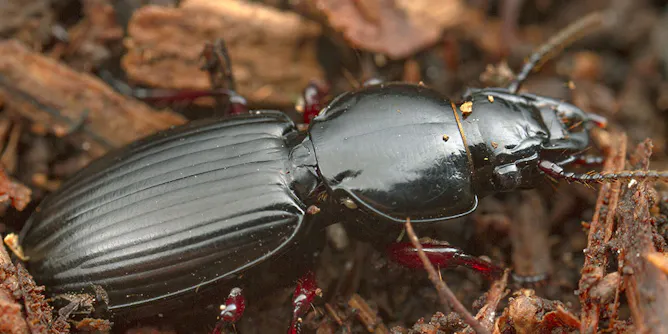
When the rainforests burned, the leaf litter did too – and with it, billions of invertebrates vital to healthy ecosystems.
Articles on Invertebrates
Displaying 21 - 40 of 72 articles
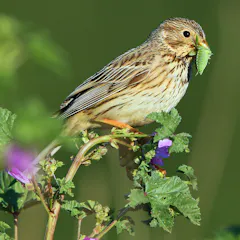
Insect-eating birds such as swifts and yellow wagtails are particularly vulnerable.

Meltwater rivers in the European Alps will change as glaciers melt – threatening animals that are vital for alpine ecosystems with habitat loss.

Our research looked at data from the government’s annual baking competition. Upon close analysis, we find a dangerous lack of diversity and biases towards cute, cuddly mammals.
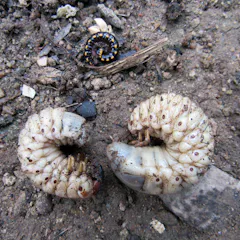
Many gardeners worry these large larvae might damage plants. But before you squish them, read this.
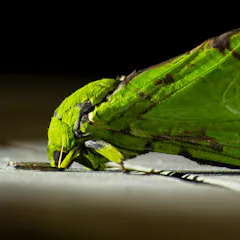
There would be no life on Earth without invertebrates, but they are understudied and underappreciated. The Bug of the Year competition aims to change that, so have your say and vote!
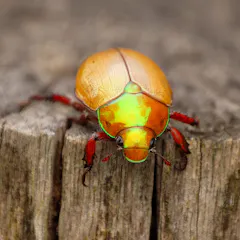
Wet weather is great for some species of bugs. But Christmas beetle swarms look to be a thing of the past
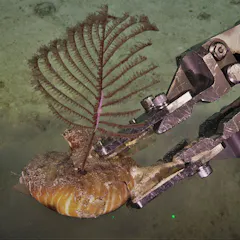
Black corals provide critical habitat for many creatures that live in the dark, often barren, deep sea, and researchers are learning more about these rare corals with every dive.
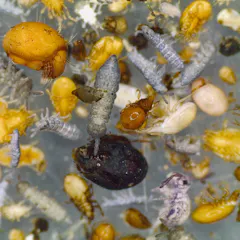
New research shows rewilding with invertebrates – insects, worms, spiders and the like – can go a long way in bringing our degraded landscapes back to life.
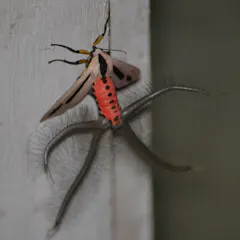
Invertebrates are the most abundant animals on our planet – and the vast majority are nothing to be afraid of, despite their appearances.

Invertebrates are “the little things that run the world”. So researchers decided to count all the ants on Earth, to help monitor how they’re coping with environmental challenges.
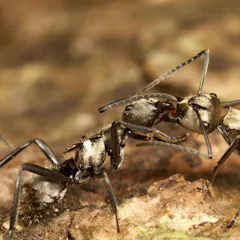
A new map of more than 14,000 ant species around the world will guide efforts for discovery and conservation.

Fungi underpin life on Earth, but are far less well catalogued and understood than animals and plants. Three scientists call for including fungi in conservation strategies and environmental laws.
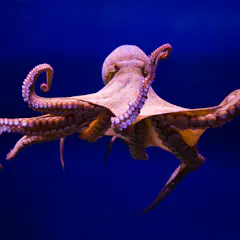
With nine brains, blue blood and a talent for camouflage, the octopus is one of the most fascinating creatures in the sea.

Slow progress may be better than none at all for animals living in the UK.
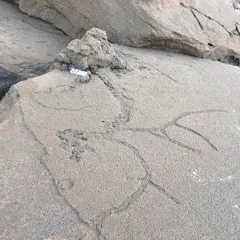
There is something near-miraculous in the concept of tiny creatures, weighing just grams, making tracks and traces so long ago, that are now evident in rock.
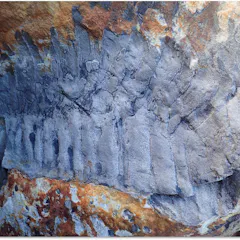
Why our chance discovery of an Arthropleura as long as an alligator, while on holiday on a beach in northern England, was such a landmark moment.
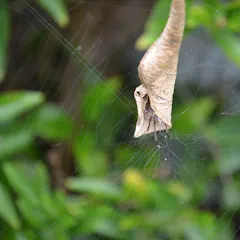
These fascinating spiders only live for about a year and have particularly interesting family arrangements.
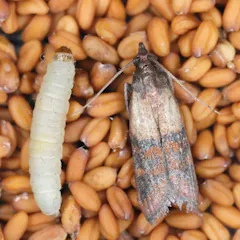
Unfortunately, it’s likely you brought them home yourself. Most pantry moth infestations probably start when we inadvertently bring home eggs and caterpillars in our dried foods.
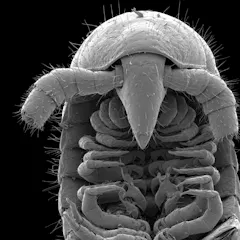
Millipede means ‘1,000 feet’, but until now the name was a bit of an exaggeration.
Top contributors
-

Associate Professor in Entomology, University of Sydney
-
ARC Industry Fellow, Adelaide University
-
Associate Professor, Ecology, Northumbria University, Newcastle
-
Associate Professor in Zoology, Western Sydney University
-
Senior Ecologist, University of Sydney
-
Research Fellow in Comparative Psychology, University of Cambridge
-
Professor, School of Life and Environmental Sciences, University of Sydney
-
Professor, Deakin University
-
Professor, Marine Evolutionary Ecology, Monash University
-
Senior Lecturer in Environmental Earth Science, Deakin University
-
Lecturer, School of Life and Environmental Sciences, University of Sydney
-
Senior Lecturer and Senior Research Associate, Cornell University
-
Associate Professor, Monash University
-
Conservation biologist, Queensland University of Technology
-
Research officer, Institute for Molecular Bioscience, The University of Queensland