
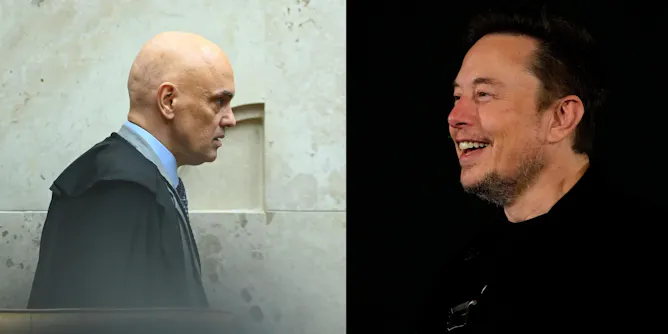
Brazil’s attempt to strike a balance between free speech and regulation of online platforms has become politicized – complicating future legislation.
Articles on Internet law
Displaying 1 - 20 of 43 articles

The ban follows a long-running battle between Brazil’s supreme court and Elon Musk. It shows the country will no longer tolerate tech giants ignoring the rule of law.
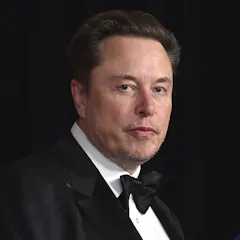
The eSafety Commissioner has dropped its Federal Court case against Musk’s X (formerly Twitter), but it’s not the end of the attempts to regulate online material - here and abroad.

In a statement on Wednesday the commissioner, Julie Inman Grant, said she had decided to discontinue the federal court proceedings and instead welcomed the opportunity for an independent review.

Restricting the internet in Senegal is costly. There will be financial costs and damage to livelihoods.

Technology has played a key role for both sides engaged in the conflict. So what would happen if Myanmar’s military shut down all communication to the outside?
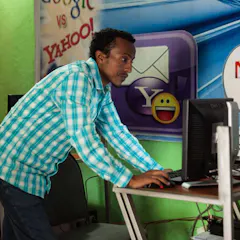
An absence of laws governing the digital space has allowed the government to tinker with internet accessibility as it sees fit.

Data privacy regulations are being adopted to protect internet users. Today, humans need to read those rules to ensure compliance. New research suggests machines could interpret them in real time.

The ACCC’s inquiry was launched to address concerns about the market power of major digital platforms, such as Google and Facebook, and their impact on Australia’s businesses and media.

The father of the web wants to address issues including malicious content circulation, misinformation, and the polarisation of online debate. But the methods he is proposing aren’t great.

The first internet communication was underwhelming, thanks to a computer crash. But a lot has happened since then – including key decisions that helped build the internet of today.
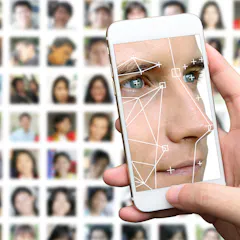
The law is out of step with technology that means anyone can manipulate your images in hyper-realistic ways.
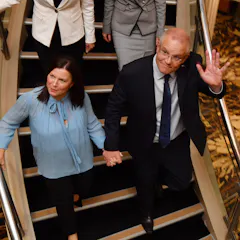
It’s easy to legislate for new offences and more incarceration. It’s harder – and more expensive – to ensure the community is safer in the long term. This involves addressing causes, not effects.
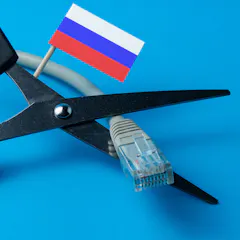
Vladimir Putin’s complaints about Western power over telecommunications echo – if not co-opt – concerns raised by less powerful nations for decades.

Internet taxes could stifle Africa’s free and vibrant social media.
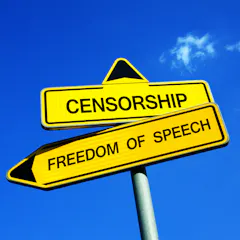
The borderless nature of the internet makes it hard to pull the plug on social media talk that crosses the line.

A new copyright reform law has many up in arms – they want you to do something about it before it comes up for a vote.

For years, watchdogs have warned of the potential problems of sharing data with online companies. The Facebook data crisis has made these concerns much more real. What should be done now?
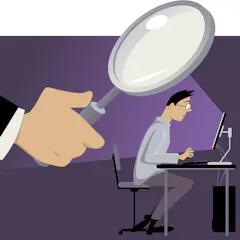
US privacy laws focus on informing consumers what’s happening with their data; other countries specifically restrict data collection and analysis.
The end of net neutrality in the US does not mean the rest of the world will follow – and there’s plenty of evidence that demonstrates continued commitment to open access.
Top contributors
-

Assistant Professor , Seton Hall University
-
Professor specialising in Internet law, Bond University
-
Senior Lecturer in Internet Law, Aston University
-
Post-doctoral Researcher, London School of Economics and Political Science
-
Senior Research Associate, Lancaster University
-
Professor of Law, University of Connecticut
-
Senior Lecturer in Intellectual Property Law, University of Sussex
-
Associate Professor in Education, University of East Anglia
-
Pioneers Chair in Telecommunications & Professor of Telecommunications, Penn State
-
Associate Professor in IT and IP law, Director of iLaws, University of Southampton
-
Research Fellow, University of Nottingham
-
Associate Vice President for Entrepreneurship and Innovation, Clemson University
-
Professor of Computer Science, University of St Andrews
-
Research professor of Intellectual Property Law, University of Glasgow
-
Senior Lecturer, Law School, Lancaster University