
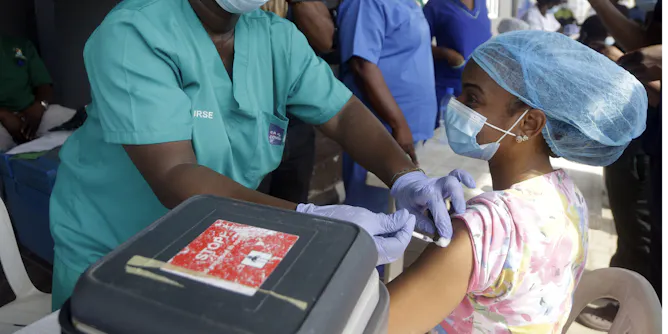
India and South Africa are pressing the World Trade Organization to waive patent rights to help ramp up vaccine production. There’s a better solution.
Articles on Intellectual property
Displaying 61 - 80 of 154 articles

Too many patents and too little information about them makes it hard for the system to weed out patents that unfairly block inventors.
To continue the fast-paced collaborative research and innovation we have seen during the pandemic, here are five ways universities can support health research that responds to societal needs.

A waiver may not allow all developing countries to secure medicines and other anti-COVID technologies in a timely way.
Plus new research on why China is closing down coal-fired power stations. Listen to episode 3 of The Conversation Weekly.

Gen Z have been collaboratively writing Ratatouille the Musical on TikTok – but what do the terms of service say about who owns the art?

The story of invention in America typically features larger-than-life caricatures of white men like Thomas Edison while largely ignoring the contributions of women and people of color.

The changes for allow access to orphan works and put beyond doubt the right of academics to quote from copyrighted works.

Innovation means creating and capturing value from new things. And it’s better for the Kiwi economy if investment in that innovation grows local industries and creates jobs.
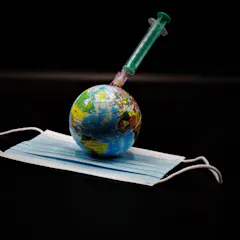
The TRIPS waiver makes COVID-19 treatments more accessible globally by enabling manufacture and distribution of COVID-19 drugs and medical supplies that would normally be protected by patents.

China represents one of the biggest consumer markets in the world. Can that potential profit offset the problems of investing for multinational corporations? Apparently, yes.

Many countries recruit overseas talent in science and technology, but China’s approach to gaining intellectual property is particularly aggressive.

A unique challenge is emerging in the search for a COVID-19 vaccine: how to balance intellectual property rights with serving the public good.
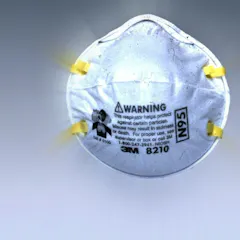
There’s a risk Australia won’t get access to everything it will need need. It can take are simple stepsto make sure patents don’t get in the way.

Drug companies normally use patents to protect new treatments.

For Nollywood to fully compete at the global level, it should adopt a smart, proactive approach.

Fewer books will be available to South Africans, and the books remaining under copyright will be more expensive, if the country gives in to US pressure to extend its copyright term.

The defacing of a new Banksy mural in Bristol has raised some interesting legal questions.

Bigger penalties for pirating plants could help encourage growers to develop new varieties.

The message to foreign firms is that you’ve got at least as good a chance of winning in a Chinese court as in your own country.
Top contributors
-

Professor of Intellectual Property Law, City St George's, University of London
-
Professor of Public Health, La Trobe University
-
Professor in Intellectual Property and Innovation Law, Queensland University of Technology
-
Professor of Law, University of Sydney
-
Associate Professor, School of Law, University of Canberra
-
Associate Vice President for Entrepreneurship and Innovation, Clemson University
-
Associate professor, University of Canterbury
-
Professor of Law, University of Melbourne; Chair of Private Law, Te Herenga Waka — Victoria University of Wellington
-
Professor and Distinguished Research Chair, Globalization and Health Equity, L’Université d’Ottawa/University of Ottawa
-
Distinguished Professor, Arthur J. Gosnell Professor of Economics, & Head, Department of Sustainability, Rochester Institute of Technology
-
Director, Melbourne Institute of Applied Economic and Social Research, The University of Melbourne
-
Professor in International Relations / International Political Economy, UNSW
-
Senior Lecturer in Biochemistry and Cell Biology, University College Cork
-
Professor, University of Gondar
-
ARC Future Fellow; Professor; Director, Intellectual Property Research Institute of Australia, The University of Melbourne