

Research shows there can be profound business benefits to hiring people living with intellectual disability.
Articles on Intellectual disability
Displaying 21 - 40 of 56 articles

If hospitals know a person has an intellectual disability, they can tailor communication and care to improve their treatment and health outcomes.
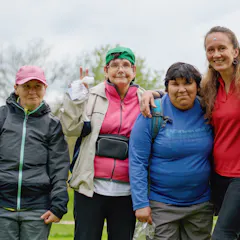
People with intellectual disability told us they want better transport, employment and better maintained public toilets and pedestrian crossings. But many said their opinions were rarely sought.

The Attica uprising marked a milestone in the prisoners’ rights movement. Many of the grievances aired in 1971 are still relevant to today’s incarcerated population.
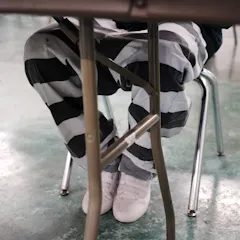
A quarter of prisoners report a cognitive, intellectual or developmental disability. But the true figure could be even higher.
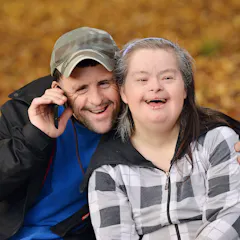
Even before the pandemic, disabled people reported feeling socially isolated and lonely. Their plight has only been exacerbated by responses to the COVID-19 pandemic.

Self-isolation and physical distancing only add to the problems for mothers with an intellectual disability who are at risk of failing to get the help they need.

The government has made several announcements to safeguard aged care residents and those in hospitals, but we’re yet to see the same attention paid to the one in five Australians with a disability.

Sudden changes to routine and care might worsen mental health conditions, like anxiety, in autistic people or those with other intellectual disabilities.

Three-quarters of people with an intellectual disability receive prescribed drugs.

To understand what we suspect, so far, about the way in which some people with autism may see the world, we need to examine how we use the bank of experiences we have stored in memory.

It’s important for the child and their achievement at school that there is a good parent-teacher-student partnership.

People with intellectual disability experience higher rates of mental ill health than the rest of the population, so NDIS can be doubly relevant.

Things could get worse for special education students if the Trump administration follows through on its plans to give states more leeway when it comes to how they treat special education students.

Facilitated Communication began in Australia in the 1980s to help people with disabilities communicate, but it has since been shown to replace the voice of the person with that of the facilitator.
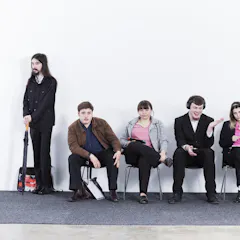
Employable Me is being touted as the feel good TV series of 2018. But will it make any difference to how employers approach jobseekers with disabilities?

Using antipsychotics off licence is causing more problems than it solves.
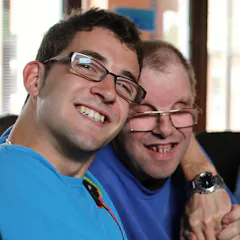
Numerous measures are in place to help young disabled children thrive, but the transition beyond school can be a difficult one. Here are some tips for families to help their children prepare for life beyond.

The story of a six-year-old boy with dyslexia who, with support from friends and teachers, became a successful professor. Now he teaches teachers how to help children like him.
Think it’s hard for first-home buyers? Ask people with an intellectual disability about it.
Top contributors
-

Senior Research Fellow, Transforming early Education and Child Health Research Centre, Western Sydney University
-
Professor, Medicine and Health, UNSW
-
Senior Lecturer, Center for Study of Human Health, Emory University
-
Deputy Director, The Kids Research Institute Australia, Professor of Autism Research, The University of Western Australia
-
Lecturer & Director of Field Education in the Social Work Program, University of Sydney
-
Dean of Graduate Studies , Adelaide University
-
Associate Professor, Faculty of Law, Monash University
-
Professor in Public Health Data Science, Swansea University
-
Associate Professor, University of the Sunshine Coast
-
Associate Professor, Deakin University
-
Professor of Psychology, Eastern Michigan University
-
Professor, Texas State University
-
Assistant Professor of Special Education, The Ohio State University
-
Senior Lecturer Sport Science, School of Biological Sciences, University of Essex
-
Academic Clinical Fellow, UCL