

Few diagnoses have broadened their diagnostic boundaries as much or as quickly as autism. This has affected those with the most profound disability.
Articles on Intellectual disability
Displaying 1 - 20 of 56 articles

When a child has a disability, especially an intellectual one, a father’s involvement often shifts in complex ways.
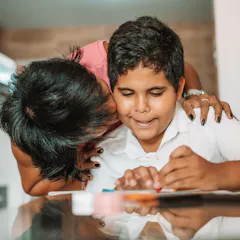
Every autistic child has individual strengths and needs. New research investigates how a category of ‘profound autism’ could impact their diagnosis and supports.

Paracetamol can safely treat fever and pain at any stage of pregnancy. And it’s important, as leaving fever untreated can be dangerous for the mother and baby.
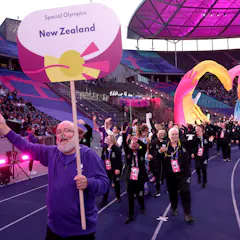
This week’s NZ National Summer Games are part of a global Special Olympics movement that rivals other sports mega-events in scale. Media coverage needs to catch up.
South Africa needs to take pragmatic steps to plug the shortcomings in the data that’s collected on people with intellectual and developmental disabilities.
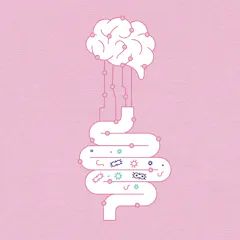
Imbalances in different species of bacteria in a baby’s gut may provide insights into their neurodevelopment.

Donald Trump’s words about Kamala Harris – she’s a ‘mentally disabled person’ – were widely criticized as coarse and ugly. They are also often found among disparaging descriptions used by others.

If sport is for everyone, sport must be (re)imagined in ways that make it more accessible for all bodies. We have an ethical responsibility to change sport to make it meaningfully inclusive for all.

According to the UN and rights organizations, people with an intellectual disability are still often exploited in workplaces in Québec and Canada.
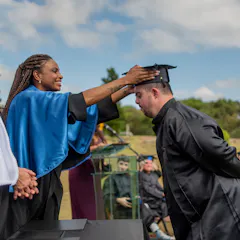
Inclusive postsecondary education programs help students with intellectual disabilities make friends and become independent adults.

People with intellectual disability are 50% more likely to die from cancer than the general population.

People with intellectual disability told us they often felt cut out of their own health appointments, as healthcare practitioners spoke to their support person or family instead of to them.
The disability royal commission was a once-in-a-lifetime chance to investigate the realities of life for disabled Australians. But it missed three critical areas in need or urgent reform.
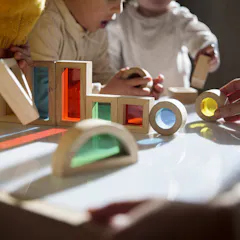
Developmental delay is viewed clinically as a temporary state where children are slower to develop than expected. It is most often used for children under five.

We spoke to young people with intellectual disability. They had the same goals for life after high school as most people their age. But they felt ‘stuck’.
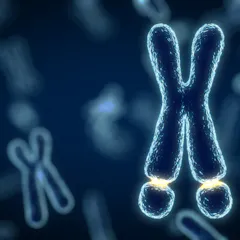
Fragile X syndrome is the most common inherited form of intellectual disability. Using short bits of DNA to fix improperly transcribed genes may one day be a potential treatment option.

The lack of sexuality education, and common myths and misconceptions about the sexuality of people with intellectual disability can lead to caregivers being reluctant ‘jailers’.

The NDIS offers support for activities of daily living, but doesn’t count parenting in this category.
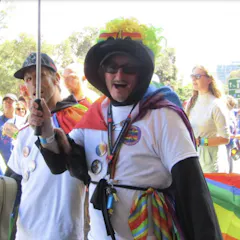
People with intellectual disabilities face additional barriers to access and participation in community, which means their voices are often missing from LGBTQ+ events.
Top contributors
-

Senior Research Fellow, Transforming early Education and Child Health Research Centre, Western Sydney University
-
Professor, Medicine and Health, UNSW
-
Senior Lecturer, Center for Study of Human Health, Emory University
-
Deputy Director, The Kids Research Institute Australia, Professor of Autism Research, The University of Western Australia
-
Lecturer & Director of Field Education in the Social Work Program, University of Sydney
-
Dean of Graduate Studies , Adelaide University
-
Associate Professor, Faculty of Law, Monash University
-
Professor in Public Health Data Science, Swansea University
-
Associate Professor, University of the Sunshine Coast
-
Associate Professor, Deakin University
-
Professor of Psychology, Eastern Michigan University
-
Professor, Texas State University
-
Assistant Professor of Special Education, The Ohio State University
-
Senior Lecturer Sport Science, School of Biological Sciences, University of Essex
-
Academic Clinical Fellow, UCL