

Unintentional injuries kill 20 US children every day. Building a family culture of safety can help them learn to make wise choices.
Articles on Injury prevention
Displaying all articles

Before you accept the pool party invitation or host your own, ask these questions first.

Preventable injuries and deaths kill more Americans in the first half of life than any other cause, including cancer. Yet the programs aimed at addressing them have been gutted by CDC layoffs.

Staying warm in winter is important, but so is staying safe. So a little caution can go a long way to prevent serious injury.

A bad night’s sleep on Sunday, the start of a new project and changing weather over the weekend can all affect what happens on site on Mondays.

One thing we can do to reduce this transport inequity is make it easier for First Nations people to get their driver’s licence. This also brings individuals and communities many other benefits.

Kids were more likely to tell an adult and less likely to touch or hold a handgun that they discovered if they’d recently watched a short video about gun safety.

If you feel safer, you might take more risks – canceling out the benefits of various safety interventions. But educating people about this paradox and allowing for some personal choice might help.

A spate of recent accidents on giant tube slides are more than we should expect from “normal rough and tumble” play in a visit to the local playground.
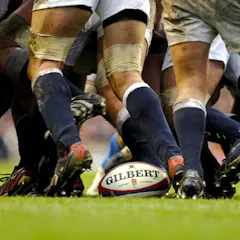
The collection of athlete data in professional sport has outpaced legal requirements and scientifically-proven benefit to athletes.
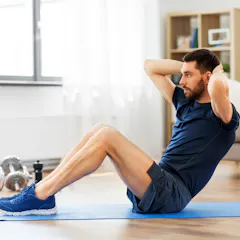
Many people have been moving less since the pandemic, and one consequence may be a reduction in core strength. But there are a variety of exercises you can do to focus on improving your core.
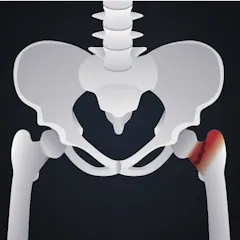
Every year, about 70 per cent of long-term care residents have at least one fall, and half of those result in injury. Wearable gear and changes to living spaces aim to prevent falls and limit injury.
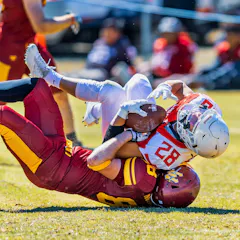
Every year, about 10 per cent of youth athletes experience a concussion. Research shows there are steps we can take to help prevent these injuries, but we can’t be afraid to make changes.
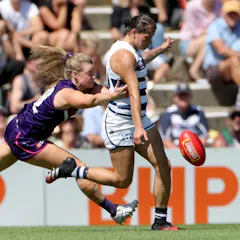
Running, jumping, tackling, not to mention handling the ball, means Aussie Rules players risk injuries to their hands and wrists serious enough to send them to the emergency department.

Genetic testing could help us build targeted and effective training routines for athletes, but the emerging science could also introduce opportunity for discrimination in the sporting world.

It’s easy to get caught up in World Cup fever. But if watching the beautiful game inspires you to get out and play, injury prevention is vital.
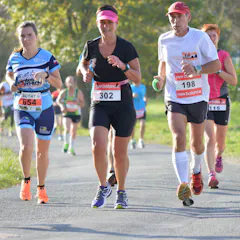
Do you land on your heel or forefoot when running? Listening to your technique might give you a clue and reduce your chances of injury.
Top contributors
-

Associate Professor and Principal Fellow in Urban Risk and Resilience, The University of Melbourne
-
Post-Doctoral Fellow, Sport Injury Prevention Research Centre, University of Calgary
-
Senior Lecturer (Physiotherapy), Curtin University
-
Professor of Strength and Conditioning, Edith Cowan University
-
Senior Lecturer, Institute of Health and Wellbeing, Federation University Australia
-
Associate Professor of Law and Technology; Director, UWA Tech & Policy Lab, Law School, The University of Western Australia
-
Associate Professor in Biomedical Physiology and Kinesiology, Simon Fraser University
-
Injury epidemiologist | Health Data Scientist | Expert Witness, UNSW
-
Emergency Paediatrician and Director QISU, The University of Queensland
-
NHMRC Research Fellow, School of Population Health and Co-founder UNSW Beach Safety Research Group, UNSW
-
Alumni Distinguished Professor of Psychology and Director of the Center for Applied Behavior Systems, Virginia Tech
-
Lecturer, Department of Occupational Therapy, Monash University
-
Professor of Communication, The Ohio State University
-
Associate Professor, Occupational Therapy, Monash University
-
Postdoctoral Fellow at The Injury and Violence Prevention Program, Virginia Commonwealth University