
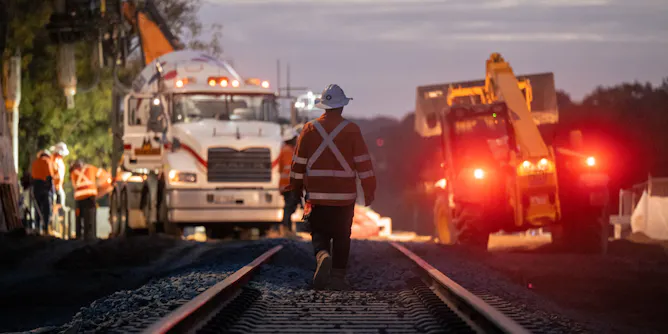
From Snowy Hydro to Inland Rail, projects get announced early, then costs soar tens of billions higher. Yet there are proven ways to stop that happening.
Articles on Infrastructure Australia
Displaying all articles
Until now we’ve paid lip service to rigorous assessment of big projects, and it’s hard to do more than that when they are inherently political.
Politicians have committed billions to projects without knowing if those projects are in the community’s interest.
The major parties are promising tens of billions of dollars in transport spending, but only a handful of projects are on Infrastructure Australia’s national priority list with approved business cases.
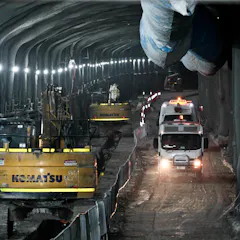
Analysis of the business cases for three of the biggest projects deemed “high priority” by Infrastructure Australia raises questions about the process.

Estimated cost savings for rail and bus franchising from Infrastructure Australia and PwC will have government treasurers salivating. Problem is, the figures are almost certainly far too high.
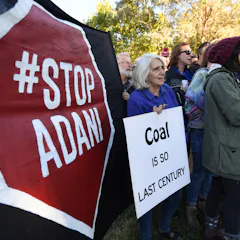
If infrastructure is to meet the needs and challenges of an uncertain future, we need to move beyond the AAA ratings mindset and aim for net-positive social and ecological outcomes as well.

Reckless government investment decisions are sadly the norm when it comes to transport infrastructure. Three key checks on the decision-making process can help ensure taxpayers get value for money.
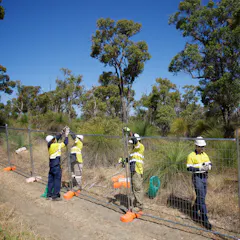
Perth’s Roe 8 project illustrates all that is wrong with how we are planning and managing infrastructure in our cities.
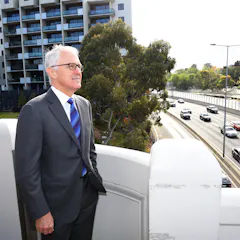
Ducking hard choices means avoiding change that could make a real improvement to the effectiveness of Australia’s infrastructure.
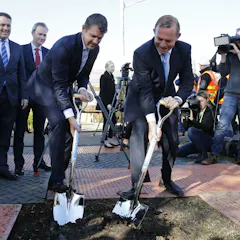
Our infrastructure systems should promise what is worth having, and then deliver what is promised.
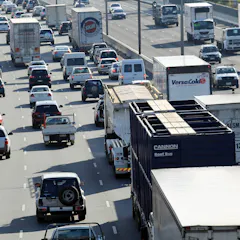
Most enlightened governments have realised the focus on private cars at the expense of active and public transport is not viable.

Bigger cities increase wages, output and innovation, but also problems of congestion and pollution. Congestion charges can minimise these problems by dramatically improving traffic flows.
The Coalition, Labor, and the Greens are making substantial commitments to projects that not only lack proper business cases, but are not even on the Infrastructure Australia priority list at all.
The Turnbull government’s cities policy is the latest incarnation of ‘the-Commonwealth-knows-best’ approach, with little regard for whether urban issues are best resolved at the metropolitan level.
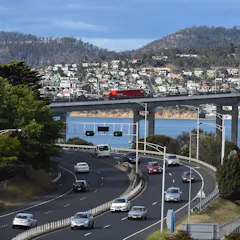
How can we tell whether we have an infrastructure deficit? And if we do, how big is it?
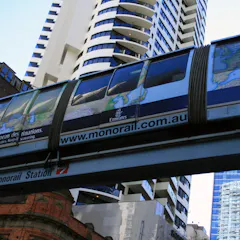
Infrastructure Australia’s latest report is substantial but, critically, it fails to incorporate the transport thinking needed to develop more compact cities that work better for everyone.
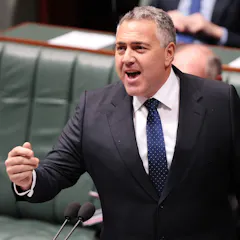
UPDATE: This piece originally said the Asset Recycling Initiative had been passed by the Senate. Subsequent to publication, the amended legislation was rejected by the House of Representatives. The piece…
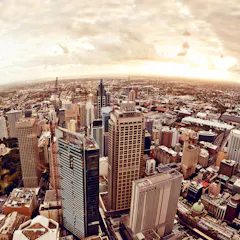
The 2014 Budget has been variously celebrated and reviled as a “budget for corporate Australia”. But this assessment is based on the premise that corporate tax cuts and infrastructure spending will provide…
Treasurer Joe Hockey has spent much of the year – certainly since the G20 finance ministers’ conference in Sydney – talking up “capital recycling”. The idea sounds promising: new projects can be built…
Top contributors
-

Transport and Cities Program Director, Grattan Institute
-
Associate Professor of Urban Planning, The University of Melbourne
-
Adjunct Professor, Institute of Transport and Logistics Studies, University of Sydney Business School, University of Sydney
-
Associate, Grattan Institute
-
Transport Fellow, Grattan Institute
-
Professor of Sustainability, Curtin University
-
Emeritus Professor of Innovation, University of Technology Sydney
-
Chair, Smart Cities Research Institute, Swinburne University of Technology
-
Associate Professor of Economics, Research School of Economics; Research School of Management, Australian National University
-
Honorary Director, Centre for Infrastructure Research, University of Auckland, Waipapa Taumata Rau
-
Program Director, Housing and Economic Security, Grattan Institute
-
University Associate, School of Economics and Finance, University of Tasmania
-
Professor of Urban Planning, The University of Melbourne
-
Professor of Urban Policy and Director, Urban Futures Enabling Impact Platform, RMIT University
-
Professor and Director, Institute of Transport and Logistics Studies, University of Sydney