
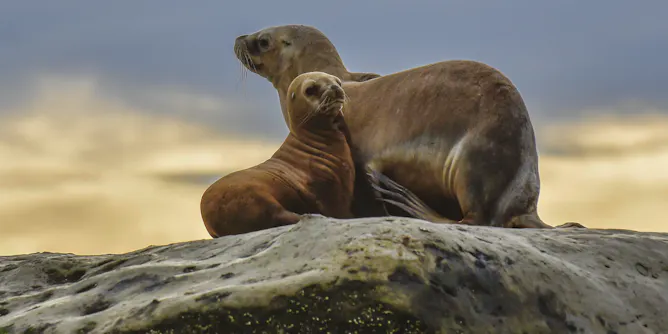
An expert explains why the H5N1 strain is such a threat to seals worldwide.
Articles on Infectious disease research
Displaying 1 - 20 of 25 articles
The Epidemic Intelligence Service has been a crucial tool in fighting diseases at home and abroad. Its impact would be impossible to replace.
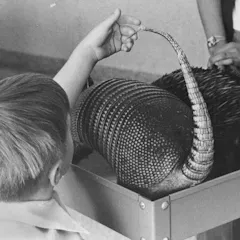
Museum archives hold biological specimens that have been collected over years or even decades. Modern molecular analysis of these collections can reveal information about pathogens and their spread.
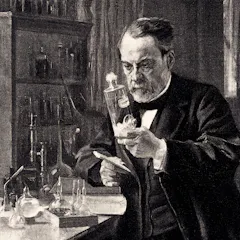
On World Rabies Day – which is also the anniversary of French microbiologist Louis Pasteur’s death – a virologist reflects on the achievements of this visionary scientist.

Evidence is growing there are changes to your immune system that may put you at risk of other infectious diseases.
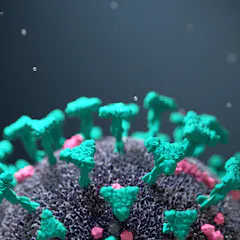
Our ability to use mathematical modelling is accelerating breakthrough discoveries in health care and biotechnology.

Two years ago, the Recovery trial transformed COVID treatments around the world with a landmark finding that may have saved a million lives in just nine months
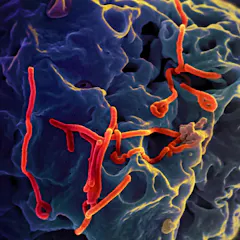
Although treatments for Ebola have helped many people overcome this deadly disease, the virus can persist in the brain and cause a lethal relapse.

The microbiologist who directs the National Emerging Infectious Diseases Laboratories at Boston University explains all the biosafety precautions in place that help him feel safer in the lab than out.
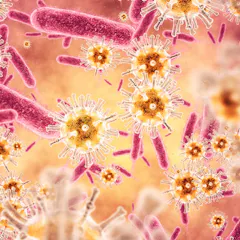
Scientists get up close and personal with deadly pathogens to give doctors the tools they need to treat people sickened by germs. The key is keeping the researchers – and everyone around them – safe.
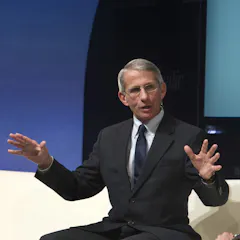
Fauci turns 80 this Dec. 24 – and he’s been on the national stage for decades. Here’s more about his work before COVID-19 and why he was perfectly poised to help the US respond to the pandemic.
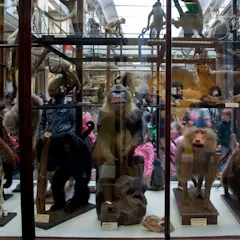
Genetic information that could help finger the next infectious threat is stored in museums around the world.

Winter is flu season – could it be coronavirus season as well? The research is mixed, but other factors besides temperature and humidity have more to do with the spread of SARS-CoV-2.
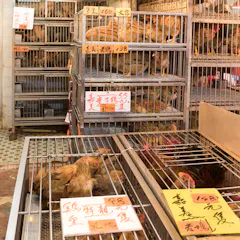
In the real world, new diseases emerge from complex environments. To learn more about how, scientists set up whole artificial ecosystems in the lab, instead of focusing on just one factor at a time.

Recent discoveries on the effects of live attenuated vaccines challenge the current vaccine paradigm and question vaccination policies.
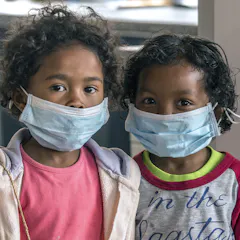
Where do plague bacteria go between outbreaks? Research demonstrates that they can survive and replicate inside amoebae that are widely present in soil and water worldwide.
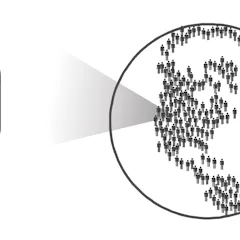
New genetic technologies are letting us look at flu evolution right where it starts: within individual people, while they’re sick.
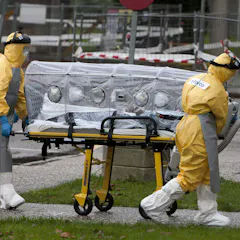
Professor Peter Doherty on infectious disease pandemics
The Conversation, CC BY-ND47.6 MB (download)
William Isdale speaks with the University of Melbourne's Professor Peter Doherty about infectious disease pandemics.
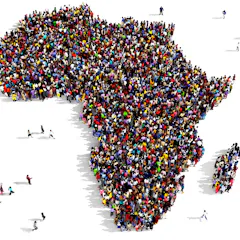
Cracking genetic responses to the changing environment in Africa would open a new frontier in the drive against rising non-communicable diseases on the continent.
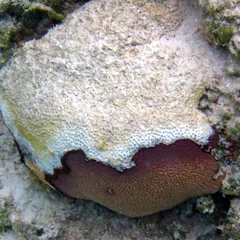
Infectious diseases are a normal part of ocean ecosystems, just as they are on land. But climate change is altering the oceans in ways that could make marine diseases spread farther and faster.
Top contributors
-

Principal Scientist and Canada Research Chair in Zoonotic Virus and Animal Reservoirs at the Vaccine and Infectious Disease Organization and Co-Lead of One Health at the University of Saskatchewan, University of Saskatchewan
-
Lecturer in Aquaculture and Fisheries, Swansea University
-
Professor of Immunology and Infection, Edinburgh Napier University
-
Director of the Sydney Brenner Institute for Molecular Bioscience, Professor in the Division of Human Genetics, University of the Witwatersrand
-
Senior Lecturer in Communicable Disease Epidemiology, University of Sydney
-
PhD Candidate, Colorado State University
-
Laureate Professor Emeritus, The Peter Doherty Institute for Infection and Immunity
-
Doctoral Student in Genome Sciences, University of Washington
-
MSc Candidate in Veterinary Microbiology, University of Saskatchewan
-
Infectious Diseases Lead, King's Sierra Leone Partnership, King's College London
-
Associate Member, Fred Hutchinson Cancer Research Center and Affiliate Associate Professor of Genome Sciences and Microbiology, University of Washington
-
Associate Professor in Applied Mathematics, The University of Melbourne
-
Professor of Biology and Curator, Division of Mammals, Museum of Southwestern Biology, University of New Mexico
-
Distinguished Professor and Curator, Florida Museum of Natural History, University of Florida
-
Adjunct Fellow, T.C. Beirne School of Law, The University of Queensland