

Whooping cough is making a comeback. Here’s how to identify it, and why vaccination is a way to protect babies.
Articles on Infection
Displaying 121 - 140 of 153 articles
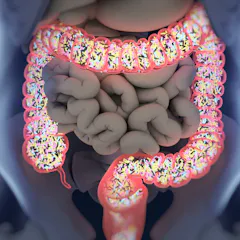
Research using massive databases – such as the Danish Psychiatric Central Research Register – is enabling a whole new understanding of the links between life history, the gut and mental health.

Instability in the DRC and Ebola’s deadly properties is making it hard to contain the virus.

A study that more NHS managers actually lowered rates of infection and led to some improvement in patient satisfaction.

It’s hard to predict how long it will take to feel better after you start taking antibiotics. But if you start feeling worse one to two days after starting the therapy, you must see your doctor.

Millions of bacteria live on our skin without making us sick. It’s when they manage to get through that they can be dangerous – particularly if they’re resistant to antibiotics.
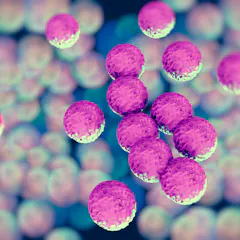
Antibiotic resistance is a major and growing global health threat. These five recent examples show us how dangerous it can be.

Sepsis can maim or kill within hours. Here’s how to identify the condition.

The nematode that can turn slugs into zombies.

New research uses pathology in dinosaur bones to look at predator-prey interactions in the fossil record.

Middle ear infections (otitis media) are a common and often painful condition that
most children will experience at least once in their first year.
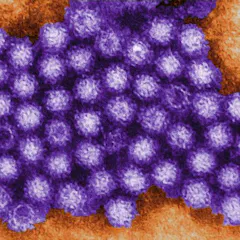
There’s a norovirus outbreak at the Winter Olympics. Here’s what that means – and why it’s so hard to stop.

From face-touching to virus-contaminated electronic devices, a scientist offers some tips on eradicating the flu virus from your home.
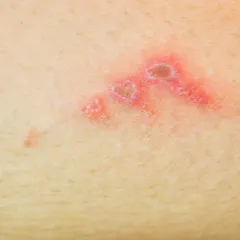
School sores usually clear up within a few weeks, without any scarring. Here’s what to do if you suspect your child has them.

Antimicrobial stewardship is proving effective, but we’re not fully across what is happening.

Scientific studies show that bats may carry “coronoviruses” causing SARS and MERS - without showing symptoms of disease. Could the bat immune system be key to human survival in future pandemics?

Tularemia is an animal disease that can be transmitted to humans. While it can be fatal, it is rare in Australia and can be treated with antibiotics.
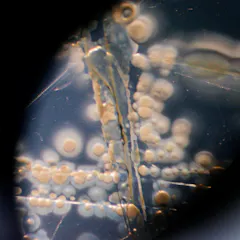
We need a concentrated and coordinated effort by government and scientists if we’re to stave off the threat of antimicrobial resistant bacteria.
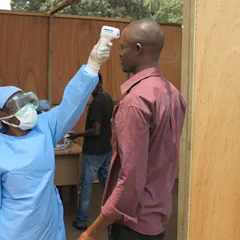
One year after the end of the West African Ebola epidemic, a study of survivors in Guinea shows what has been learned about the deadly virus, and what remains unknown.

The US Centers for Disease Control has reported a woman in her 70s has died of overwhelming sepsis caused by a bacterium that was resistant to all available antibiotics.
Top contributors
-

Professor of Global Biosecurity, NHMRC L3 Research Fellow, Head, Biosecurity Program, Kirby Institute, UNSW
-
Professor of Emergency Medicine, University of New Mexico
-
Research Assistant Professor of Immunology, Tufts University
-
Professor of Nursing and Health Services Research, University of Newcastle
-
Professor of Microbiology and Immunology, Indiana University
-
Senior Lecturer, Infectious Diseases Epidemiology and Control, UNSW
-
Instructor of Human Immunology, Emory University
-
Clinical Assistant Professor of Immunology, University of South Carolina
-
Paediatrician and Infectious Diseases Specialist; Clinical Researcher, University of Sydney
-
Researcher, Griffith Institute for Drug Discovery, Griffith University
-
Adjunct Senior Research Fellow in Early Childhood Development, The University of Western Australia
-
Academic Specialist, Indigenous Eye Health Unit, The University of Melbourne
-
Academic Specialist, The University of Melbourne
-
Senior lecturer, UCL
-
Emeritus Fellow, University of Westminster