
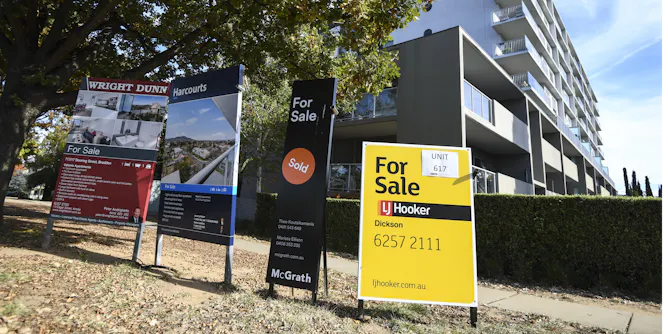
The Bank of International Settlements says technology and globalisation are the main causes of increasing inequality.
Articles on Inequity
Displaying 41 - 60 of 61 articles
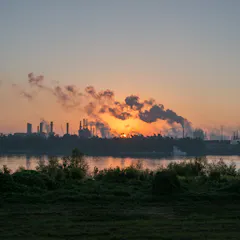
The US environmental justice movement dates back to the early 1980s, but federal support for it has been weak and inconsistent. Here are four things Biden’s EPA can do to improve that record.
Layoffs and pay freezes next year would hurt in-class instruction and student progress when it’s most needed.
Kindergarten enrollment dropped 16% this year, according to an NPR survey of 60 school districts across 20 states.

Canadian governments are failing to treat future citizens fairly by saddling them with huge debt. What policies should Canadian governments enact that offer greater fairness to future generations?

Unfairness alone is upsetting enough to drive people to punish lucky recipients of unfair outcomes.
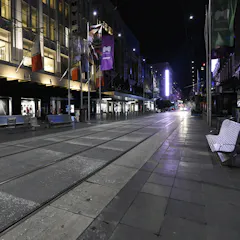
While the focus has been on containing ‘hot spots’ of COVID-19 outbreaks, understanding why some areas have few or no cases could point the way to a staged reopening that starts with these areas.

Not everyone has a job they can do from home. Mapping the patterns of occupations across Melbourne’s suburbs against COVID-19 cases strongly suggests why some parts of the city are more vulnerable.
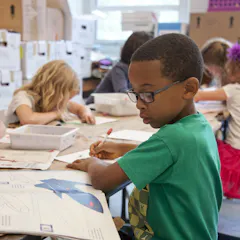
If Ontario’s de-streaming of high schools isn’t accompanied with other efforts to address cultural norms and values, streaming in many other forms and guises will continue.

The coronavirus feeds off of social and environmental injustice, exacerbating the wounds, scars and illnesses that existed prior to the pandemic. That’s why returning to ‘normal’ is not an option.
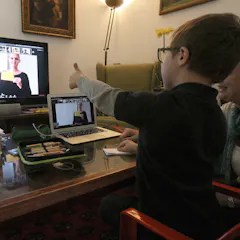
These are difficult and dire times, but holding on to the myth of childhood innocence won’t make this crisis any easier.
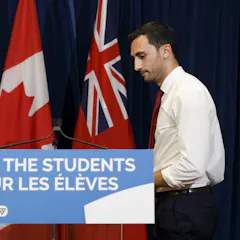
Frustration at intergenerational inequity captures the views of many contemporary education worker activists and environmentalists alike.

School fundraising, while often heralded for increasing parent engagement and providing much-needed school resources, may come at the expense of creating of equitable and inclusive public schools.

Around half of homes in three major Australian cities only have access to very old technology: hybrid fibre-coaxial (HFC). For them, access to the NBN fibre network remains only a fairy tale.
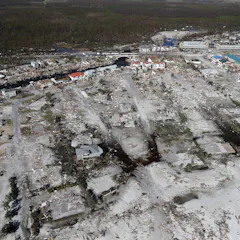
Government agencies spend millions of dollars yearly to buy and demolish homes sited in floodplains. But the program is slow, cumbersome and doesn’t always help those who need it most.

Tasmania’s digital inclusion increased dramatically and more than the national average from 2017 to 2018. This change is underpinned by a doubling of access to NBN in Tasmania in that period.
From the 20th-century process of policy trial and error, the nations that married the strengths of markets and government came out ahead.
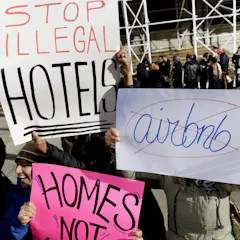
The patterns of Airbnb listings in Australia’s biggest cities suggest impacts on rental housing are likely to be biggest in high-end areas that appeal to tourists. Low-income areas are less affected.

Mass incarceration harms the health of prisoners, their families and the people who work in detention centers.
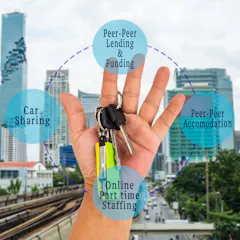
In cities dominated by globalised market forces, how can we achieve social equity and justice? For any sharing economy idea, we need to ask what will it do to fix the big problems confronting us all.
Top contributors
-

Professor in Urbanism and Infrastructure, ARC Future Fellow, University of Sydney
-
Professor of Earth Sciences and Executive Director, Environmental Resilience Institute, Indiana University
-
Adjunct Research Fellow, Griffith University
-
Research Fellow, Centre for Social Impact, Swinburne University of Technology
-
Distinguished Professor of Media and Communications; Director, ARC Centre of Excellence for Automated Decision-Making and Society, RMIT University
-
Professor of Economics and Director, Tax and Transfer Policy Institute, Crawford School of Public Policy, Australian National University
-
Professor of Disasters and Health, UCL
-
Associate professor, University of Sydney
-
Associate Deputy Vice Chancellor in Research & Innovation, RMIT University
-
Assistant Professor, Disaster Research Center, University of Delaware
-
Professor of Psychiatry and Medical Ethics, Baylor College of Medicine, Harvard University
-
Reader of Public Policy, University of Warwick
-
Associate Professor of Hip-Hop, University of Virginia
-
Assistant Professor, Faculty of Education, Brock University
-
Senior Research Fellow, New Zealand Policy Research Institute, Auckland University of Technology