
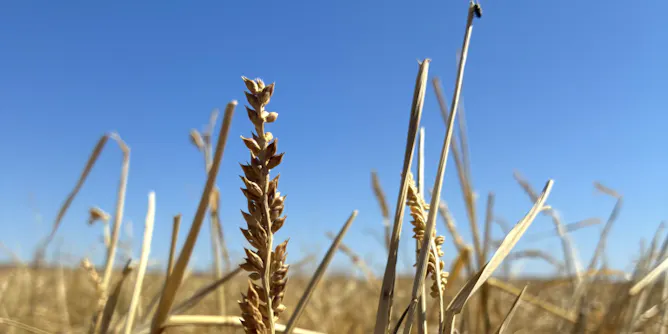
Natural selection may not be the only force that has contributed to the evolution of channel millet’s unusual genetics.
Articles on indigenous food
Displaying 1 - 20 of 23 articles

Western ideas of sustainability imposed on Indigenous cultures and food risk stifling what is unique and sustainable.
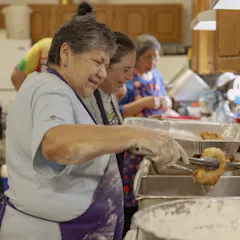
Frybread — a simple, versatile “comfort food” for many Indigenous communities — embodies the contradictions that have dictated Indigenous food and health in North America since colonization.

For a decade, debate has raged over Dark Emu’s account of Aboriginal agriculture. But ancient food production in Australia is more complex than labels like farming or hunter-gathering suggest.
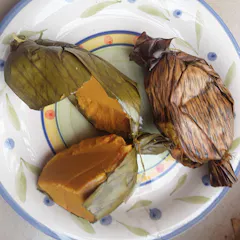
Using leaves for local food packaging is beneficial for health and the environment.
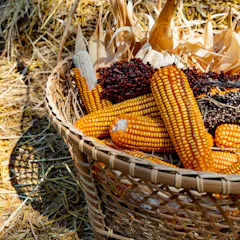
A lack of data prevents governments and agri-food organizations from knowing what kinds of supports should be provided to reinvigorate Indigenous agricultural economies.
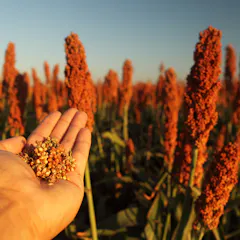
Known as ting or amazimba, indigenous sorghum is resilient and rich in cultural and health benefits – yet crops are declining.
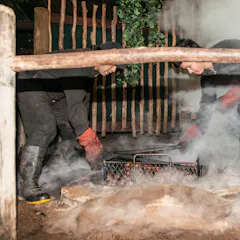
Many Indigenous people in Australia and Aotearoa New Zealand are lacking food security due to public health orders preventing them from traditional food sourcing.
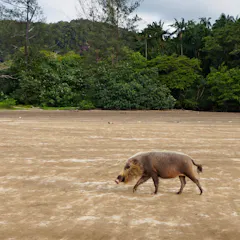
The changing dynamic between Borneo’s pigs and Indigenous people is a powerful reminder of the fragility of the human-nature connection.

A new book by an eminent anthropologist and archaeologist mounts a rigorous critique of Dark Emu, repudiating notions of ‘primitive’ hunter-gatherers.
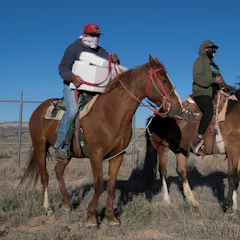
Indigenous people in the US have high rates of food insecurity and dietary-related health problems. Any attempts to address the problem must start with land justice, argues a scholar of Native health and food.
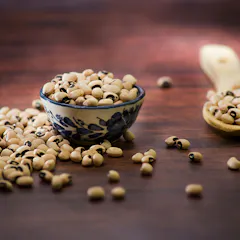
Indigenous foods such as cowpeas can improve people’s nutrition and help them cope with the hunger brought about by the effects of COVID-19 on foreign food imports.
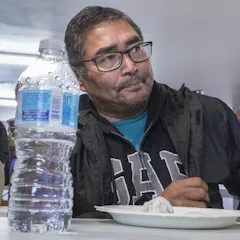
A tax on sugar-sweetened beverages may be intended to improve health, but for Indigenous consumers, such a tax would be unethical, contravene tax law and undermine Indigenous rights.
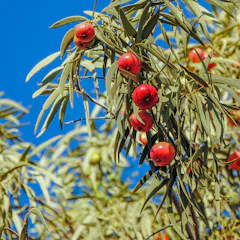
Our medicine, cosmetics and other everyday products contain compounds taken from nature. But Traditional Owners may not have given permission for the materials or their knowledge to be used.

The Zapotec people of southern Mexico have always relied on each other to solve problems when the government can’t, or won’t, help. That’s proving to be a pretty effective pandemic response.
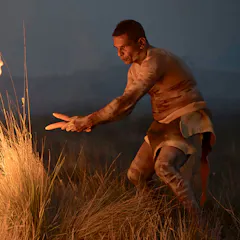
Indigenous people used small fires skilfully to prevent larger bushfires. In this time of crisis, we must learn from them.
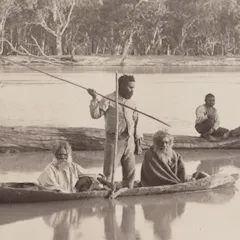
As the health of the Murray Darling Basin is in decline, fish ear bones recovered from ancient Aboriginal camp sites can provide vital data about river health in the past.

Pioneering chefs from Bolivia to Brazil are stepping out of the kitchen and into public service. The ‘social gastronomy’ movement uses food to create jobs, prevent violence and boost economies.

The Indigenous in New Zealand have fared better than First Nations in Canada in terms of self-determination. Why? It’s about a lot more than geography, land mass and language.

In contrast to perceptions of other homeless people sleeping rough, Darwin’s “long-grassers” are applying a long cultural tradition to deal with the situation in which they find themselves.
Top contributors
-

Director, Queensland Alliance for Agriculture and Food Innovation, The University of Queensland
-
Researcher at the University of Pretoria, University of Pretoria
-
Professor of Archaeology and Biological Anthropology, School of Social Science, The University of Queensland
-
Research Fellow, Charles Darwin University
-
Traditional Owner, Indigenous Knowledge
-
Adjunct Lecturer, Archaeology, Flinders University
-
Senior Heritage Consultant at Niche Environment and Heritage and Adjunct Researcher, Southern Cross University
-
Honorary Associate Professor in the School of Literature, Languages, and Linguistics, Australian National University
-
Senior Lecture in Archaeology, The University of Queensland
-
Curator, Australian National University
-
Researcher and Lecturer in Conservation Science, The University of Queensland
-
Assistant Professor of Nutritional Epidemiology, University of Manitoba
-
Professor, College of Agriculture and Bioresources, University of Saskatchewan
-
Research Associate, University of Nigeria
-
Adjunct Professor, Stout Research Centre, Victoria University of Wellington and Auckland University of Technology, Professor of Political Science, Charles Sturt University