
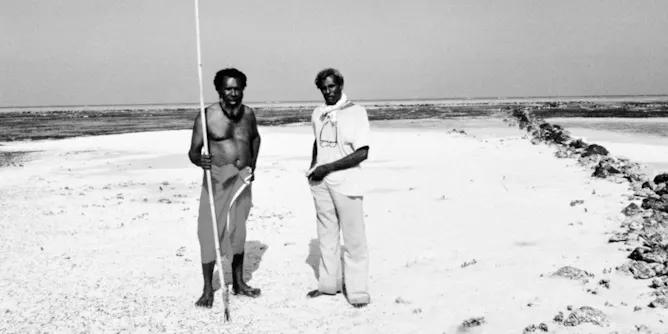
The Mabo decision changed Australia’s concept of land ownership. It was a divisive yet important step toward recognising Indigenous rights and establishing native title.
Articles on Indigenous affairs
Displaying 41 - 60 of 115 articles
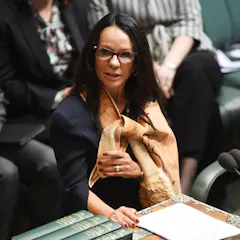
Guaranteed representation reduces the distance between policymakers and the people for whom policy is made.
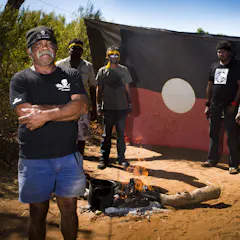
Relations between Indigenous peoples and environmentalists can be productive for both parties, but they will always be unstable.
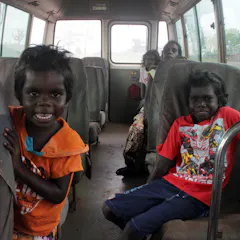
The report focus on the government’s own policies fails to acknowledge genuine differences of opinion on key issues such as constitutional recognition and income management.
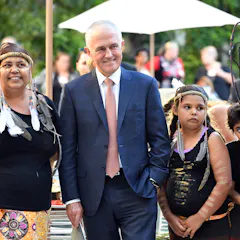
Kevin Rudd called for more to be done to halt the increasing number of Indigenous children being removed from their families.
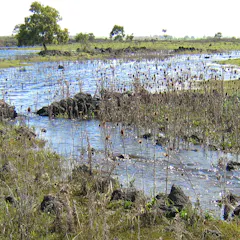
In the 1840s, the eel traps of Budj Bim were described as the work of ‘civilized men’. But it took another 135 years for more appreciative European eyes to examine the complexity of western Victoria’s Aboriginal fishery.
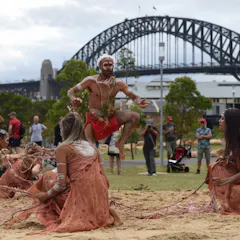
Protesting about Australia Day is a smokescreen to obscure the real problems that many Aboriginal Australians face today.
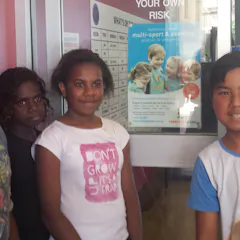
How might an Aboriginal person in the Northern Territory experience racism? There are many material signs that can make a person feel excluded from society.
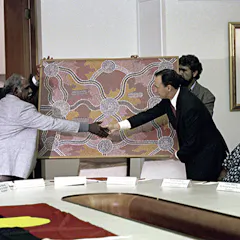
Cabinet papers reveal the extent to which the Keating government was torn between concern for fiscal responsibility and a desire to tackle Indigenous disadvantage and pursue meaningful reconciliation.
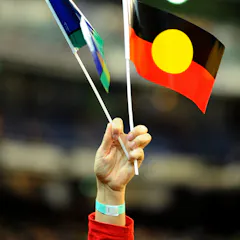
No treaty between Indigenous and non-Indigenous Australians has ever been recognised, but developments at the state level suggest this may soon change.

Has the Coalition government cut $35 million from frontline legal services for victims of domestic and family violence?
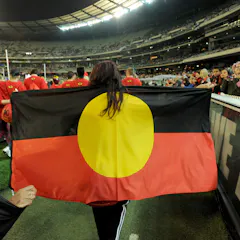
Violence against women is a national priority, and Aboriginal women are disproportionately affected. This must be reported on appropriately in the media.
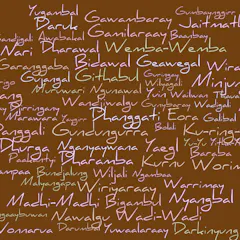
The government’s plan to prioritise the revival of Indigenous languages in New South Wales is a welcome first step. Truly achieving it will take several more.

New reports show a widespread lack of care for the cultural needs of many of the 19,000 Aboriginal and Torres Strait Islander children in child protection and out-of-home care.
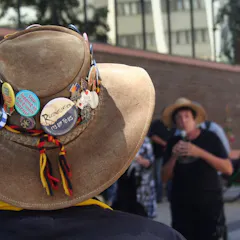
There is a deep connection between past and present in Indigenous affairs in Australia.
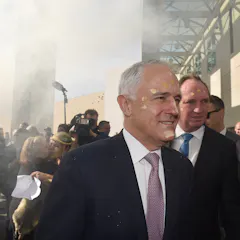
For many, relations between Indigenous Australians and the government are best described as being in a state of crisis.
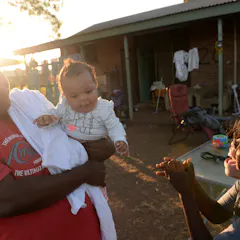
A new report highlights how little we know about what works and what doesn’t when it comes to publicly-funded Indigenous programs. It’s a similar story in other policy areas – but we can do better.
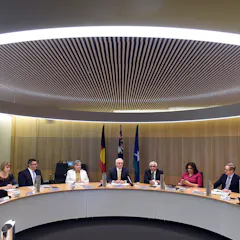
The longer the process of recognising Indigenous Australians in the Constitution goes on, the more debate is likely to split and fracture.
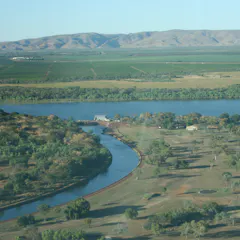
Ever since British settlement, water rights in Australia’s north have favoured landowners over traditional owners, effectively locking Aboriginal people out of agricultural development.
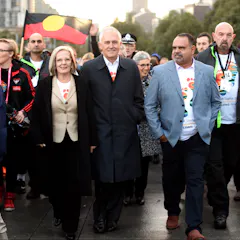
If we are to have a mature and sensible debate on Indigenous recognition, we must be more willing to embrace difficult issues and diverse perspectives.
Top contributors
-

Professorial Fellow, University of Canberra
-
Senior Lecturer in Social Research and Policy, UNSW
-
Associate Professor, Faculty of Law & Justice, UNSW
-
Associate Professor, Macquarie University
-
Senior Lecturer In Public Policy, School of Social and Political Sciences, The University of Melbourne
-
Chancellor, University of Canberra
-
ARC DECRA Fellow, Australian National University
-
Professorial Fellow, Jumbunna IHL, University of Technology Sydney
-
Executive Director, The University of Melbourne
-
Professor Emerita of Criminology, UNSW
-
Senior Research Fellow, Deakin University
-
PhD Candidate in Social Work and Criminology, UNSW
-
Senior Lecturer (Geographic Information Systems), Fenner School of Environment and Society, Australian National University
-
Advisor, Author and Researcher, The University of Queensland
-
Assistant researcher, University of Sydney