

Is it time to cut the men in your life some slack this winter? Here’s what the evidence says.
Articles on Immunology
Displaying 21 - 40 of 123 articles

Even if you’re healthy and fit, you still need vaccines to protect yourself from severe disease.

Asthma attacks can result from immune cells overreacting to a harmless allergen. Tamping down iron levels in certain immune cells can help control their activity.
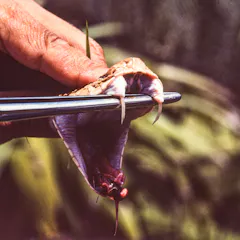
By reporting this new way that future antivenoms can fail, the research has highlighted a problem with current antivenom testing recommendations.
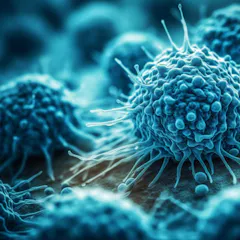
When faced with a threat, T cells have the decision-making flexibility to both clear out the pathogen now and ready themselves for a future encounter.

Your immune system is often able to fend off pathogens it’s never seen before. But defending your body against all of them all at once is a tough challenge.
The COVID-19 pandemic demonstrated the promise of using mRNA as medicine. But before mRNA drugs can go beyond vaccines, researchers need to identify the right diseases to treat.

Viruses can get into cells in several ways. Figuring out how to stop them from entering in the first place is a key to developing better vaccines and stopping future pandemics.
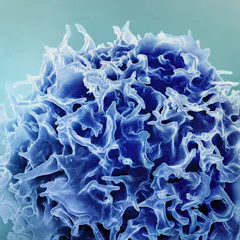
Dietary supplements claim to be able to ‘boost your immune system’ to combat disease. But attaining immune balance through a healthy lifestyle and vaccination is a safer bet to keep in good health.

Itch-sensing neurons in your skin are intertwined with your immune cells. Counterintuitively, the molecule that connects them triggers responses that both worsen and improve skin conditions.
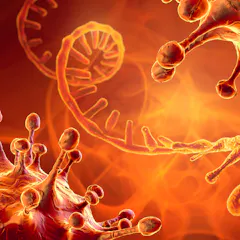
The human body has been making antivirals for eons, long before scientists did. A protein in your cells called viperin produces molecules that work similarly to the COVID-19 antiviral remdesivir.
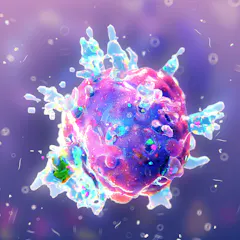
Your cells die to keep you alive. Cell death does everything from fighting cancer cells and pathogens to forming your fingers and toes.

The heat and chills that come with fever are not only uncomfortable but also metabolically costly. Increased body temperature, however, can make all the difference when you’re sick.

How are people with long COVID faring two years after their initial infection? Many have recovered. Some still struggle with symptoms – this is more likely for those who were initially hospitalised.
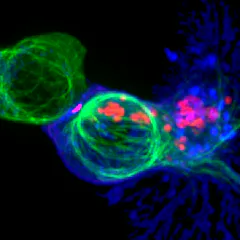
T cells recognize and kill cancer cells but quickly lose their effectiveness. This fast dysfunction may help explain why immunotherapy doesn’t lead to long-term remission for many patients.

We know from other viruses that viral fragments can remain in different tissues for months or even years. This could be the case for long COVID.
Cancer vaccines are an emerging personalised treatment for cancer. Using the same mRNA technology as COVID vaccines, they stimulate the immune system to destroy cancer cells.

Why are Australian black swans so quick to die from bird flu? A new genome study comparing them to their bird brethren helps to unravel the mystery.
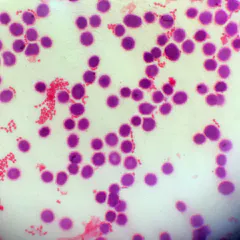
An overactive immune response to infection can be deadly. Studying how one key player called tumor necrosis factor, or TNF, induces lethal immune responses could provide new treatment targets.

An effective nasal vaccine could stop the virus that causes COVID-19 right at its point of entry. But devising one that works has been a challenge for researchers.
Top contributors
-

Professor, School of Biomedical Sciences and Pharmacy, University of Newcastle
-
Research Fellow, Institute for Molecular Bioscience, The University of Queensland
-
Program Director, Infectious Diseases and Immunology, Menzies Health Institute, Griffith University
-
Instructor of Human Immunology, Emory University
-
Associate Professor of Immunology and Microbiology, University of Colorado Anschutz
-
Distinguished Professor, Professor of Immunology, RMIT University
-
Ph.D. Student in Microbiology and Immunology, Vanderbilt Vaccine Center, Vanderbilt University
-
Clinical Research Fellow in Viral Immunology and Veterinary Surgeon, University of Cambridge
-
Vice-Chancellor's Research Fellow, School of Health and Biomedical Sciences, RMIT University
-
Associate Professor of Microbiology, Immunology & Pathology, Colorado State University
-
Ph.D. Candidate in Chemical & Physical Biology, Vanderbilt Vaccine Center, Vanderbilt University
-
Professor of Immunology, RMIT University
-
Research Assistant Professor of Immunology, Tufts University
-
Associate Professor of Viral Immunology, Department of Pathobiology, University of Guelph
-
Laboratory Head, The Peter Doherty Institute for Infection and Immunity