

TV adventurer Bear Grylls is famous for his survival hacks. But when it comes to rehydrating by drinking your own pee, was he right?
Articles on Hydration
Displaying 1 - 20 of 31 articles

If you’re often stressed, your water bottle might be part of the solution. New research shows why hydration matters.

Depending on where you live, Ramadan can mean going 12 to 19 hours without eating or drinking anything.
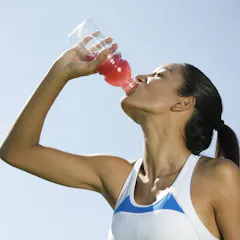
Electrolyte beverages can be a big help for athletes and during flu season – but some may worsen issues such as diarrhea.
Thirst is one of the most basic biological drivers for drinking water. But there are other indicators which can also tell us we may need to drink more.
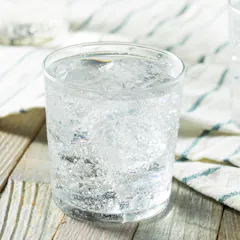
Sparkling water is more acidic than still water. But it’s a myth the bubbles damage your bones or impede digestion.

IV fluids are essential to keep patients hydrated during surgery – but there may be some workarounds.
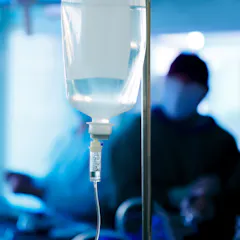
Some IV fluids are in short supply due to higher-than-expected demand and manufacturing issues. But why do IV fluids contain different chemicals? And why can’t they be interchanged when one runs low?

Along with becoming a status symbol, water bottles are now considered an essential item to pack for school.
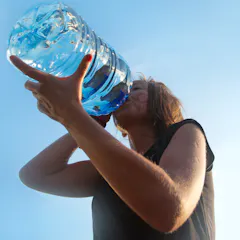
Hydration may be a cornerstone of health, but here’s why your body can sometimes have too much of a good thing.

There are a lot of myths and strongly held beliefs around one of life’s simplest activities – drinking water.
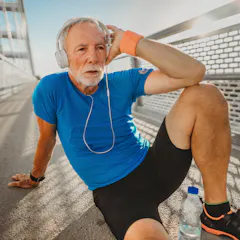
As temperatures rise in the US, so does the incidence of heat-related deaths, including heatstroke.
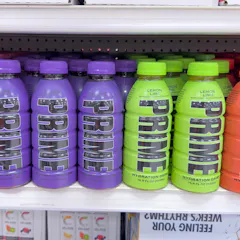
Prime has two offerings: one is marketed as a ‘hydration’ drink, the other as an ‘energy’ drink. But what’s actually in them?
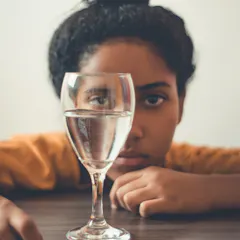
If you don’t consume enough water, you may experience symptoms of dehydration such as headaches, dizziness, tiredness, low concentration, constipation and a dry mouth.
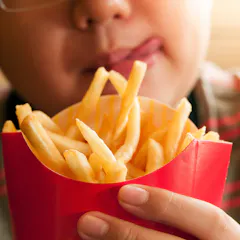
Studies show that most people who are overweight or obese are also chronically dehydrated.
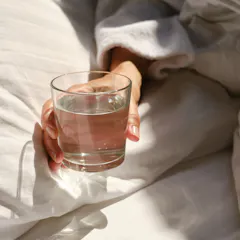
Waking up thirsty might mean you didn’t drink enough the day before, or perhaps you consumed a diuretic such as alcohol.

No, you’re not imagining it. You can pee more in winter. Mostly, there’s nothing to worry about. But it could be a sign of hypothermia.

Drinking more water can make you feel happier – and not drinking enough may contribute to feelings of anxiety and fatigue.
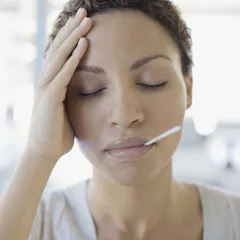
In some cases, fever reducers and extra fluid intake can weaken the body’s response to infection.
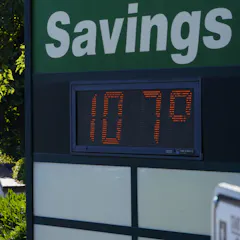
Which is worse, dry heat or wet heat? Both, says an exercise physiologist.
Top contributors
-

Associate Professor of Exercise and Sports Science, Wayne State University
-
Program Director of Nutrition and Food Sciences, Accredited Practising Dietitian, Adelaide University
-
Associate Professor of Science & Medicine, Bond University
-
Professor of Community Health and Wellbeing, The University of Queensland
-
Assistant Professor of Medicine, Bond University
-
Senior Lecturer in Sport Engineering, Nottingham Trent University
-
Associate Professor of Exercise Physiology, Mississippi State University
-
Sport Science Research Fellow, Victoria University
-
Associate Professor and Clinical Academic Gastroenterologist, Western Sydney University
-
Specialist General Practitioner, and Conjoint Senior Lecturer, UNSW
-
Senior Lecturer in Exercise Physiology, Nottingham Trent University
-
Professor in Kinesiology, Canada Research Chair in Extreme Human Environments, Brock University
-
Professor of Medicine, University of Colorado Anschutz
-
Professor of Anatomy, Lancaster University
-
Associate Professor, Sport and Exercise Science, Southern Cross University