
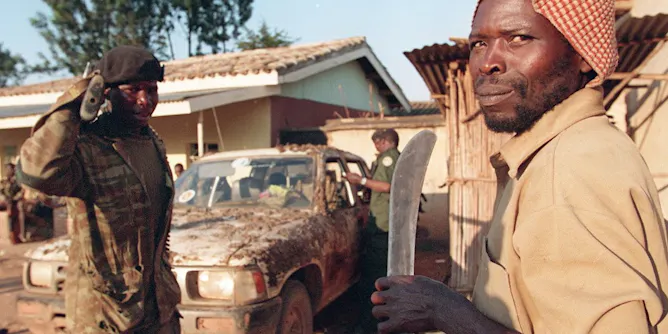
Between 1992 and 1994, the former regime is said to have imported 581 tonnes of machetes into Rwanda. This figure appears to establish that the genocide was planned. But is this number accurate?
Articles on Hutu
Displaying 21 - 32 of 32 articles
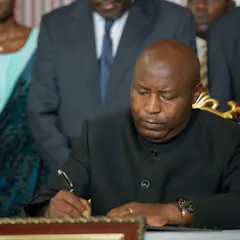
The sudden death of Burundi’s former president, Pierre Nkurunziza, marks the end of a long reign, characterised by violent political crises.
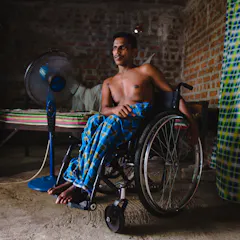
This spring marks the 25th anniversary of the Rwandan genocide and the 10th year since the Tamil genocide in Sri Lanka. The world knows what happened in Rwanda. What about Sri Lanka?
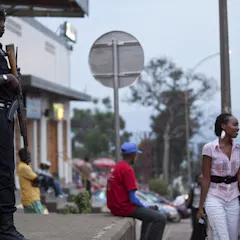
Rwanda has overcome its past to become a development miracle but if it’s not careful, history could repeat itself.
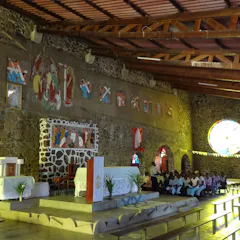
Although many years have passed, the Rwandan genocide still has much to teach us about the centrality of media in cases of state violence.

Throughout the entire period, central political power has been almost absolute.
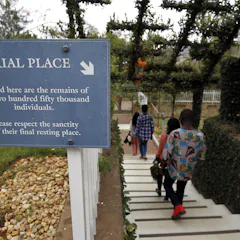
As Rwanda marks the 24th anniversary of the 1994 genocide, much more needs to be done to unite the country.

The genocide memory in Rwanda is diverse and dynamic.
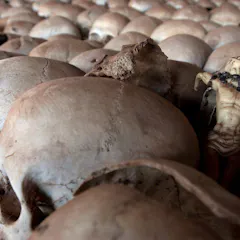
The 1994 Rwandan genocide evokes shame, despair, and revulsion.Yet, the events warrant reflection and remind us about the risks of looking the other way.
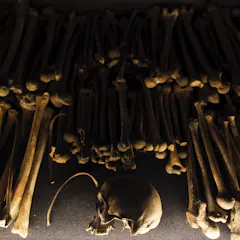
Significant links connect racial science in colonial southern Africa with the holocaust of the European Jews. Colonial racial science also contributed to the 1994 genocide in Rwanda.
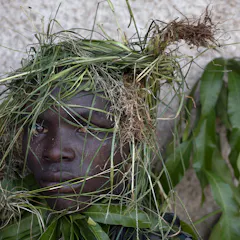
The prospects for reconciliation are bleak. Formal gestures by the government to nudge the opposition parties to join an intra-Burundi dialogue have consistently failed.
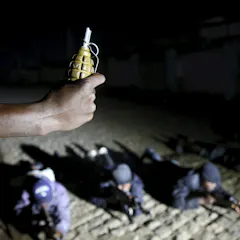
The “quick fix” nature of the Arusha Peace Agreement seems to have come back to haunt Burundi. Ethnic protests threaten to tear the country apart, leading it to the path of a failed state.
Top contributors
-

Postdoctoral Research Associate, King's College London
-
Professeur des universités, Université Paris 1 Panthéon-Sorbonne
-
Visiting Assistant Professor, UMass Lowell
-
Visiting Professor, SIT Graduate Institute
-
Associate researcher, University of Antwerp
-
Lecturer in Political Science, Binghamton University, State University of New York
-
Professor and Canada Research Chair in Children, Families and Armed Conflict, McGill University
-
Associate Professor, University of Antwerp
-
Lecturer, UMass Boston
-
Professor of Media and Information Studies, Western University
-
Associate Professor, University of Windsor
-
Researcher, Stockholm International Peace Research Institute
-
Professor of Political Science and International Relations, Boston University
-
Associate Professor, University of Antwerp
-
Reader in Cultural Geography and Communication, University of Westminster