
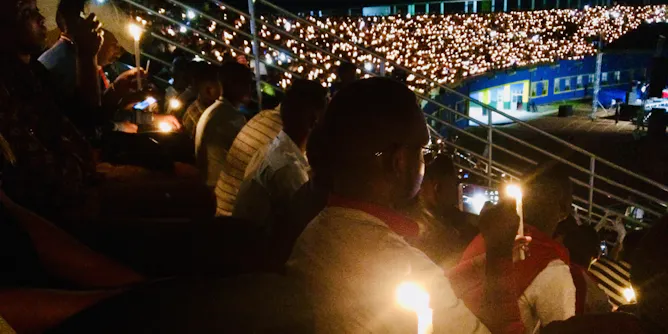
Genocide remembrance practices like Kwibuka remain meaningful to survivors.
Articles on 1994 Genocide against the Tutsis
Displaying all articles

Kagame will need to address regional security threats, which include deteriorating relationships with neighbouring Burundi and DRC.

Rwanda’s majority Hutu have over time reported feeling more represented by a Tutsi-dominated government.
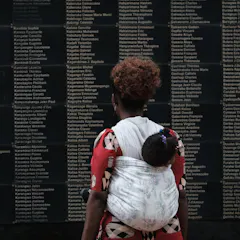
Rwanda is touted as one of the leading nations when it comes to strides toward gender equality. But the role of female ‘rescuers’ in the 1994 genocide is being downplayed.

The 1994 Rwanda genocide has left lasting scars. Children born of sexual violence and mothers have shown immense strength in overcoming their histories of violence.
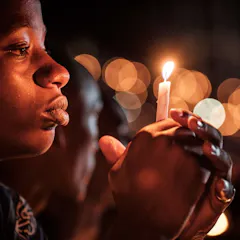
Young people have little desire to bring up their parents’ divisions, but older Rwandans remain fearful of a resurgence of tensions.

Central to the DRC’s politics is a broken relationship between the seat of government in Kinshasa and underrepresented groups in the eastern region.
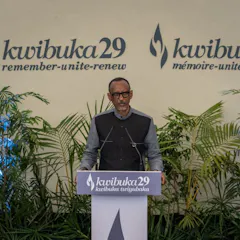
The circumstances, challenges and history of Rwanda are intertwined with Paul Kagame’s own life story.
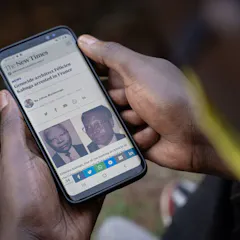
Kabuga’s release raises questions about the international community’s commitment to delivering justice for genocide victims.

With Africa’s solid support and his pro-west military and policy adventures, Kagame is able to take on critics.
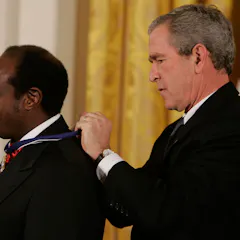
Rusesabagina’s release portrays Rwanda’s president as a pragmatist – one willing to negotiate once a security threat is neutralised.
Top contributors
-

Postdoctoral Research Associate, King's College London
-
Political Scientist, University of the Western Cape
-
Associate researcher, University of Antwerp
-
Associate Professor, University of Antwerp
-
Lecturer in Political Science, Binghamton University, State University of New York
-
Assistant Professor, Vrije Universiteit Amsterdam
-
PhD student of the sociology of mass violence, The Ohio State University
-
Professor and Canada Research Chair in Children, Families and Armed Conflict, McGill University
-
Lecturer, UMass Boston