
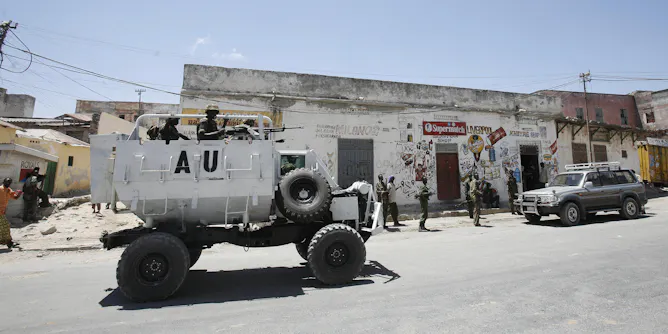
At a time when UN peace operations are declining, African organisations are often the first responders to emerging crises.
Articles on Burundi
Displaying 1 - 20 of 104 articles
There’s more to being a refugee than crossing a border.
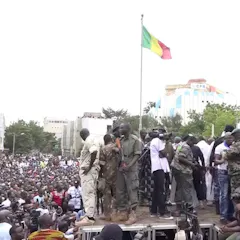
What do Mali’s military rulers and Burundi’s governing party have in common?
Figuring out how climate change will cause plant disease and pests to spread across Africa’s Great Lakes farms is critical for future food supplies.

The East African Community signalled that the bloc was ready to sideline countries that compromise funding.
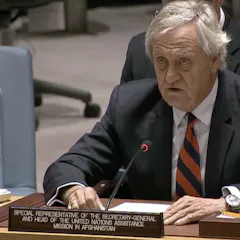
The qualities forged by his intense involvement in the struggle for democratic practices shaped his approach to conflict and strife, wherever it occurred.
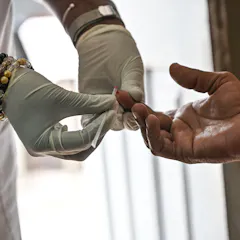
African countries must not sign away their health data or release their pathogens in exchange for donor funding.
Six scholars with experience in 15 countries provide lessons on best practices for documenting atrocities and elevating the voices of victims and survivors.
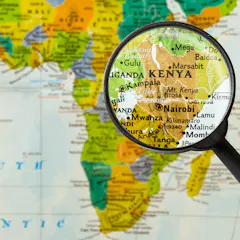
The East African Community has been ambitious in creating a regional common market. This includes making it easy for people to move between countries.
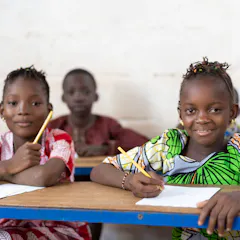
Education policies can be highly effective, but not necessarily for everyone in the same way.

A professor of global health was in Kivu when the fighting began to rage. She recounts what she and her colleagues experienced during those days of terror.
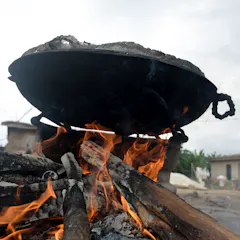
Burundi’s government must balance strict climate regulations alongside promoting voluntary behaviour changes.
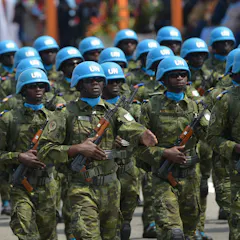
Poorer states, like Rwanda and Burundi, have economic incentives for maintaining peacekeeping armies.

Kagame will need to address regional security threats, which include deteriorating relationships with neighbouring Burundi and DRC.
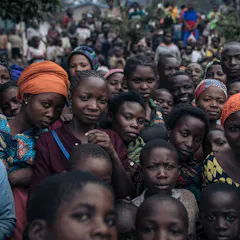
The lead protagonists, Congolese president Felix Tshisekedi and his Rwandan counterpart Paul Kagame, seem unwilling to reconcile. Personal mediation is required.

Kigali wants to be seen as a reliable security provider at home and abroad.
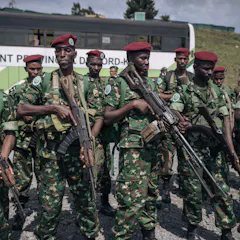
The RED-Tabara armed group operates out of the DRC’s volatile eastern region, which shares a porous 243km border with Burundi.
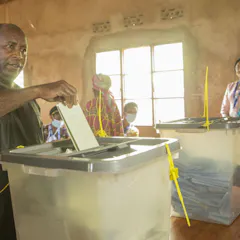
Any state policy looking to increase women’s representation must take into account formal and informal political practices.
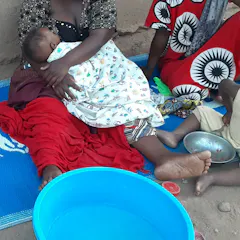
Budget cuts have resulted in increased hunger in camps in Uganda, Burundi and Kenya that house refugees from across the region.

Overall, differences in teachers’ subject knowledge could explain a third of the differences in student learning between the 14 countries.
Top contributors
-

Associate Professor of International Studies, University of Nottingham
-
Professeur des universités, Université Paris 1 Panthéon-Sorbonne
-
Professor, Department of Political Sciences, University of South Africa
-
Senior lecturer, University of Edinburgh
-
Research Affiliate, University of Pretoria
-
Fellow, Nigerian Academy of Science
-
Lecturer in Political Science, Binghamton University, State University of New York
-
Professor of Democracy, University of Birmingham
-
Extraordinary Professor, Department of Political Sciences, University of Pretoria
-
Senior Researcher, The Nordic Africa Institute (NAI), The Nordic Africa Institute
-
Lecturer and Senior Research Fellow at the South African Research Chair in International Law (SARCIL), University of Johannesburg
-
Executive director, Africa Institute of South Africa, Human Sciences Research Council
-
PhD candidate in Political Studies at the Department of Politics and International Relations, University of Johannesburg
-
Professor of World Politics, SOAS, University of London
-
Researcher, United States International University