
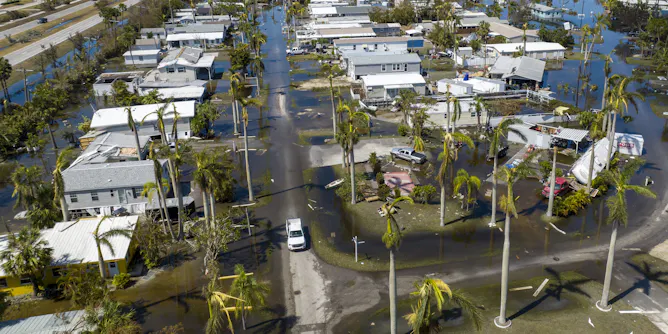
Fast population growth has left more people in flood-prone areas of Gulf Coast communities, including Houston and New Orleans. Often, those residents at most risk are the most socially vulnerable.
Articles on Hurricane
Displaying 21 - 40 of 79 articles
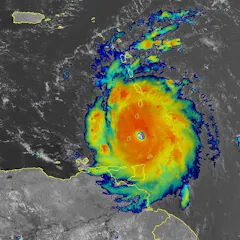
Beryl’s strength and rapid intensification set records, raising alarms about what’s already expected to be a very active Atlantic hurricane season, as a meteorologist explains.
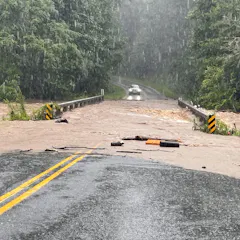
In the mountains, heavy downpours can be devastating, washing out roads and homes and triggering landslides.
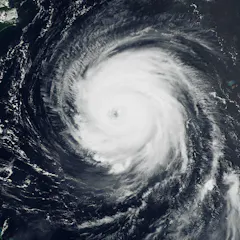
Vertical wind shear can keep tropical storms in check, particularly during El Niño years. When El Niño is gone, it’s a different story.
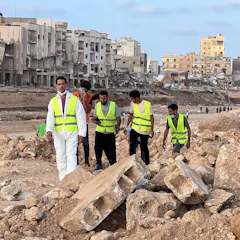
Climate models suggest North Africa will get drier in future. But its caves tell a different story.
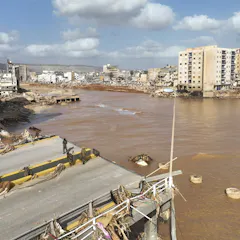
Climate assemblies may just provide the breakthrough required to develop popular, just and sustainable climate and energy policies.
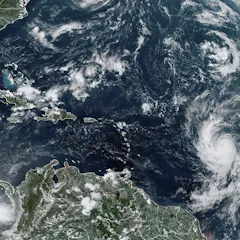
Can Hurricane Fiona give us a hint about what future climate change might bring to Eastern Canada? Unravelling this question could lie in understanding ancient storm records.
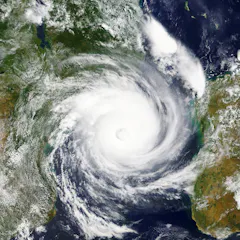
A lack of weather radar stations means Africa is being hit hard by extreme weather events.

Natural disasters cause billions in damage to ports around the world each year.
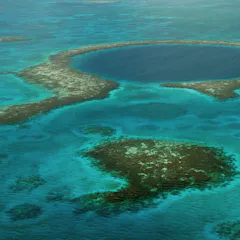
A look back at hurricane history suggests we may be significantly underestimating future risks.
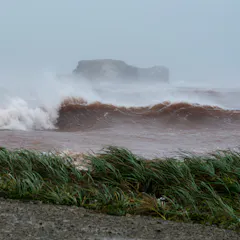
Storm Fiona caused a lot of property damage and erosion on the Canadian coast. But its effects are also felt in the depths of the Gulf of St. Lawrence.
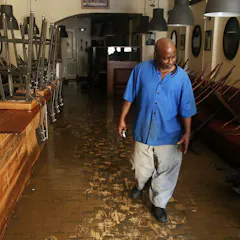
Research shows that coastal businesses’ hurricane recovery depends on workers being able to return.

Teaching students techniques to cope with anxiety and stress can help them bounce back after a hurricane upends their life.
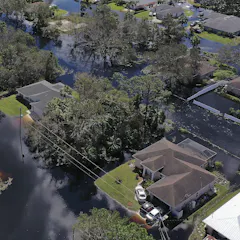
About 9% of homeowner property claims nationwide are filed in Florida, yet 79% of lawsuits related to property claims are filed there.
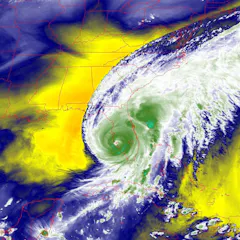
Two hurricane and climate scientists explain what’s known – and still unknown – about global warming’s influence on intensity, rainfall and much more.
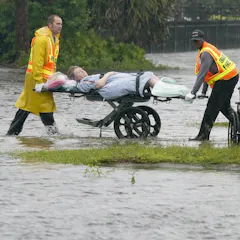
Coastal hospitals are still at high risk, nearly two decades after Hurricane Katrina’s flood disaster at Memorial Medical Center shocked the world.
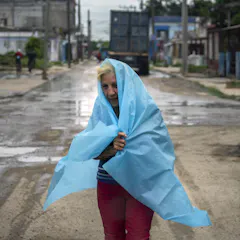
For some people, the risks associated with leaving can seem more dangerous than the storm.
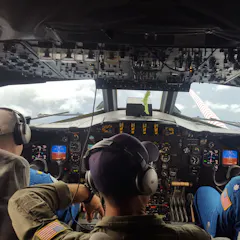
The meteorologist leading NOAA’s 2022 hurricane field program describes flying through eyewalls and the technology in these airborne labs for tracking rapid intensification in real time.
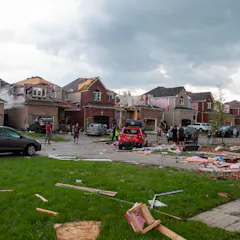
Engineers, architects and builders can design and construct affordable new buildings that can resist tornadoes, floods and wildfires, but do not. We have that opportunity now.

The test facility in Miami helps building designers prevent future storm damage. With the warming climate intensifying hurricanes, engineers are planning a new one with 200 mph winds and storm surge.
Top contributors
-

Professor of Landscape Architecture and Urban Planning, Texas A&M University
-
Professor of Atmospheric Science and Colorado State Climatologist, Colorado State University
-
Atmospheric Science Educator, Georgia Institute of Technology
-
Associate Professor of Landscape Architecture and Urban Planning, Texas A&M University
-
Associate Professor of Disaster and Emergency Management, York University, Canada
-
Associate Professor and Associate Director of the Hazards Vulnerability and Resilience Institute, University of South Carolina
-
Assistant Professor of Finance, St. Joseph's University
-
PhD Candidate in Disaster Risk Reduction, UCL
-
Professor of Public Management and Policy, Georgia State University
-
Professor and Director, Climate Science Center, Texas Tech University
-
Senior Lecturer/Associate Professor, Department of Government, University of Essex
-
Senior Scientist, Royal Netherlands Meteorological Institute
-
Associate Professor, Associate Chair of Graduate Studies for Environmental Engineering, and Canada Research Chair in Stormwater and Low Impact Development (Tier II), Carleton University
-
Associate Professor of Business, Boston University
-
Senior Lecturer in Physical Sciences, The Open University