
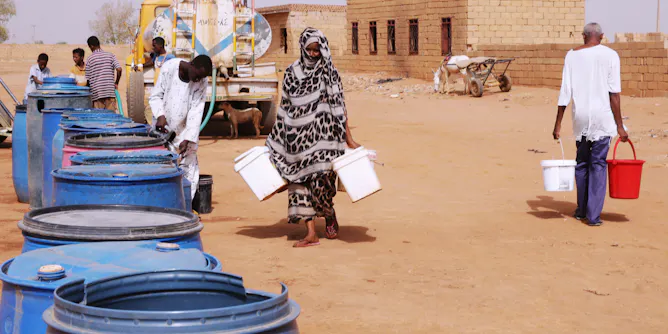
Sudan is one of the most dangerous places in the world to deliver humanitarian assistance. It is also home to one of the most chronically underfunded.
Articles on Humanitarian work
Displaying 1 - 20 of 34 articles
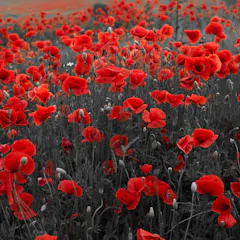
During and after WWI, thousands of American women acted as mothers for displaced French children. A war studies research fellow weighs in with considerations for teaching this vital, often overlooked part of transatlantic wartime history.
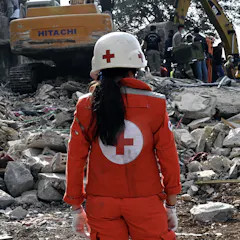
Humanitarian personnel put themselves in harm’s way to help others. An international law expert explains how we can keep them safe.
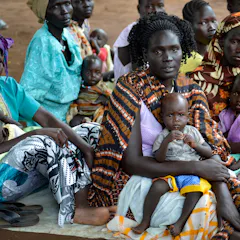
Reduction in humanitarian aid globally offers opportunities to address the power imbalances on which data-driven humanitarianism is built.
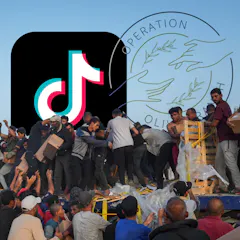
As the conflict continues, social media users are eschewing mainstream charities in favour of grassroots campaigns. It’s not without issues.

A United Nations agency known as UNRWA is the main player in crisis response in Gaza – but Israel will no longer work with UNRWA, and border crossings are not consistent in getting aid through.
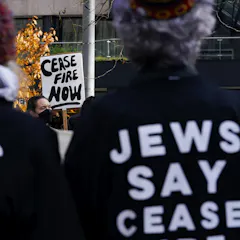
Calls for a cease-fire in Gaza are driven by humanitarian compassion and principles. But cease-fires are also technically complicated military and political ventures.
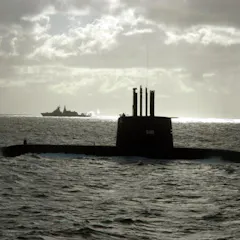
South Africa is a large peninsula on the strategic Cape sea route. Some 90% of its trade flows through its harbours. The navy defends the country’s sovereignty and national interests.
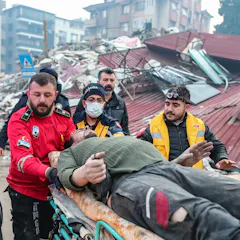
The window of survival after an earthquake is narrow and there are three top priorities for aid workers.

It is a war crime to intentionally attack aid workers, but providing aid in a war zone where force is used indiscriminately and mercenaries operate with scant regard to rules is extremely risky.

Refugee camps should only be a temporary solution. They’re no place for ongoing health care.
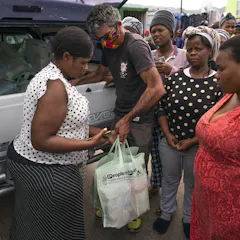
Early in the pandemic, countries had to address several questions as the virus spread and lockdowns became inevitable.

A game world is an immersive fantasy world that is created with the intention of promoting interaction with its environment.
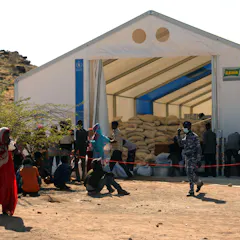
Time in the camps does not move forward and educated refugees are stuck, without the opportunity to create a path for a better future.
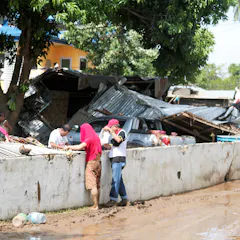
Months after Typhoon Washi tore through the Philippines in 2011, relocated residents were moving into newly built housing. They soon began modifying and extending homes that didn’t meet their needs.
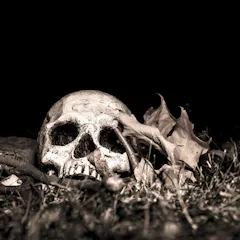
While forensic scientists mostly use fingerprints, dental records and DNA to identify human remains, they have many other techniques in their forensic toolkit. How many have you heard of?
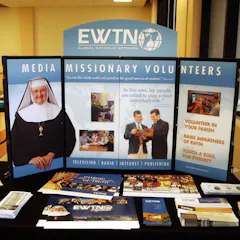
Evangelist Pat Robertson’s Christian Broadcasting Network has launched the first Christian 24-hour TV channel. History shows that missionary media has played a key role in providing information from around the world.
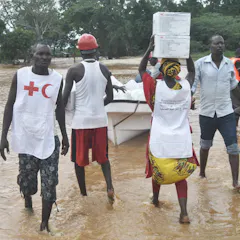
The security of local aid agency workers on the front line hasn’t been prioritised.

We don’t care, or possibly dare, to look back five or ten years later to see what happened to international aid projects.
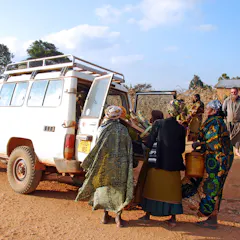
Most overseas aid workers remain largely cut off from the people they are in emergency settings to help.
Top contributors
-

PhD Researcher, Development Studies, University of Sussex
-
Furman Public Policy Scholar, New York University
-
Researcher in the Department of International Development, University of Oxford
-
Professor of Sociology, Elon University
-
Associate Professor and Head of Humanitarian Research Program, Australian National University
-
Associate Professor, College of Medicine, University of Florida
-
Honorary Senior Fellow, The University of Melbourne
-
PhD Researcher and Associate Lecturer in International Relations, University of Plymouth
-
Lecturer in Emergency Management, University of Tasmania
-
Lecturer in Global Health, UCL
-
Senior lecturer, University of Edinburgh
-
Director of Undergraduate Studies & Assistant Professor, Religious Studies, Arizona State University
-
Professor of Law, Conflict and Global Development, University of Reading
-
Researcher and practitioner in Security Risk Management, University of Portsmouth
-
Steinberg Postdoctoral Fellow in International Migration Law, Centre for Human Rights and Legal Pluralism, Faculty of Law, McGill University