
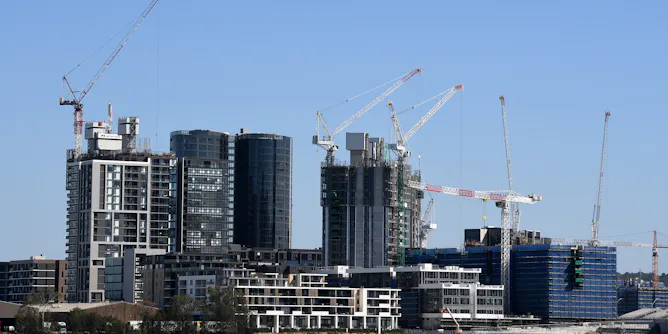
The clichés about housing supply and regulatory restraints are distractions from the need to focus on expanding the affordable housing sector to directly meet the needs of low-income households.
Articles on Housing affordability
Displaying 141 - 160 of 277 articles
Zoning restrictions added A$489,000 to the price of a detached house in Sydney, A$324,000 in Melbourne, A$159,000 in Brisbane, and A$206,000 in Perth.
Australian governments are faced with a choice: make the difficult decisions to fix planning systems so more houses can be built, or tap the brakes on Australia’s migrant intake.

Based on research comparing projects across the country, a new assessment tool calculates cost-effective ways to fund affordable housing to meet specified needs in different markets.

People on moderate incomes, including police and emergency workers, have been forced to seek housing on the city fringes, far from their places of work. But there are ways to reverse this trend.
Politics Podcast: Brian Howe on Revisiting Henderson, Poverty and Basic Income
CC BY35.4 MB (download)
Brian Howe says the targeted nature of Australia's social security system goes hand-in-hand with stigmatising welfare recipients.

The Australian government has at last taken the lead in affordable housing policy with a package of measures that should attract institutional investors hungry for low-risk returns.
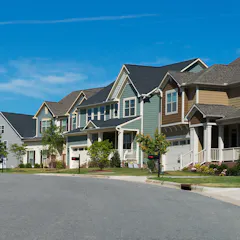
Rather than tinkering with the deduction, Republicans should get rid of it altogether and replace it with something that would actually help more Americans afford a home.

A good news story about the news? It’s true. In British Columbia, a digital news ecology is flowering through ‘coopetition’ – as Media Democracy Day will soon showcase.
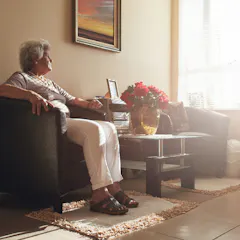
Living and dying alone presents many challenges for cities, and we’ll need more than technology to meet these. Only an inclusive, innovative response can deliver the essential element of human care.

Finding secure affordable housing is a problem for older women across Australia. But new research finds women in regional areas have different priorities from those in the cities.

Governments, developers and urban planners all aspire to create liveable cities. Yet when it comes to Australian cities, the rhetoric and reality don’t quite match.

A decade after Toronto produced the first Vitals Signs report, community foundations in Melbourne and other cities are using these reports’ up-to-date data to inform their decisions.
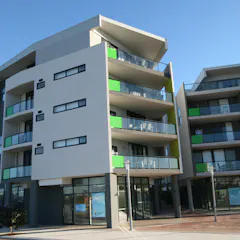
The states that are delivering more affordable housing have sophisticated, multi-pronged strategies to serve the full range of needs.
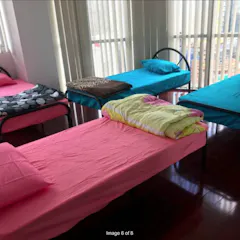
City living costs are driving people to organise themselves to share a room with strangers. These precarious living arrangements hardly qualify as a home.
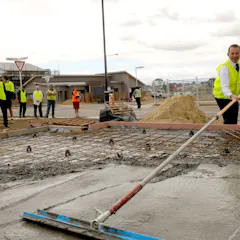
Unaffordable housing and homelessness are burning issues. Policymaking has suffered from a critical lack of data and expert input since the National Housing Supply Council was axed in 2013.

New research has found a marked increase in people, particularly among women over 50, who are building or want to build a tiny house. However, inflexible planning rules often stand in their way.
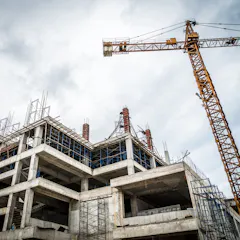
A modest rebalancing of federal tax policy toward build-to-rent housing could fill affordable housing funding gaps. Australian funds are already investing in such a scheme in the US.
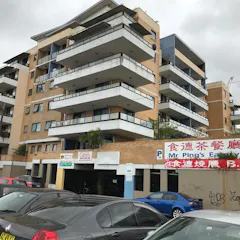
The inexorable logic of the market will create suburban concentrations of lower-income households on a scale hitherto only experienced in the legacy inner-city high-rise public housing estates.
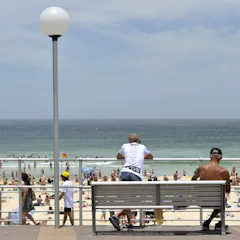
As innovative and business-friendly as Australia has become in its short history, what makes Australia stand out to international workers is its quality of life.
Top contributors
-

Emeritus Professor of Housing, UNSW
-
Emeritus Professor, Urban Planning and Policy, University of Sydney
-
John Curtin Distinguished Professor, Curtin University
-
Professor of Urban and Regional Planning, University of Sydney
-
Head of Urbanism and Associate Professor of Urban Studies, School of Architecture, Design and Planning, University of Sydney
-
Program Director, Housing and Economic Security, Grattan Institute
-
John Curtin Distinguished Professor, Curtin Business School, Curtin University
-
Scientia Professor of Economics, UNSW
-
Professorial Fellow, University of Canberra
-
Professor, City Futures Research Centre, Faculty of the Built Environment, UNSW
-
Professiorial Fellow, The University of Melbourne
-
Honorary Professor of Housing Policy and Practice, City Futures Research Centre, UNSW
-
Professor of Housing Research, Adelaide University
-
Emeritus Professor of Housing and Housing Studies, RMIT University
-
Lecturer in GIS and Planning, Griffith University