
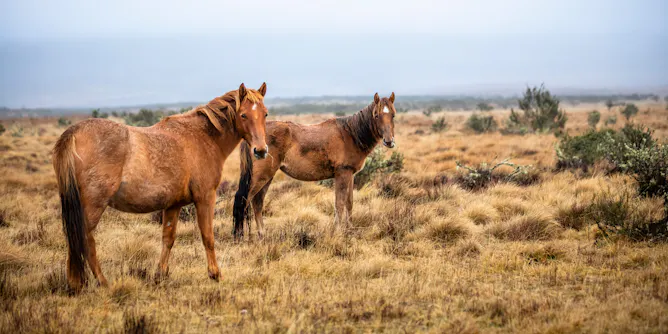
Too often our discussions of brumbies don’t consider the darker aspects of the horse’s role in Australian history.
Articles on Horses
Displaying 21 - 40 of 98 articles
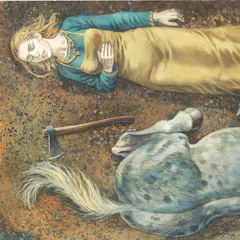
The findings suggest that the depth of the relationships Viking-age people had with animals have been dramatically underrepresented.
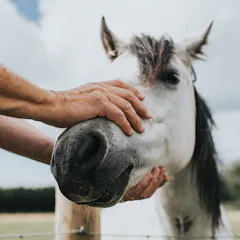
Horses and humans share biological similarities that lead them to suffer from similar endocrine and orthopedic diseases. A number of treatments that work for one species often work for the other.

Fireworks can frighten wild and domestic animals, start wildfires and affect some people’s mental health.
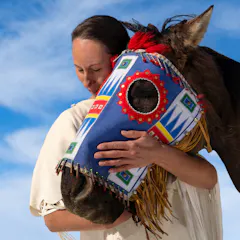
European colonists chronicled their version of how Indigenous peoples lived with horses. New collaborative research adds scientific detail to Indigenous narratives that tell a different story.

It hasn’t been clear how common the species was on the Cape south coast because its body fossils are predominantly from southern Africa’s west coast.
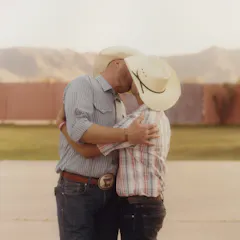
Young queer people growing up in rural areas don’t necessarily need to flee their communities to find safety and acceptance.
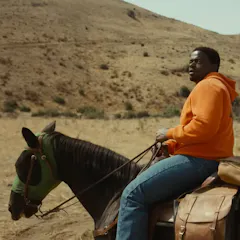
When it comes to our ethical duties to animals, representation and respect should go hand in hoof.
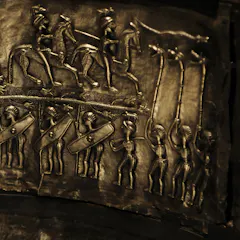
Since antiquity people have harnessed sound as a weapon, and the practice continues – in new high-tech ways – today.
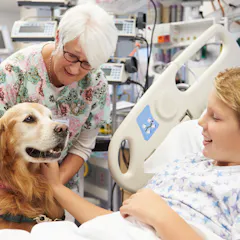
We’re all aware of the benefits from living with a pet. But over the last decade dogs, horses and cats have been helping people in many new ways as well - including recovery from addiction and trauma.

Horses are the supreme athletes of the large mammal world – here’s a look at the reasons why they can run so fast and jump so high.
It’s more evidence a lab leak is very unlikely.
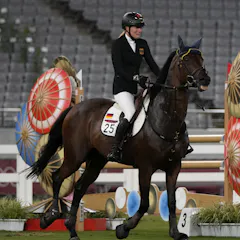
The treatment of the horse Saint Boy has ignited fierce discussion about horses in modern pentathlon, and reanimated ethical debates about horses’ jobs beyond the Olympics.
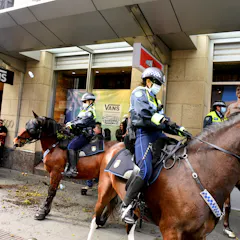
Along with firearms and disease, the horse was a key element in occupying Aboriginal land during the colonial period and controlling the largely convict workforce on the frontier.

Victoria’s plan has flaws, but it’s still likely to bring the feral horse problem under control, and will do a lot better than the very low benchmark set by NSW.
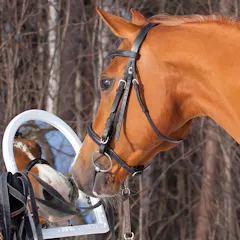
Only a few individual animals have recognised themselves in mirrors before.
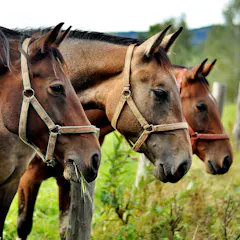
This story is not graphic, but what happens to slaughter-bound horses is, and it’s time for change.

Engaging two-year-old horses in the intensive training to prepare for competitive racing is a bit like asking a 13-year-old child to perform at the peak of their athletic potential.

Different animals have different ways of showing they’re happy. Their behaviours aren’t as straightforward as you might think.
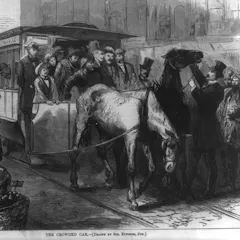
A fast-moving equine flu cratered the US economy in the fall of 1872, showing all too clearly that horses were essential and deserved better treatment.
Top contributors
-

Professor, School of Veterinary Science, University of Sydney
-
Professor in Terrestrial Ecology, Deakin University
-
Post-doctoral Fellow, School of Agricultural, Environmental and Veterinary Sciences, Charles Sturt University
-
Professor, Management and Organizational Studies, Huron University College and Coordinator of Animal Ethics and Sustainability Leadership, Western University
-
Fellow, Keele University
-
Senior Research Fellow, Flinders University
-
Assistant Professor and Curator of Archaeology, University of Colorado Boulder
-
Professor of Urban and Environmental Geography: School of Geosciences, University of Sydney
-
Senior Lecturer Animal Sciences, University of Sydney
-
PhD Candidate (Equine Training and Welfare), The University of Queensland
-
Honorary Affiliate, University of Sydney
-
Honorary Principal Fellow, Human Geography, University of Wollongong
-
Honorary Associate, Sydney School of Veterinary Science, University of Sydney
-
Adjunct Associate Professor in Equine Exercise Science, Charles Sturt University
-
Head of the Equine Centre, Associate Professor of Equine Medicine and Surgery, The University of Melbourne