

Despite the harm it can cause, gambling is often defended because it returns money to the community. So why is the racing industry largely exempt?
Articles on Horse racing
Displaying 1 - 20 of 68 articles
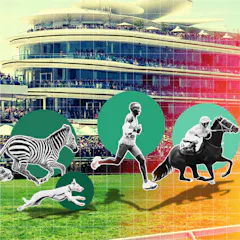
Melbourne Cup thoroughbreds are considered the best of the best in world racing. But are they really top of the tree in the broader animal kingdom?

The Cup is still Australia’s biggest one-day race gambling event. But there are signs it’s no longer stopping the nation like it used to.

English model Jean Shrimpton became an accidental influencer after attending Derby Day in 1965.
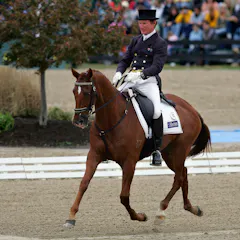
Just like any other animal, horses feel pain, which is why more needs to be done to minimise the use of whips.

Workers in the Australian racing industry allege horses are being routinely medicated for track work, at the peril of rider and horse safety.

The death of Black Caviar sparked some uncomfortable questions about what retirement actually means for thorughbreds.

Horses naturally synchronise their running in groups – but ‘racing’ and ‘winning’ are human concepts.
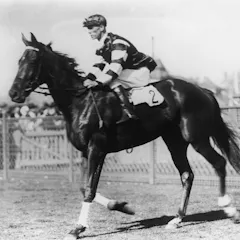
Phar Lap’s famous 1930 Melbourne Cup victory united Australia and New Zealand in celebration. Almost a century on, people still flock to visit his remains, on display at three different museums.

The horse race is likely to be disrupted by activists from the Extinction Rebellion offshoot.

Horse racing can be at thrill for punters and jockeys alike. But sex discrimination could be skewing the odds.

Does whipping hurt horses and why do jockeys do it? Research shows the industry’s view that whipping is important for safety and performance is misguided.

New research shows gambling participation in Australia is dropping.

Engaging two-year-old horses in the intensive training to prepare for competitive racing is a bit like asking a 13-year-old child to perform at the peak of their athletic potential.

New research showing clear similarities between pain receptors in human and horses’ skin raises fresh questions about whether the widespread practice is ethical or even effective.

As the Melbourne Cup approaches, new research shows whipping horses really doesn’t offer the benefits its proponents claim.
Our reaction to the horse-slaughter scandal show a double standard, and suggest we care more about what racehorses mean to us than what’s best for the animal.

Racing industries put enormous effort into procuring the best young horses, but pay little attention to the fate of former (or simply unsuccessful) racers.

Race horses should be bred for both speed and durability so owners have an incentive to keep them racing fit and away from the abattoirs.

An investigation by ABC journalists has revealed hundreds of former racehorses are slaughtered after retiring.
Top contributors
-

Professor, School of Veterinary Science, University of Sydney
-
Post-doctoral Fellow, School of Agricultural, Environmental and Veterinary Sciences, Charles Sturt University
-
Adjunct research fellow, School of Arts, Western Sydney University
-
Professor of Urban and Environmental Geography: School of Geosciences, University of Sydney
-
Senior Research Fellow, Flinders University
-
Honorary Associate, Sydney School of Veterinary Science, University of Sydney
-
Head of the Equine Centre, Associate Professor of Equine Medicine and Surgery, The University of Melbourne
-
Senior Research Fellow, The University of Melbourne
-
Adjunct Associate Professor in Equine Exercise Science, Charles Sturt University
-
Senior Lecturer, Sydney School of Veterinary Science, University of Sydney
-
Visiting Researcher, Centre for Ecology and Conservation, University of Exeter
-
Research Officer Veterinary Science, University of Sydney
-
Professor of Cinema Studies, Director, Human Rights & Animal Ethics Network, The University of Melbourne
-
Teaching fellow, The University of Melbourne
-
Professor of Law, The University of Melbourne