

The study yields the first direct chemical evidence for honeybee product exploitation in West Africa.
Articles on Honey
Displaying 21 - 40 of 53 articles
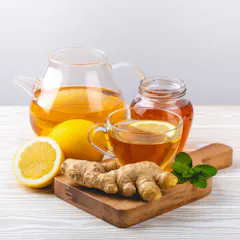
A speech pathologist and lecturer in voice disorders explains why lemon and honey tea won’t fix your lost voice. But here’s what might help.
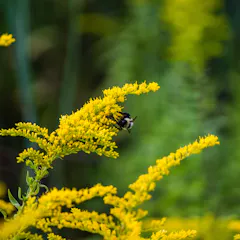
Our study is the first to research the impact of online misinformation on biological invasions.
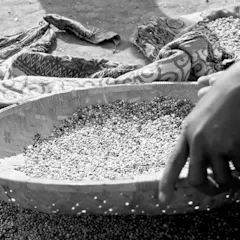
The ex-combatants’ food memories show how they continue trying to make sense of both their past and present experiences of violence.
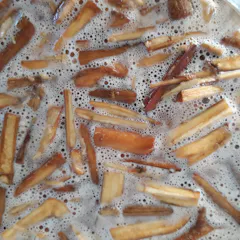
Until now the search for early evidence of alcohol has fixated on residue analysis.

Three foods and some cool stuff you should know about them.
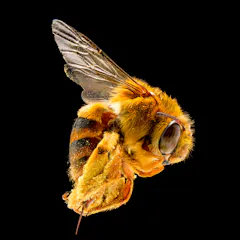
In NSW, honeybees are listed as a key threatening process to biodiversity.

‘Bee-washing,’ marketing claims that purport to help bees, can diminish the important distinction between a honey bee and native bee.

Urban pollutants are a health concern in growing cities. Scientists are turning to honey bees to help monitor contaminants in soil, water, air and plants.
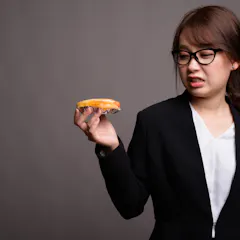
It doesn’t always pay to know what’s really in your food – but it’s fun to find out, anyway.

Non-Timber Forest Products don’t often feature in discussions about poverty reduction and alleviation.
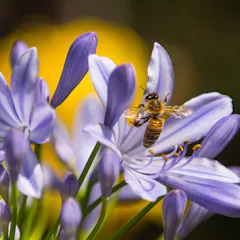
The world’s most widely used herbicide poses a threat to honey bees.
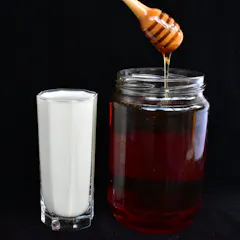
Food fraud, the centuries-old problem that won’t go away
The Conversation55.8 MB (download)
Dairy farmers used to put sheep brains and chalk in skim milk to make it look frothier and whiter. Coffee, honey and wine have also been past targets of food fraudsters. Can the law ever keep up?
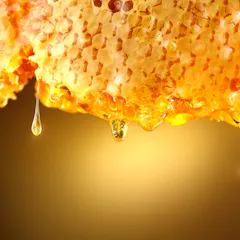
More than a quarter of commercially available honeys show signs of having been bulked out with cheaper products such as sugar cane and corn syrup, a new analysis shows.
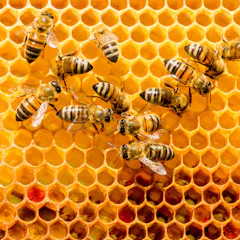
The bee product industry is booming and in unregulated markets, there is a strong economic incentive to cheat. Self regulation combined with legal deterrence could help clean up the sticky mess.
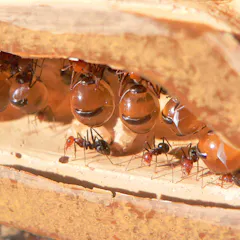
Honey might be synonymous with bees, but they’re not the only insects that come up with the goods.
Australia’s largest honey producer has been accused of selling fake honey. But what is fake honey – and why has it only been found now?
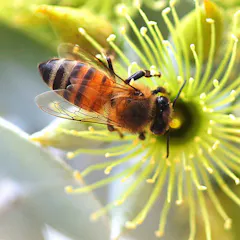
Australia’s distinctive native plants give our honey a distinctive stamp. Welcome to melissopalynology: the study of pollen.
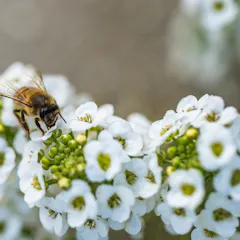
While bee sting deaths are rare, bees cause more hospitalisations than any venomous creature.
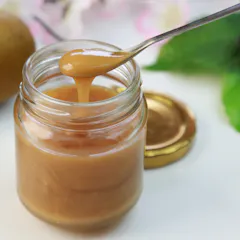
Manuka honey has a lot of evidence-based benefits, and a lot of rubbish claims too.
Top contributors
-

Professor in Natural Resource Economics, Adelaide University
-
Researcher in Mechanical Engineering, University of Leeds
-
Research Fellow, Faculty of Science, University of Sydney
-
Research scientist, University of Sydney
-
Project Manager, International Rock Art Collaboration, Rock Art Research Institute, School of Geography, Archaeology and Environmental Studies, University of the Witwatersrand
-
Senior Research Fellow, Queensland University of Technology
-
Research Fellow, TC Beirne School of Law, The University of Queensland
-
Professor of Commercial Law, Te Herenga Waka — Victoria University of Wellington
-
Lecturer in Ecology, University of New England
-
Professor of Law, City University of Hong Kong
-
Professor and Associate Dean Research of Faculty of Creative Industries, Education and Social Justice, Queensland University of Technology
-
Science Communication Researcher, Stellenbosch University
-
Senior Experimental Scientist, Land and Water, CSIRO
-
Professor, School of Natural Sciences, Macquarie University
-
Doctorant, Université de Toulouse