
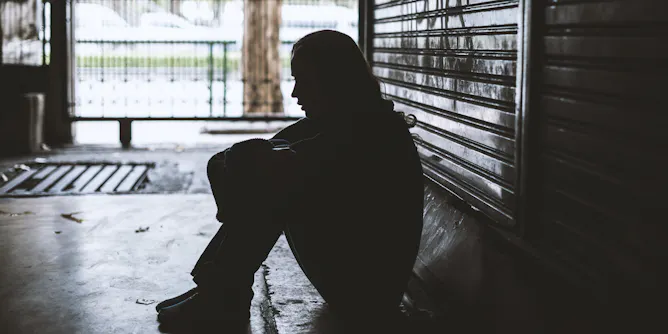
The spread of coronavirus highlights the urgent need for housing for people who have nowhere to live.
Articles on Homelessness
Displaying 221 - 240 of 371 articles
Tens of thousands of New Zealanders don’t have secure or adequate accommodation – so how can they safely self-isolate in NZ’s lockdown? But there are solutions – and here’s where to start.

A new analysis shows an economic downturn due to COVID-19 will dramatically increase rental stress for people with insecure or casual work.

A home, a springboard, or a safety net? New research finds a surprisingly large number of Australians have lived in social housing since 2000, using it in several very different ways.
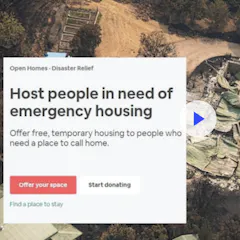
Long before a fire season that destroyed 3,500 homes, more than 100,000 Australians were homeless. If only we showed the same urgency and innovation in housing them as we did for bushfire victims.

A safe home, a working fridge and access to transport are all needed before western medicine has a chance of working in the long term. But a new way of providing care can help.
Transgender people experience high rates of discrimination in housing and shelter services.

Helping tenants find work supposedly creates a pathway into private rental housing, freeing up social housing for others. Private rental costs and the situations of many tenants make that unrealistic.
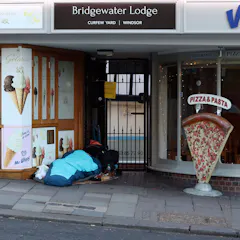
There are record numbers of rough sleepers in some cities, yet the most common approaches adopted at tackling it are ineffective.
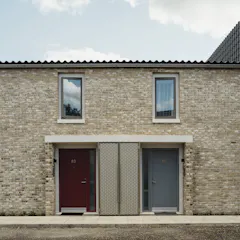
For decades, social housing has been defunded and ignored. The system is now broken, and it needs to be fixed.
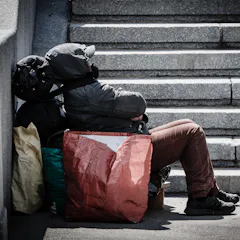
Record numbers of people are in work but the number of those in employment and in poverty is also rising.
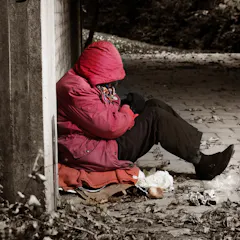
And homelessness makes reoffending more likely.
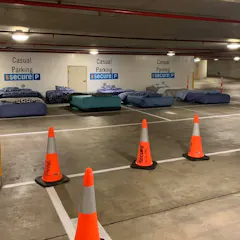
Providing a bed for the night in a car park for people sleeping rough just treats them as a charity case. There are better ways to tackle homelessness.
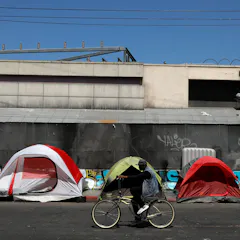
Donald Trump has some ideas about how to end homelessness in the US. Los Angeles’ recent experiences may be an important part of the discussion.

It’s time to tackle the shortage of public housing head-on, rather than skirt around the problem. Public housing is the single most cost-effective way to turn around the rise in homelessness.
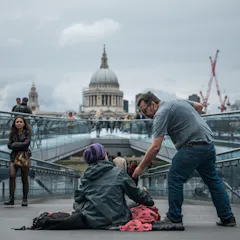
Research shows meaningful and accessible activity like sports and arts may have significant impacts for homeless youth or youth at risk of homelessness.

In the last decade, Canadian cities have made huge strides in the way policy-makers approach the homeless. The right tool-kit alongside community knowledge can go a long way to curbing homelessness.
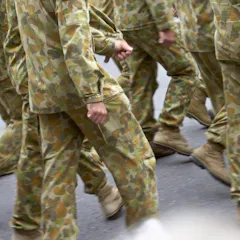
Researchers say the new figure should be used to improve services aimed at tackling the homeless problem in Australia’s defence veterans.
Their initial grants do not insist upon filing reports that might indicate what works best. And without more affordable housing, the problem is sure to continue.

For families living in poverty, making their 16 or 17 year old child homeless may be the only option to keeping them all afloat.
Top contributors
-

Professor, School of Social Science, The University of Queensland
-
Emeritus Professor of Housing, UNSW
-
Associate Professor, Adelaide University
-
Reader in Social Policy, Nottingham Trent University
-
Professor of Housing and Social Inclusion, Nottingham Trent University
-
Adjunct Senior Research Fellow, Gonski Institute for Education, UNSW
-
Senior Research Fellow, Housing, Homelessness & Urban Studies (HHAUS) research group, Swinburne University of Technology
-
Associate Professor, Geography and Urban Studies, Western Sydney University
-
Alan Morris is a Friend of The Conversation.
Professor, Institute for Public Policy and Governance, University of Technology Sydney
-
Senior Research Fellow, City Futures Research Centre, UNSW
-
Professor of Housing Research, Adelaide University
-
Adjunct Lecturer at the Centre for Justice, Queensland University of Technology
-
Professor of Sociology and Director of the Housing and Community Research Unit, University of Tasmania
-
Researcher, Aging In the Right Place | M.A. student, Gerontology, Simon Fraser University
-
Assistant Professor of Law and Director of the Medical-Legal Partnership Clinic, University of Memphis