
The America First Global Health Strategy aims to secure US interests but may instead undermine it by design.
Articles on HIV stigma
Displaying 1 - 20 of 34 articles
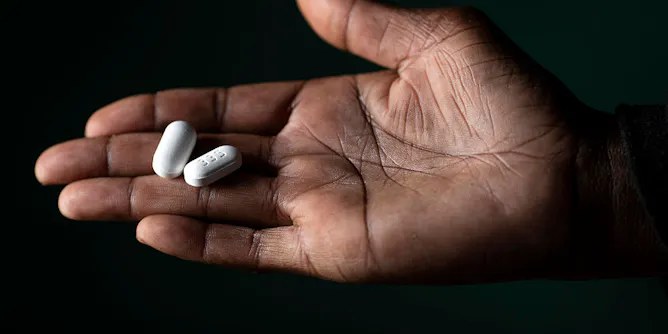
Long-lasting HIV drug could help people who can’t take daily PrEP pills.
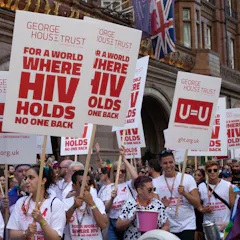
HIV stigma and discrimination continue to harm the lives of people living with HIV, and hinder efforts to stem the epidemic globally.
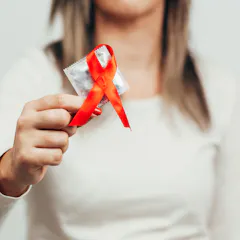
Despite higher than average rates of HIV infection, Hispanic women have relatively low awareness of PrEP, an effective HIV-prevention medication.

HIV prevention and treatment have made great strides, but barriers created by stigma, laws and logistics remain.

One person still dies every three days in the UK after receiving contaminated blood in the 1970s and ‘80s. This global scandal has has devastated many families, including those with haemophilia

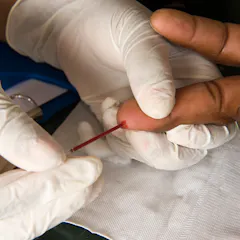
Many people at heightened risk for HIV have never been tested. Those who have self-tested for HIV often don’t go on to receive care or change their sexual behavior.
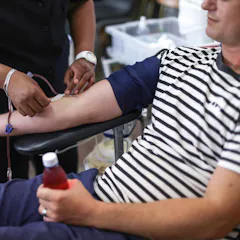
In 1983, during the early days of the AIDS epidemic, the US Food and Drug Administration made the decision to ban gay men from donating blood. Now, 40 years later, it is dropping that rule.

Prejudice and stigma can discourage the communities most affected by infectious diseases from seeking care. Inclusive public health messaging can prevent misinformation and guide the most vulnerable.

Can a film’s artful telling of experiences of stigma and HIV, using dance, help promote empathy and compassion?

This finding suggests public health efforts will have to address the treatment barriers these men face – like poverty or homophobia – to meet the nation’s goal of ending the HIV epidemic by 2030.
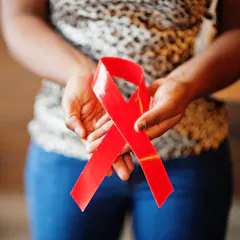
Microaggressions are more subtle than outright discrimination. But they can directly affect HIV treatment outcomes.
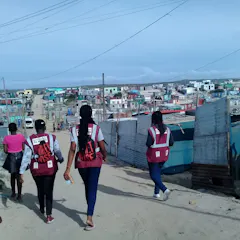
The unique challenges of the pandemic changed the way community organisations work. Organisations that worked in silos during other emergencies bundled their expertise and resources.

Even though the spouse escort policy carries good intentions, we found during our study that it constituted a barrier to care in numerous ways.
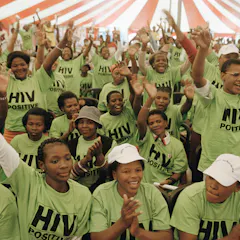
The agents causing illness do not care for our assumptions about our alleged superiority on the planet, nor do they discriminate.

Changes to the criminalization of HIV nondisclosure in Canada must consider the vulnerability and violence experienced by women living with HIV.

Addressing HIV stigma through utilising the Acholi’s own local cultural system is an empowering process that will position the role of the elders back into the community.
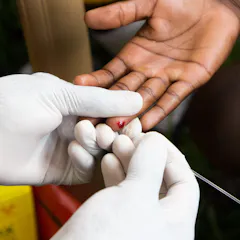
Knowing your HIV status is key to accessing life-saving treatment or evaluating the best prevention options.
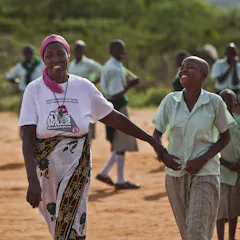
Research shows that Aspirin could reduce the number of HIV infections in women at high risk for HIV, such as Kenyan female sex workers.
Gains made in the fight against HIV and AIDS in Zimbabwe could be reversed unless a legal provision is revised.
Top contributors
-

Associate Professor and Canada Research Chair in Global Perspectives in HIV and Sexual and Reproductive Health, Simon Fraser University
-
Assistant Professor of Public Health, University of Iowa
-
Professor of medicine and deputy director of the Desmond Tutu HIV Centre at the Institute of Infectious Disease and Molecular Medicine, University of Cape Town
-
Principal Research Fellow, Australian Research Centre in Sex, Health and Society, La Trobe University
-
Honorary Research Associate with the Division of Social and Behavioural Sciences in the School of Public Health, University of Cape Town
-
Professor of International Politics, Queen Mary University of London
-
PhD Student in Medical Microbiology, University of Manitoba
-
Senior Lecturer in Public Health, The Open University
-
Lecturer in the School of Physiology, Faculty of Health Sciences, University of the Witwatersrand
-
Extraordinary Professor in the Department of Medical Microbiology, University of Pretoria
-
Public Health Medicine Specialist, University of the Witwatersrand
-
Programme Development Manager | Doctoral Scholar | Associate Lecturer in Law, University of Kent
-
PhD Candidate in Medical Microbiology, University of Manitoba
-
Health Systems Researcher, Makerere University
-
Professor of Health Economics and Policy and Pharmaco-economics/pharmaco-epidemiology in the Departments of Health Administration & Management and Pharmacology and Therapeutics, College of Medicine, University of Nigeria