
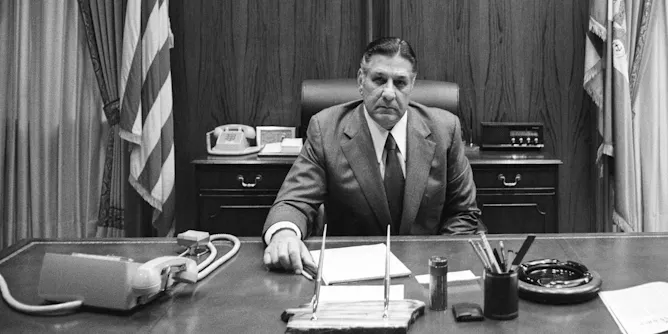
Understanding Rizzo’s career and political popularity can help explain the appeal of President Trump’s identity-based populism today.
Articles on History
Displaying 301 - 320 of 2075 articles
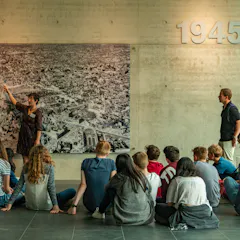
History should teach students how to understand and interpret events – not just recite dates and names.
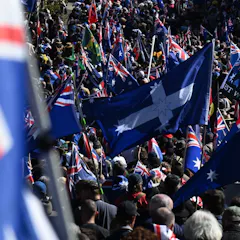
The Eureka flag originated on the gold fields, became a union symbol, and is now being waved at anti-immigration protests.
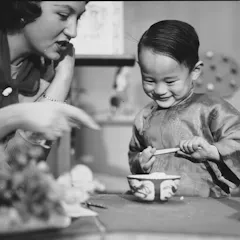
New research uncovers stories of resilience, entrepreneurship and thriving cultural creativity across seven decades of Australian TV history.
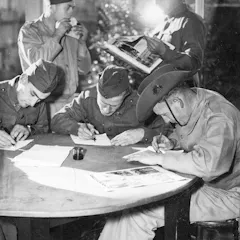
Loneliness is a common emotion in letters written by Australian service personnel and their loved ones.
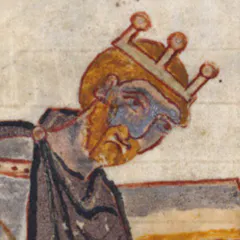
A well-rounded view of the king, his government, religion and more.
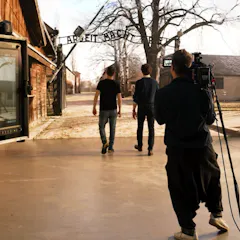
While the virtual site may digitally preserve and encourage historically rooted depictions of the camp, it cannot ensure ethical engagement with the Holocaust.
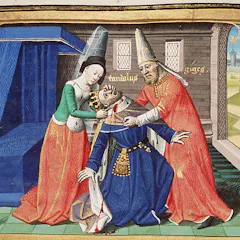
In the 14th century, Sundays were particularly deadly.
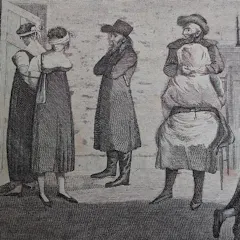
How on earth did someone of German-Jewish origin manage to integrate himself into the close-knit smuggling fraternity of Sussex?

Kristy Marillier’s fierce new ensemble drama, playing at Melbourne Theatre Company, reminds us the personal is political.
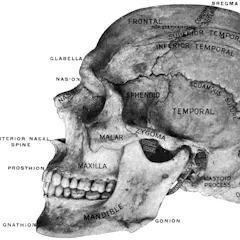
Craniometry, the study of skull measurements, was widely taught in medical schools in the nineteenth and early twentieth centuries.
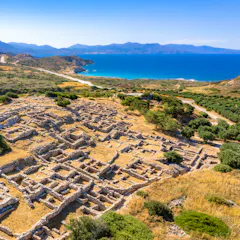
From art to architecture, this pioneering bronze age civilisation had a huge influence on other western cultures.

New analysis of silver items in the Bedale hoard reveals Scandinavians travelled to the east to trade much earlier than previously thought.
Donald Trump aims to rewrite America’s official history, including at one of the nation’s key sites of public history-making: the Smithsonian. George Orwell would recognize Trump’s impulse.
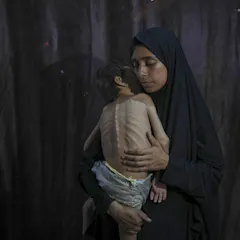
War photos can have several, sometimes conflicting roles, ranging from evidence and testimony, to ‘trophies’ for the oppressor.
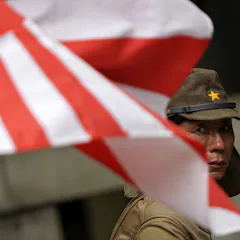
On the 80th anniversary of its surrender, Japan battles waning support for pacifism.
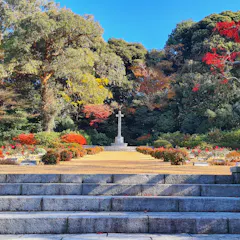
At the Yokohama War Cemetery, the first steps towards Australia and Japan’s reconciliation were made through design.

Inca literacy may have been more inclusive than previously thought.
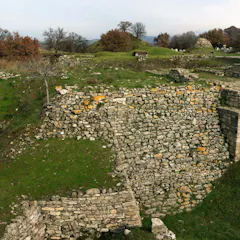
Long before industry, ancient societies were already pushing their ecosystems to the brink

On 24 April 1950, 29 members of Dini ya Msambwa, an anti-colonial religion, were killed by British forces. The UK government refuses to acknowledge this massacre.
Top contributors
-

Professor of History, Australian Catholic University
-
Research Associate, Institute for Prehistory and Early History and Medieval Archaeology, University of Tübingen
-
Director, Gender and Women's History Research Centre, Australian Catholic University
-
Lecturer in Classics and Ancient History, The University of Western Australia
-
Professor of History, President, Australian Historical Association, Macquarie University
-
Senior Lecturer in History, University of Waikato
-
IE School of Humanities, IE University; California State University San Marcos
-
PhD Candidate, Anthropology and Archaeology, University of Bristol
-
Director, Vice-Chancellor's Centre of Public Ideas (CoPI) and Donald Horne Professor of History and Public Ideas, University of Canberra
-
Professor Emerita, Classical Studies, The Open University
-
Associate Professor, Fashion History, De Montfort University
-
Professor in Public History, University of Technology Sydney
-
Chair in the History of Finance and Associate Pro-Vice-Chancellor Research, Prosperity and Resilience, Henley Business School, University of Reading
-
Senior Lecturer in History, University of Winchester
-
Associate Professor of Medieval History, Durham University