
Keeping global warming to 1.5°C could significantly decrease the frequency of extreme climate events across Africa.
Articles on Heat wave
Displaying 181 - 200 of 225 articles
Record-breaking April heat is likely to continue for at least another month.
Many parts of the US have experienced extreme heat or extreme cold in the past year. Recent research projects that climate change will increase deaths from both types of weather, especially cold spells.
Cooling off this summer will be more expensive than ever, putting at risk the very young, the elderly and people with health conditions.
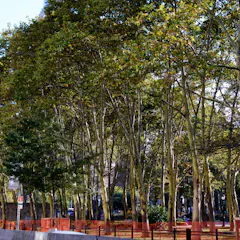
How can cities protect residents during heat waves? There’s no single solution, but expanding air conditioning, installing passive cooling features in homes and planting shade trees all can help.

Climate change is making heat waves more frequent and intense around the world. Cities are hotter than surrounding areas, so urban dwellers – especially minorities and the poor – are at greatest risk.

Major airports around the world will see more frequent flight restrictions in the coming decades because of increasingly common hot temperatures.
Climate Council CEO Amanda McKenzie told Q&A that heatwaves were ‘worsening’ in Australia and ‘hot days’ had doubled in the last 50 years. Let’s take a look at the evidence.
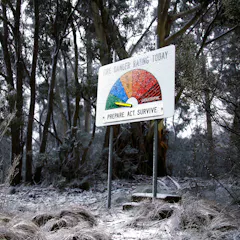
Australia is looking at another mild winter – but while it sounds pleasant, it can increase bushfire risk and worsen drought. Winter heatwaves are actually (enjoyable) extreme weather events.
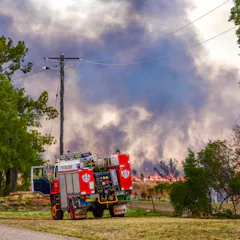
Heat records have tumbled across New South Wales as the state suffered through the weekend’s heatwave. A new analysis shows that climate change made this kind of event much less of a rarity.

The latest heatwave put huge pressure on our electricity grid, as Australians turned on their air conditioners. Smarter design and regulations could solve the problem.
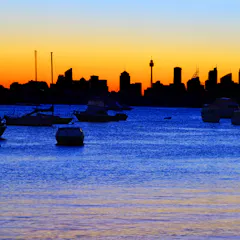
Our cities are getting hotter. Luckily, as a built environment, we can actually do something about it.
2016 is the third consecutive hottest year on record. How can we adapt?
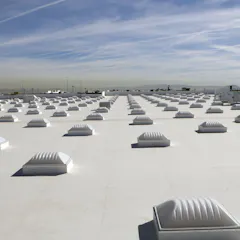
Green and cool (reflective) roofs are effective tools for cooling overheated cities. Research in Chicago shows that their impacts depend on local conditions, so planners should site them carefully.
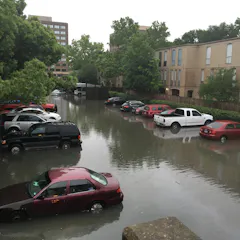
Extreme weather has an outsized impact on everyday life. Focusing on average weather patterns may make Americans dangerously complacent about how climate change is already affecting our lives.
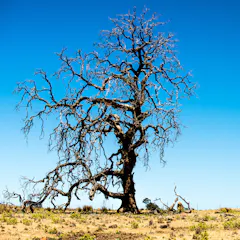
Extreme weather will affect people and animals, as well as whole ecosystems. Research using satellites shows that ecosystems worldwide are vulnerable to collapse.
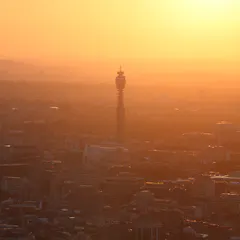
The Urban Heat Island is an inevitable outcome of urbanisation – but as the Earth gets warmer, that’s cause for concern.
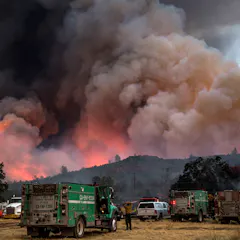
Thanks to El Niño and climate change, last year broke temperature records – and reduces any importance attached to the global warming ‘hiatus.’
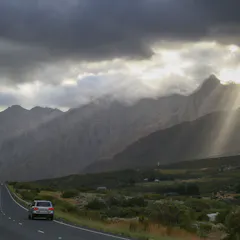
South Africa has been experiencing odd weather patterns during the month of November. It can be attributed to three culprits.
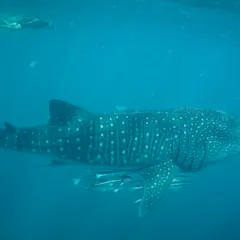
While eastern Australia trembles in the face of an El Niño, Western Australia’s oceans could finally see relief from devastating marine heatwaves.
Top contributors
-

Professor of Geology and Environmental Geosciences, University of Dayton
-
Deputy Director, Engagement and Impact, The ARC Centre of Excellence for the Weather of the 21st Century, Australian National University
-
Distinguished Scholar, National Center for Atmospheric Research; Affiliate Faculty, University of Auckland, Waipapa Taumata Rau
-
Honorary Associate Professor in Environmental Health, Australian National University
-
Professor of Atmospheric Science, Colorado State University
-
Professor of Climate Science, UMass Lowell
-
Professor of Physical Geography, University of the Witwatersrand
-
Assistant Professor of Architecture, University at Buffalo
-
Senior Lecturer of Physical Geography and GIS, University of the Free State
-
Climate scientist, Australian Bureau of Meteorology
-
ARC DECRA Fellow, UNSW
-
Climate Scientist, Australian Bureau of Meteorology
-
Associate Professor of Civil Engineering, Boise State University; United Nations University
-
ARC Future Fellow and Associate Professor in Climate Science, ARC Centre of Excellence for 21st Century Weather, The University of Melbourne
-
Climate Scientist, Australian Bureau of Meteorology