
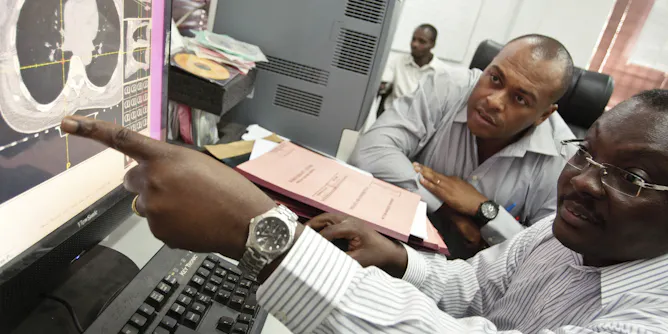
So-called lifestyle diseases such as cancer and heart disease have been rising in Africa, adding to the already huge burden of disease in poor countries. But the research has not kept pace.
Articles on Heart disease
Displaying 241 - 260 of 335 articles

Even for those on statins, a healthy Mediterranean eating pattern has been shown to bring extra benefits.

Many people in a large number of low and middle income countries now experience a ‘double burden’ of malnutrition.

Millions smiled last week when it was reported that there’s no evidence to support the flossing of teeth. A dentist sees it differently and suggests we continue the practice.

Despite the increase in cardiovascular disease in the developing world, not enough is being been done to improve public awareness of the benefits and harms of ‘good’ and ‘bad’ fatty acids.

Almost three in four Australian children consume too much sugar, 91.5% of young people don’t get enough exercise, and we’re among the most obese people in the world.

Around 60% of Australians over the age of two years exceeded the recommended daily maximum intake of salt.

Diabetes is a leading cause of death as well as of heart attacks, strokes, amputations, kidney failure, depression and severe infections – all of which themselves contribute to premature death.

Global deaths from heart disease rose from 12.3 million in 1990 to 17.3 million in 2013. Most of the increase occurred in developing countries and in disadvantaged people in developed countries.

Many suspect Van Gogh suffered from foxglove extract overdose due to the yellow halos in his paintings and his portrait of his physician holding the plant.

If you’re an average-sized adult eating and drinking enough to maintain a healthy body weight, you should consume no more than 12 teaspoons of sugar per day.

Fewer than half of Australians who have had a heart attack take blood pressure and cholesterol-lowering drugs to prevent them having another one.

It’s time for Australia to follow the UK’s lead and increase the price of sugary drinks.

In fact, even a happy heart can break.
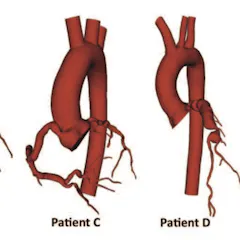
Computer simulation and 3D printing are allowing scientists to develop faster, safer ways to test medical devices without installing them in live humans or animals.

Patients with chronic illness need support and encouragement to take their medications. SMS messaging is a simple, cheap and seemingly effective way to keep them on track.

Not getting enough quality sleep can have significant implications for health.

Vitamin D is often seen as a harmless supplement to take – the more the better. But the evidence suggests a different picture.

A new study linking sweetened drinks to heart disease is more confusing than enlightening

National dietary guidelines have become an easy target for those looking for a scapegoat for bad diets in rich countries. And a BMJ article about draft US guidelines adds further fuel for the fire.
Top contributors
-

Laureate Professor in Nutrition and Dietetics, University of Newcastle
-
Professor of Medicine, University of Sydney
-
Program Director of Nutrition and Food Sciences, Accredited Practising Dietitian, Adelaide University
-
Professor of Community Health and Wellbeing, The University of Queensland
-
Professor and Personal Chair, Swansea University
-
Professor of Health Sciences, Simon Fraser University
-
Professor of Anatomy, Lancaster University
-
Professor and Programme Director, SA MRC Centre for Health Economics and Decision Science - PRICELESS SA (Priority Cost Effective Lessons in Systems Strengthening South Africa), University of the Witwatersrand
-
Team Head, Cardiovascular Disease Prevention, QIMR Berghofer
-
Professor of Physical Activity, Lifestyle, and Population Health, University of Sydney
-
Cardiologist at Westmead Hospital; Director of the Westmead Applied Research Centre, University of Sydney
-
Clinical Professorial Research Fellow, Australian Women and Girls' Health Research Centre, The University of Queensland
-
Senior Lecturer in Pharmacology, Adelaide University
-
Professor of Public Health Policy, Deakin University
-
Postdoctoral Research Fellow, University of Oslo