
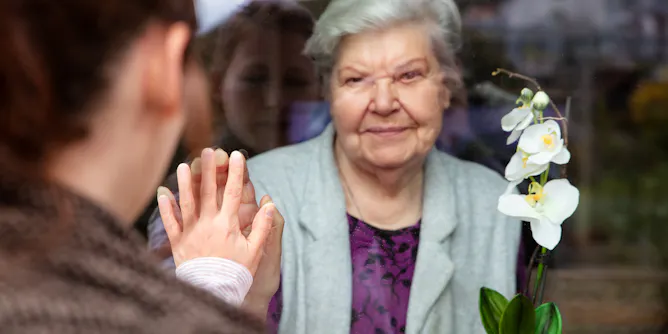
Shielding people based on their individual risk profile has been proposed by some experts.
Articles on Health inequality
Displaying 41 - 60 of 98 articles

Public health education campaigns disregard economic factors.
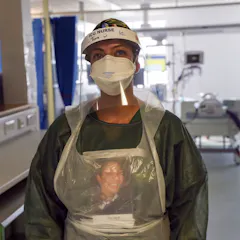
Nurses are uniquely at risk of COVID-19, and are affected by many of the health inequalities that the pandemic has exposed. But no one is listening to them.

We know that spending time in nature is good for physical and mental well-being, but social inequality means not everyone has easy access to parks, gardens and woodland.

But the taxes have to be well-designed to avoid being overly regressive and targeting the poor.
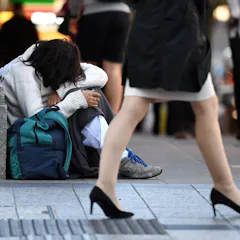
A new mapping project shows where different types of disadvantage are most prevalent. The picture is more varied and complex than many people think.
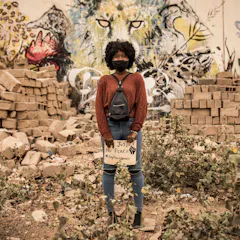
A leading sociologist explains how different dimensions of humanity produce different kinds of inequality - and what that does to the least equal in society.
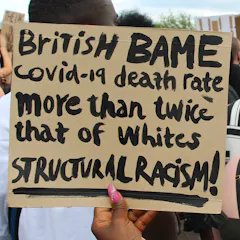
There is no single reason why COVID-19 has had a disproportionate effect on ethnic minorities, but we know that racism and socioeconomic factors both play a role.
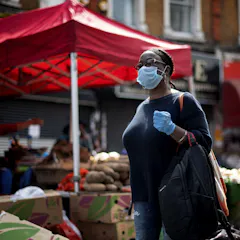
Improving health literacy and access to services could empower ethnic minorities to boost their immune systems.

Our experts look at why people of colour are being hit harder by COVID-19, New Zealand’s success in eliminating the virus, and the latest on drug trials.
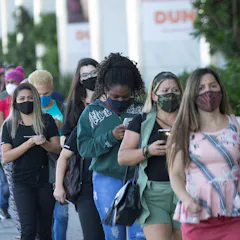
What the world will look like in the absence of a COVID vaccine or treatment.

Our research will look for how differences in people’s innate immune systems may affect COVID-19 survival rates.
If the government seeks to reduce its massive deficit by cutting public spending after the pandemic subsides, this will burden the poor and public sector workers, increasing inequality.

Given the market is not coping and the need for government to intervene is more apparent than ever, one might think the time for social democracy has come again. The reality, though, is not so simple.

Trump called coronavirus a hoax, and he dragged his feet in addressing it. But the US health care system was ill-equipped from the start to deal with such a crisis. The pandemic shows the flaws.

Poor neighbourhoods are driving health inequalities in children.

Many argue the key to helping low-income Americans eat healthier is eliminating food deserts. A new study suggests this doesn’t help.
Genome-wide association studies are more like genome white association studies.

Three-quarters of people with an intellectual disability receive prescribed drugs.
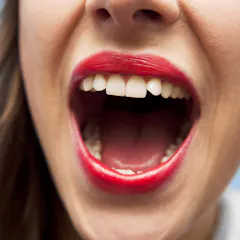
Unlike health care for the rest of our body, dental care mostly comes out of our own pocket – and it’s not cheap. Many Australians go without and their health suffers.
Top contributors
-

Wellcome Multimorbidity PhD Fellow & Public Health Registrar, University of Glasgow
-
Professor of Public Health, Newcastle University
-
Adjunct Associate Professor, Menzies Centre for Health Policy and Economics, University of Sydney
-
University of Chester
-
Honorary Enterprise Professor, School of Population and Global Health, and Department of General Practice and Primary Care, The University of Melbourne
-
Associate Professor in Public Health at University of Limerick, University of Limerick
-
Senior Lecturer in Applied Public Health, University of Liverpool
-
Lecturer in Global Health, UCL
-
Honorary Research Fellow, City Political Economy Research Centre, City St George's, University of London
-
Senior Clinical Lecturer in Public Health, University of Liverpool
-
Resident, Neurosurgery, University of Florida
-
Professor Pharmacy Practice & School of Public and Community Health Sciences, University of Montana
-
Assistant professor, Dartmouth College
-
Assistant professor of Neurosurgery, University of Florida
-
Professor of Psychiatry and Medical Ethics, Baylor College of Medicine, Harvard University