
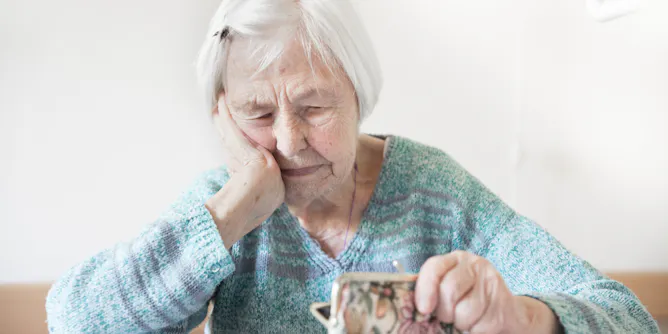
Older adults in the UK’s wealthiest bracket are nearly twice as likely to eat well, stay active and avoid depression.
Articles on Health inequality
Displaying 21 - 40 of 98 articles
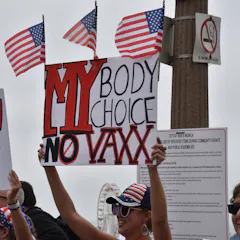
In the United States, the state you live in, how you vote and how extreme your views are can all have an impact on your health and wellbeing. There are also lessons for Australia.
While medical school may teach students about how the body works, it often neglects the social, political and cultural factors that determine health and disease. The humanities can help.
People living in the poorest parts of England were at a more than 70% higher risk of dying from cancer compared to those living in more affluent areas.

While there is no guarantee of warding off cognitive decline, encouraging people to be physically, mentally and socially active could potentially keep a significant number of dementia cases at bay.
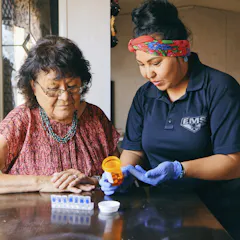
Native Americans sent to government-funded schools now experience significantly higher rates of mental and physical health problems than those who did not.

Despite claims that lowering speed limits will harm the economy, evidence suggests journey times are hardly affected. And beyond reducing the road toll, there are health and climate benefits, too.

Government intervention is urgently needed to offset the likely health crisis looming from the increased energy costs.
The public expects transparency about politicians’ earnings, but it’s not the only area where elite groups have an advantage.
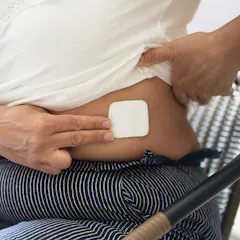
Regan, England’s first women’s health tsar, has her work cut out for her.

People living in poverty or disadvantage are three times more likely to die from COVID than the wealthy.
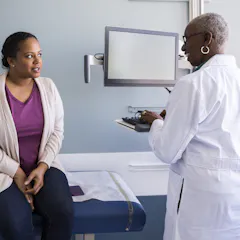
Black American women have disproportionate HIV infection rates – in part because of systemic and structural racism in the health care system.

To get more workers to be active, public health messaging must recognize the important role employers can play in creating the conditions for workers to focus on exercise.

Rapid antigen testing might be convenient. But high prices for home kits will put people off, compounding disadvantage.
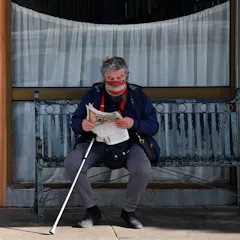
As lockdowns ease and those who are double-vaccinated gain extra freedoms, we’re likely to see a greater divide between the rich, who tend to have higher vaccination rates, and the poor.

More houses of worship are offering mental health programs, especially African American congregations.

It’s been argued that pandemics are the great leveller, but with COVID the opposite is true – and we can’t afford to ignore it.

Spending time in nature is an essential resource for mental wellbeing, but lockdown increased existing inequalities in the way our green spaces are used - and who is able to benefit from them.

The announcement of a new Māori health authority could radically transform health outcomes for Māori, but its success depends on how independent and accountable it will be.
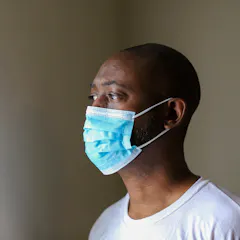
The government should look beyond traditional socioeconomic arguments for why some patients are at greater risk.
Top contributors
-

Wellcome Multimorbidity PhD Fellow & Public Health Registrar, University of Glasgow
-
Professor of Public Health, Newcastle University
-
Adjunct Associate Professor, Menzies Centre for Health Policy and Economics, University of Sydney
-
University of Chester
-
Honorary Enterprise Professor, School of Population and Global Health, and Department of General Practice and Primary Care, The University of Melbourne
-
Associate Professor in Public Health at University of Limerick, University of Limerick
-
Senior Lecturer in Applied Public Health, University of Liverpool
-
Lecturer in Global Health, UCL
-
Honorary Research Fellow, City Political Economy Research Centre, City St George's, University of London
-
Senior Clinical Lecturer in Public Health, University of Liverpool
-
Resident, Neurosurgery, University of Florida
-
Professor Pharmacy Practice & School of Public and Community Health Sciences, University of Montana
-
Assistant professor, Dartmouth College
-
Assistant professor of Neurosurgery, University of Florida
-
Professor of Psychiatry and Medical Ethics, Baylor College of Medicine, Harvard University