
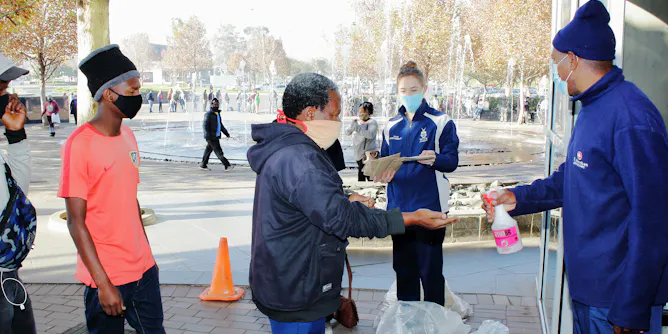
As lockdown restrictions are relaxed, it is key to continue high-impact non-pharmaceutical interventions that will not impede economic activity, but limit the spread of COVID-19.
Articles on Handwashing
Displaying 21 - 40 of 67 articles
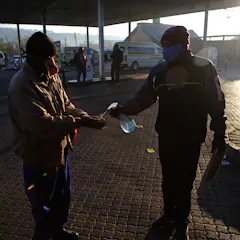
Hand hygiene is a critical part of the response to COVID-19. Washing hands at regular intervals during the day is essential. If water and soap are unavailable, hand sanitisers are an alternative.
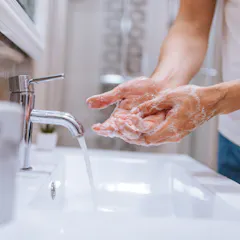
We’re cleaning and washing our hands perhaps more than we ever have before. But suggestions that all this this extra hygiene could weaken our immune systems are unfounded.
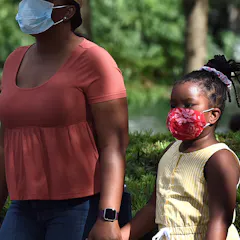
It’s easier said than done, acknowledges a nursing professor with four children. But it’s going to be necessary during the coronavirus pandemic.
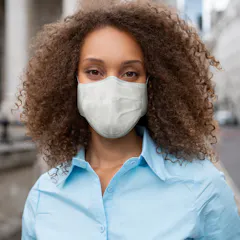
Masks are only effective if you follow certain principles when wearing them.
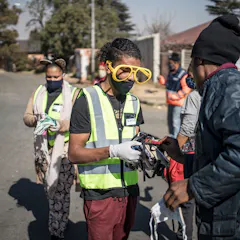
Changing social norms in a short amount of time is difficult, and a one-size-fits all policy is unlikely to have the desired effect.
Having the right equipment is not enough – getting health workers to use it is also a challenge.
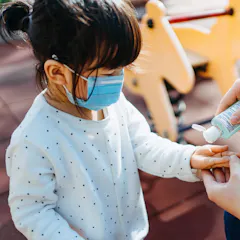
With COVID-19 cases rising in more than half of the states, the next two weeks are critical for stopping a spike in cases. An epidemiologist reminds us to get back to the basics now.
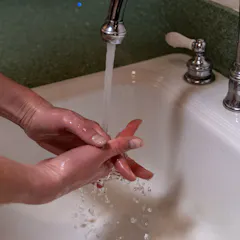
Even in hospitals, where hand hygiene is vital, staff don’t always remember to wash their hands. What hope is there for the rest of us? Thankfully, research on handwashing behaviours has some answers.

If you’re lucky enough to be able to afford a ski trip, expect it to look different this year. Some extra planning, however, can lower the coronavirus risk to you, your loved ones and the community.
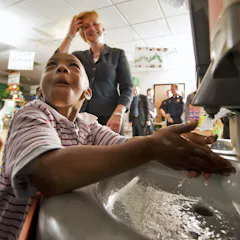
Policymakers need to figure out ways to sustain the behaviors that are helping flatten the curve as cities begin to end their lockdowns.

All states have relaxed social distancing to some degree, but there are few consistent guidelines for people to know how to stay safe. A doctor who specializes in immunology tells what he will do.
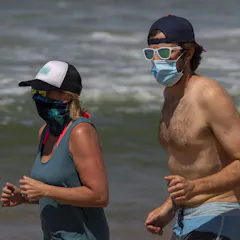
Without clear guidelines from states or the feds on how to stay safe after reopening, it’s hard to know what to do. A doctor suggests things to consider in a park, at the beach and the pool.

With hand-washing top of mind, soap is an integral part of keeping clean. But people through the ages relied on earlier forms of soap more for cleaning objects than for personal hygiene.
With no place to wash hands and nowhere to physically isolate, many poor Indonesians are incredibly vulnerable as COVID-19 sweeps through the global south.

After the Covid-19 pandemic, we must seize the opportunity to make urban centers more livable places by investing in affordable housing, basic services, clean energy and active transport.

Policymakers need to figure out ways to sustain the behaviors that are helping flatten the curve as cities begin to end their lockdowns.
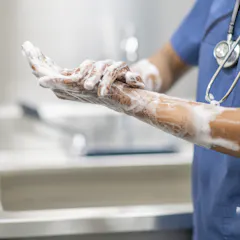
A Hungarian obstetrician was the first to nail down the importance of handwashing to stop the spread of infectious disease.
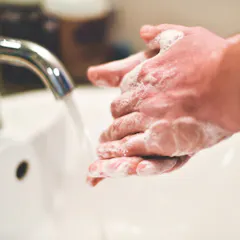
You can prevent your skin becoming dry and inflamed with some simple steps. And if you do develop dermatitis, it’s important to seek early medical help.
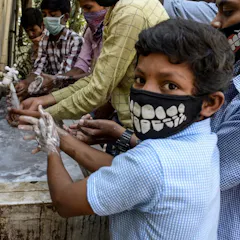
In India handwashing practices have come under scrutiny as millions of Indian poorest return home from major cities. Many do not have access to basic amenities.
Top contributors
-

Doctoral Candidate in Microbiology, University of Oregon
-
Senior Research Fellow, School of Medicine, The University of Western Australia
-
Professor of Economics and Psychology, Carnegie Mellon University
-
Professor of Psychology, Carnegie Mellon University
-
Senior researcher and Health Economist, Health Economics and Epidemiology Research Office, Wits Health Consortium, University of the Witwatersrand
-
Senior Lecturer, Department of Economics, University of the Western Cape
-
Professor of Medicine, University of Virginia
-
Clinical Assistant Professor of Nursing, Purdue University
-
Medical Epidemiologist , Washington State University
-
Visiting Lecturer of History, Georgia State University
-
Research Officer, Kenya Medical Research Institute
-
PHD student in Demography, Université de Strasbourg
-
Executive Director, Global Nexus and M.G. DeGroote Institute for Infectious Disease Research, McMaster University
-
Assistant Professor of Early Christian History and Literature, University of British Columbia
-
Professor of History, Mississippi State University