
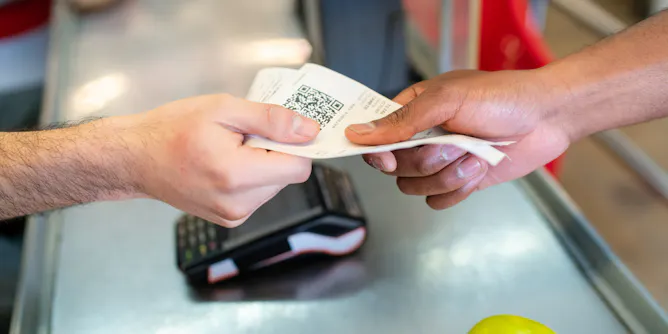
For most people, handling receipts is a low-risk activity, but if you’re concerned, there are some straightforward precautions you can take.
Articles on Grocery stores
Displaying 1 - 20 of 46 articles
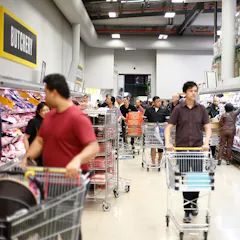
The election has produced competing prescriptions for NZ’s grocery market – each targets a different barrier to genuine competition.

Small stores, local produce and the return of the personal shopping assistant: supermarkets are starting to look like they did in the 1800s.
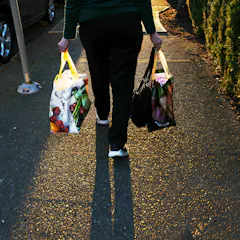
The idea of government-run grocery stores is gaining traction in Canada and the United States. But evidence suggests the costs would be steep and the benefits poorly targeted.

Stories of Florida’s immigrant entrepreneurs show how immigrants find opportunities and fill economic gaps.

The scanning of a package of gum in an Ohio grocery store in 1974 marked the beginning of an era.

Consumer psychology can help explain why boycotts sometimes fail, as well as help predict when they are likely to succeed.

Although it’s rooted in legitimate grievances, the ‘Steal from Loblaws Day’ campaign is not only illegal, but also fails to achieve its intended objective and risks undermining economic stability.

New research suggests educators can play a crucial role in changing attitudes and actions about food waste and equip future marketing professionals with the tools to tackle sustainability challenges.
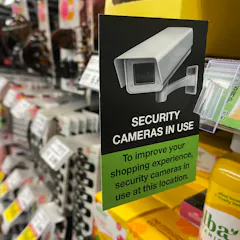
The food theft crisis is framed as a threat to paying customers. This furthers the divide between those who can still afford groceries and those who cannot.

Pared-down packaging designs send a subtle yet powerful message of purity to shoppers – and they’re willing to fork over more cash for these goods, regardless of the actual number of additives.

Once a cornerstone for many food retailers, brand loyalty is eroding as consumers prioritize cost savings over long-term brand relationships.

As Canada embarks on its post-pandemic economic recovery, policymakers must ensure economic resilience and inclusiveness while preventing existing monopoly issues from worsening.

We need a comprehensive code of conduct that ensures the long-term sustainability of the industry, while also protecting consumers in the event of future supply imbalances.
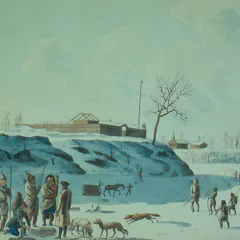
A public relations move by Loblaw Companies is just the latest in a long line of big business antics stretching back to pre-Confederation fur trade in Canada.
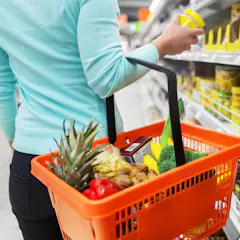
The size of food images on product packaging plays a key role in exacerbating diet-related illnesses and obesity.

Climate change has a clear link to rising foodborne illnesses. Blackouts during heat waves and wildfires are a growing part of the problem.

A suspect apparently motivated by a white supremacist agenda shot dead 10 shoppers. Analysis shows that mass shootings – and those at grocery stores – are on the rise.

Grocers must find a way to add value and affordability for consumers.
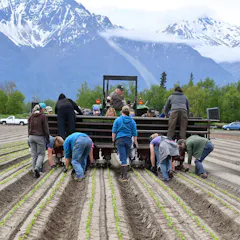
Homegrown tomatoes and corn in Alaska? Climate change could make it possible in the 2030s and ‘40s – a rare silver lining for this fast-warming state.
Top contributors
-

Director, Agri-Food Analytics Lab, Professor in Food Distribution and Policy, Dalhousie University
-
Professor, Food Economics, University of Guelph
-
Assistant Professor, Faculty of Business, University of New Brunswick
-
Professor of Marketing and Consumer Behaviour, Queensland University of Technology
-
Marketing Professor
-
Director of the Arrell Food Institute and Professor in the Dept. of Geography, Environment and Geomatics, University of Guelph
-
Professor, Department of Food Science, University of Guelph
-
Associate Professor, Hill and Levene Schools of Business, University of Regina
-
Senior Lecturer in Operations and Supply Management, University of Bath
-
PhD Student, Social Anthropology, Dalhousie University
-
Associate Professor - Arrell Chair in Food Quality, University of Guelph
-
Professor at UTS Business School; Centre for Climate Risk and Resilience, University of Technology Sydney
-
Professor and Associate Dean of Engagement & Inclusion, Ted Rogers School of Management, Toronto Metropolitan University
-
Research assistant professor, University of Alaska Fairbanks
-
Associate Professor of Psychology, University of Pittsburgh