

High food prices are a systemic issue, and government should prioritize strengthening food system infrastructure rather than opening public grocery stores.
Articles on Grocery industry
Displaying all articles

The new Grocery Code sets guidelines for retailers and suppliers, introduces a formal dispute resolution mechanism and may indirectly benefit consumers.

We need a comprehensive code of conduct that ensures the long-term sustainability of the industry, while also protecting consumers in the event of future supply imbalances.

The size of food images on product packaging plays a key role in exacerbating diet-related illnesses and obesity.

High food prices are exposing yet another risk of our hyper-concentrated global food system and strengthening the case for more diversified and decentralized alternatives.
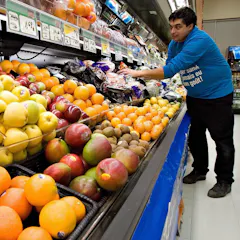
If Canada wants to expand its middle class by substantially improving working conditions in sectors like retail, it must fundamentally reform its labour laws to be similar to Sweden’s.
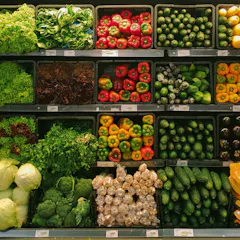
Food is essential to survival. It is also essential to identity. During times of national crisis like the coronavirus pandemic and in the historical landscape, food issues become prominent.

According to a recent report, 30 per cent of web-browsing sessions will soon be done without a screen. Voice-enabled searches are becoming the norm, and that’s a problem for the food industry.
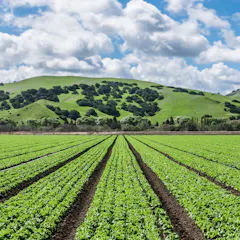
With Walmart bringing blockchain technology to its grocery stores, other retailers will soon have to get on board.

Every now and then, Canadians will take a stand against the U.S. by choosing Canadian items over American ones at the grocery store. Unless they cost more – and most often, they do.

New technologies do not discriminate between the promotion of a healthy or unhealthy diet. It’s how we apply them that matters.
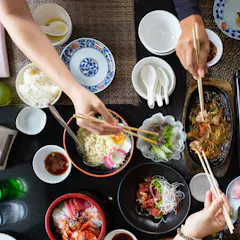
Restaurants are playing an increasingly influential role in how we live. We not only patronize them more often, they also influence our choices at the grocery store.

Canada’s bricks-and-mortar grocery stores are in trouble due to stagnant food prices and changing consumer preferences. More grocery store closures are likely on the horizon.

Loblaws’ reputation has taken a hit following the bread price-fixing scandal. But will it do prolonged damage to Canada’s biggest grocery chain?

Canadians are increasingly invested in their food – where it comes from, how it’s produced, and whether it’s healthy. Here are some predicted food trends for 2018.
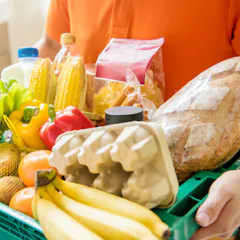
Online grocery shopping is a potential growth area for Canadian grocery chains. Yet Canadians are proving to be lukewarm about buying groceries online, preferring to shop in stores.
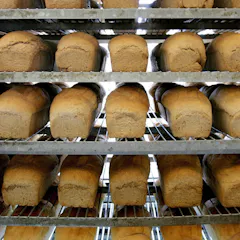
Canadian consumers could benefit from the Competition Bureau’s investigation into the so-called bread cartel, but not in a way they think. Here’s how.
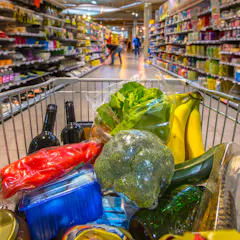
The “grocerant” model is going mainstream, and it’s not just because of millennials. A wide swath of consumers from different demographics are demanding the convenience of a grocery store/restaurant.
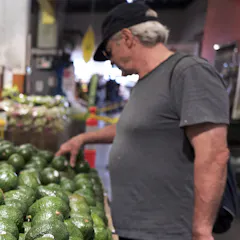
Amazon has pledged to continue slashing prices at Whole Foods now that it’s acquired the organic food mecca. Will that mean more affordable organic food for more people – delivered overnight?
Top contributors
-

Director, Agri-Food Analytics Lab, Professor in Food Distribution and Policy, Dalhousie University
-
Professor, Food Economics, University of Guelph
-
Professor, Dept of Food, Agricultural and Resource Economics, University of Guelph
-
Associate Professor in Hospitality, Food and Tourism Management, University of Guelph
-
Marketing Professor
-
Assistant Professor, Labour Relations, McMaster University
-
Professor, Operations and Supply Chain Management, University of Calgary
-
Assistant Professor, Food Security and Sustainable Agriculture, Dalhousie University
-
PhD Candidate in Public Health Sciences, University of Toronto
-
Assistant Professor, Eakin Chair in Critical Qualitative Health Research Methodology, University of Toronto
-
Co-Director, Global Centre for Preventive Health and Nutrition, Deakin University
-
Professor, Antai College of Economics and Management, Shanghai Jiao Tong University
-
Professor of History, University of Regina