
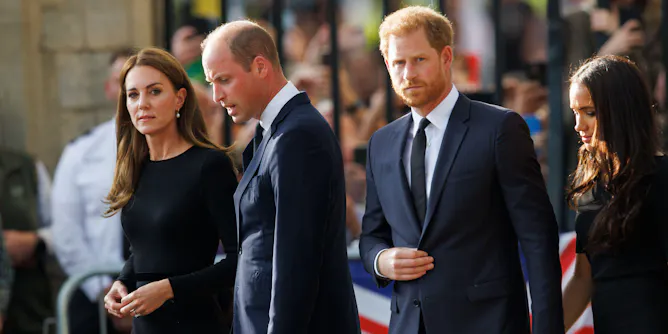
The death of the Queen may turn people’s minds to the loss of their own grandparents, or how the younger royals will cope.
Articles on Grief
Displaying 121 - 140 of 233 articles
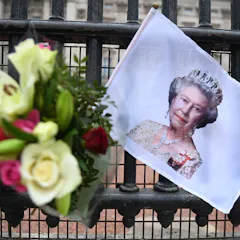
Grieving the queen’s passing can be different to grieving the loss of someone we were close to. It’s also complicated by politics, colonialism and the contest about who she really was.
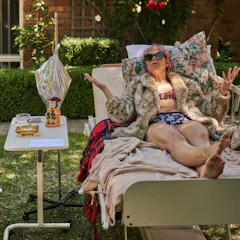
Grief is messy, surprising, revealing and honest at different times and all at once. Here, it is also funny.
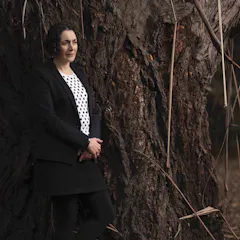
The science tells us this is our last chance to avert planetary disaster. Accepting our feelings of intense loss – for ourselves and the Earth – can propel us into action, writes Joelle Gergis.
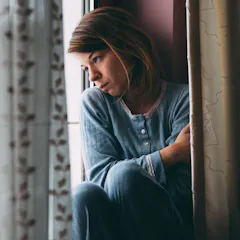
In men alone, the risk of being hospitalised due to suicidal behaviour one year after losing a parent was 218% greater than in people who hadn’t lost a parent.
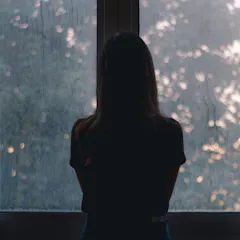
An expert on grief says give people space and time to come to terms with loss and don’t expect them to need – or want – ‘closure.’

As late as 1970, only about 5% of Americans chose to be cremated. In 2020, more than 56% Americans opted for it.

Death creates grief and sometimes grief overwhelms good sense and creates greed leading to disputes. Making a will is the best way to smooth the process of transferring your estate once you die.

COVID-19 deaths tend to be more unexpected and traumatic than other types of deaths. A sociologist explains the mental health burdens facing the millions who’ve lost a relative to the coronavirus.
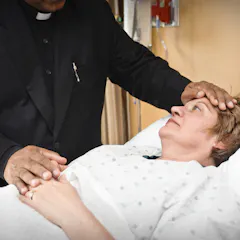
Terminally ill patients who seek an assisted death have no desire to end their life. Calling their decision ‘assisted suicide’ can have harmful consequences.
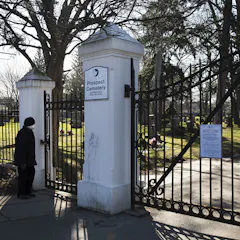
The pandemic has forced people to discover new ways of maintaining connection with one another and to consider their own mortality — obituaries played a part in making this easier.
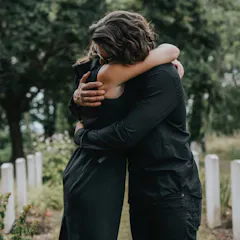
We have also lost moments of shared empathy – a space for others to see people who are travelling the same path.

Designing a memorial that helps the community grieve and heal is no easy task.

People who are directly affected by mass shootings may develop PTSD and depression. But those who are indirectly exposed to these tragedies can also experience profound and long-lasting grief.
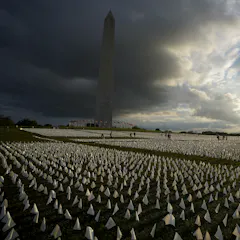
The Civil War – the second-most-deadly event in US history, just behind COVID-19 –contributed to lasting changes in how Americans care for the dead.

Necessary public health protections have affected people’s access to dying loved ones, limited their participation in important rituals, and reduced their social support.

Our health-care system needs to respond in a more just, inclusive, caring and timely way to allow in-person final goodbyes from those who matter most to those at the end of life.
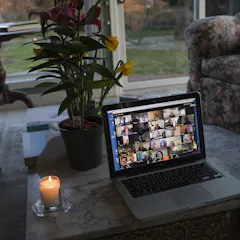
A scholar conducted over 70 hours of interviews with people involved in the medical and funerary professions to understand the impact of changes in death rituals during the pandemic.

Writing can help work through some of the emotions and boost wellbeing.
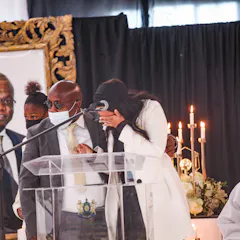
Behind the statistics are real people with real life stories of illness, death, disruption, sorrow and even despair.
Top contributors
-

Reader in Education with Psychology and Centre for Death and Society, University of Bath
-
Professor of Social Work, CQUniversity Australia
-
Honorary Research Fellow, Director of Bereavement Services Counselling & Mental Health Clinic, York St John University
-
Lecturer in Sociology, Deputy Director of the Centre for Ageing and the Life Course, University of Liverpool
-
Professor of Psychology, Curtin University
-
Professor, Social Work, University of Waterloo
-
Emeritus Professor of Creative Writing, The University of Melbourne
-
Professor of Classical Studies, Brandeis University
-
Lecturer, The Cairnmillar Institute Melbourne, La Trobe University
-
PhD Candidate, Creative Writing, The University of Melbourne
-
Professor of Sociology, Drake University
-
Personal Chair, Literary Studies, Deakin University
-
Associate Professor, School of Social Work, Lakehead University
-
Dean's Professor of Sociology and Professor of Spatial Sciences, USC Dornsife College of Letters, Arts and Sciences
-
Counseling Psychologist, Catholic University of Eastern Africa