
The aim was to understand intense social problems that accompany people’s medical problems.
Articles on Grief
Displaying 181 - 200 of 233 articles
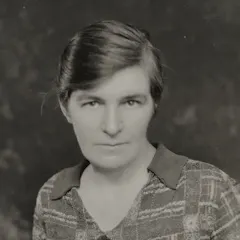
An anthology of Victorian women poets is a window into their thoughts and feelings during the first world war.
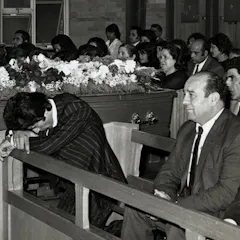
Rarely seen in the family album are photographs of funerals, burials and the suffering of those who are left to mourn.

With digital immortality comes fear of digital erasure from those who treasure messages and photos of dead loved ones.
When it comes to helping students who’ve lost a loved one, educators often don’t know what to do or say. A pediatrician offers insights on how schools can support children in grief.
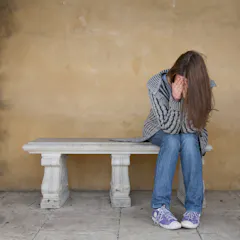
How do women decide whether – and what – to say about their pregnancy loss experiences on social media?

The process of grieving can happen in stages. But these stages are rarely experienced in the same way by one bereaved person and another.

The ability to help save other babies’ lives can make recovering from a big loss easier.

It’s important to make genuine room for children in discussions about death, ritual planning and meaning-making.

A growing body of evidence points to how animals are aware of death, can experience grief and will sometimes mourn for or ritualize their dead.
Academic research brings people close together as they collaborate on shared goals and projects that often last decades. Saying goodbye to a collaborator can be as hard as saying goodbye to family.
It’s hard to know where to start. But using the right language can help.

Why it’s okay to use social media to mourn.
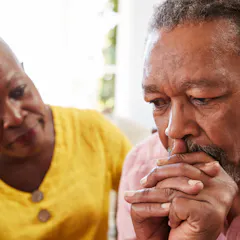
Survivors of those who have died by suicide have special needs that many people do not quite understand. An expert in grief offers ways to be a helpful, healing presence and avoid saying things that will hurt.
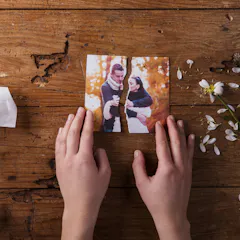
The only way to get through a breakup is to experience your emotions, but not brood on them.
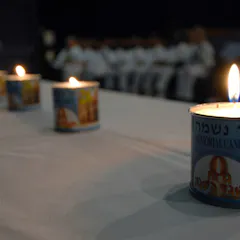
Remembrance days and memorials provide people the opportunity to share stories with a community. An expert explains how that can make a difference.

Bereaved families strive to comprehend that there is nothing they could have done to prevent the death of their loved one. Viewing the crime-and-accident scene images can offer a path to healing.
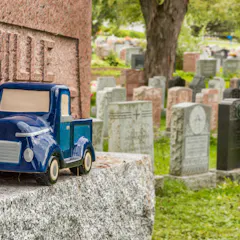
The ritual might seem strange, but a sociologist spent eight years studying it – and found that there really is a therapeutic benefit.
When a patient dies, grieving family and friends too often languish in neglect.
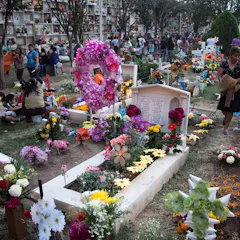
Many in the Western world lack the explicit mourning rituals that help people deal with loss. On Day of the Dead, two scholars describe ancient mourning practices.
Top contributors
-

Reader in Education with Psychology and Centre for Death and Society, University of Bath
-
Professor of Social Work, CQUniversity Australia
-
Honorary Research Fellow, Director of Bereavement Services Counselling & Mental Health Clinic, York St John University
-
Lecturer in Sociology, Deputy Director of the Centre for Ageing and the Life Course, University of Liverpool
-
Professor of Psychology, Curtin University
-
Professor, Social Work, University of Waterloo
-
Emeritus Professor of Creative Writing, The University of Melbourne
-
Professor of Classical Studies, Brandeis University
-
Lecturer, The Cairnmillar Institute Melbourne, La Trobe University
-
PhD Candidate, Creative Writing, The University of Melbourne
-
Professor of Sociology, Drake University
-
Personal Chair, Literary Studies, Deakin University
-
Associate Professor, School of Social Work, Lakehead University
-
Dean's Professor of Sociology and Professor of Spatial Sciences, USC Dornsife College of Letters, Arts and Sciences
-
Counseling Psychologist, Catholic University of Eastern Africa