
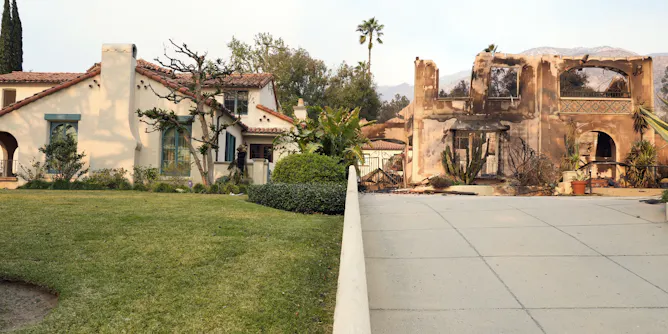
Hedges and trees may actually reduce home exposure to radiant heat and flying embers, but they must be well maintained. Two scientists who study how plants burn explain.
Articles on Greater Los Angeles wildfires
Displaying all articles

It starts with better building policies that recognize future risks, but there are many other important steps.
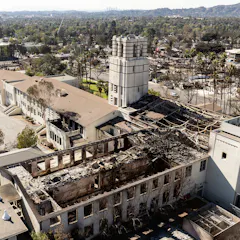
As students and teachers return to school after the fires, educators will have to focus on emotional rehabilitation before academic recovery can begin.
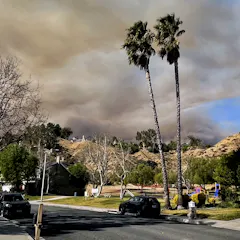
The LA wildfires stand as a reminder that evacuating fast in the face of a disaster isn’t easy, even when you think you’re prepared.
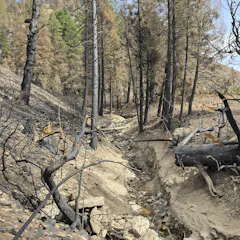
Debris flows can move with the speed of a freight train, picking up and demolishing anything in their path.
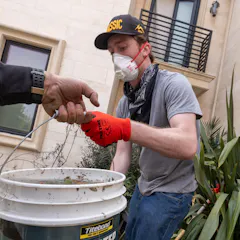
In emergencies, when every minute counts, research shows family, friends and neighbors are often saving lives. These local efforts go uncounted, yet they’re crucial.
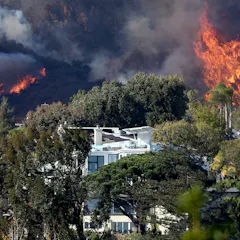
In many parts of the US, Americans must learn to live with fire. That means careful decisions on where homes are built and what’s around them, and allowing more low-risk fires to burn.
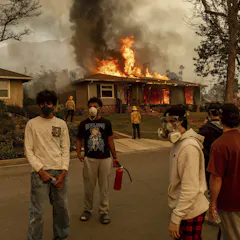
Human bodies aren’t prepared for the toxic chemicals in smoke, and the effects can be harmful in the short term and long term.

The Los Angeles fires may be the most costly natural disaster in US history. An expert on safety, risk reduction and complex systems calls for a blue-ribbon commission to analyze their causes.
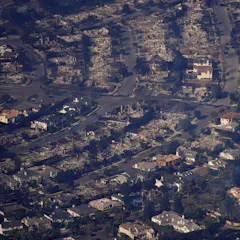
During an emergency event, clear communications are essential for ensuring safety. False alerts, like the one sent out on Jan. 9 in Los Angeles, can contribute to confusion and anxiety.
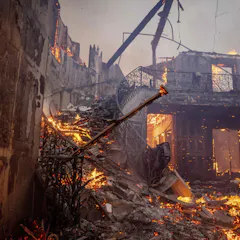
The causes of the wind-driven fires that burned thousands of homes in the Los Angeles area are under investigation, but there were no lightning strikes reported at the time.
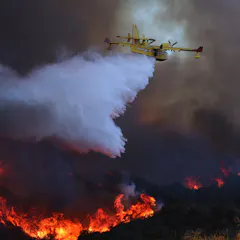
In emergencies, dumping ocean water on fires may be the best option. But seawater can have long-term effects on equipment and ecosystems, as a novel coastal experiment shows.
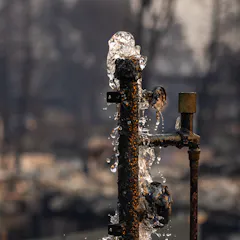
Fires can make drinking water, and the water pipes and tanks themselves, unsafe. A researcher who has worked with communities after several wildfires explains why, and what to do.
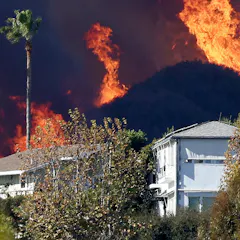
The state is seeing a sharp water divide this year, with lots of rain in the north while the south has stayed dry. A hydrologist explains what’s happening.
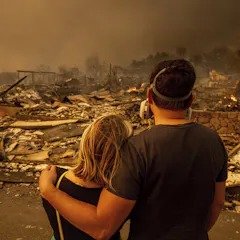
Where people live today also makes a difference when it comes to fire risk.
Top contributors
-

Associate Professor of Disaster and Emergency Management, York University, Canada
-
Professor of Engineering and International Relations, University of Southern California
-
Graduate Student, Disaster and Emergency Management, York University, Canada
-
Clinical Assistant Professor of Education, Health and Behavior Studies, University of North Dakota
-
Associate Director of Research, Smithsonian Environmental Research Center, Smithsonian Institution
-
Postdoctoral Researcher, The Resilience Institute at Boise State University, Boise State University
-
Professor of Marketing, University of Montana
-
Research Ecologist, USGS; Adjunct Professor, University of California, Los Angeles
-
Professor of Civil, Environmental and Ecological Engineering, Purdue University
-
Professor of Geosciences, Boise State University
-
Director, Disaster Research Center and Professor, Public Policy & Administration, University of Delaware
-
Professor of Sociology and Director, Disaster Research Center, University of Delaware
-
Senior Research Hydrologist, University of California, San Diego
-
Interim Earth Lab Director, University of Colorado Boulder
-
Assistant Professor of Management, University of San Diego