

Beyond the damage to workers or employers, revenge quitting is a sign of serious problems in a workplace
Articles on Great resignation
Displaying 1 - 20 of 25 articles

Unprecedented inequality and other geopolitical risks are causing an increase in revenge quitting and similar behaviours.

Could the adverse effects of anti-work rhetoric spread beyond one’s own job perception? A sociologist’s recent research sheds light on the question.

Workers in Australia didn’t resign from their jobs in the wake of COVID, but they did burn out. A new survey found some solutions.

Flexible working can bring people autonomy and joy, but so can feeling part of a team at the office.

Research shows that workers rarely call out unethical behavior or even just operational problems, in large part because they fear serious consequences.

The surveyed Australians who changed jobs in 2021 switched for less than if they had stayed.

We have fewer workers changing jobs and fewer new firms than we used to.

The mental health benefits of quiet quitting could make you a better employee and a happier person.

9.5% of Australian workers switched jobs in the past year, up from 7.5%.

Starbucks Workers United has already organized 146 locations in about six months. While that’s a fraction of Starbucks’ 9,000 US stores, it’s one of the most successful labor campaigns in decades.

300,000 more workers in this age group in UK are now economically inactive, pointing to a major challenge for the government.

Two scholars of corporate do-goodery suggest a hidden driver of corporate decisions to leave Russia is the global trend in which record numbers of workers are quitting their jobs.

Workers have been quitting more than ever. But where are they going?
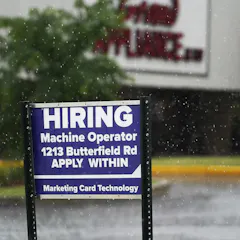
While the uptick in the unemployment rate in January may seem like bad news, the reason it rose actually shows the labor market returning to normal.

New research shines light on what is driving hospitality workers – like waiters and hotel workers – to abandon the industry as part of the ‘great resignation.’
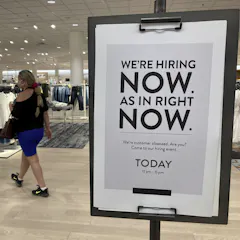
While the numbers of people quitting their jobs in 2021 are higher than normal, a closer look at all the existing data suggests the current trend isn’t as dramatic as news headlines imply.

The passion paradigm can fuel demands for better, more meaningful work, but this is only possible when it’s accompanied by a strong social safety net.

The narrative of the Great Resignation is that workers hate their jobs and are desperate to quit. The data tells a somewhat different story.

The flipside of workers quitting or changing jobs during the pandemic is a huge new talent pool in the market – are employers and recruiters ready to make the most of it?
Top contributors
-

Professor of Economics, University of Essex
-
Professor of Sociology and Canada Research Chair, University of Toronto
-
Assistant Professor in Economics, University of Essex
-
Assistant Professor of Economics, University of Essex
-
Professor of Sociology and Founding Director of The Future of Work Lab, Podcast at MissPerceived, The University of Melbourne
-
Assistant Professor of Hospitality Management and Director of Research, Florida International University
-
Adjunct Fellow in Economics, Macquarie University
-
Dean's Chair in Management and Māori Business, Te Kunenga ki Pūrehuroa – Massey University
-
Associate Professor of Consumer Behavior, Auburn University
-
Assistant Professor of Hospitality Management, University of South Florida
-
Visiting Fellow and Director – Micro heterogeneity and Macroeconomic Performance program, Crawford School of Public Policy, Australian National University
-
Professor of Economics, University of Nebraska Omaha
-
Dean of the Paul Merage School of Business, University of California, Irvine
-
Professor of Business Administration, University of Virginia
-
Professor and Director of Labor and Employment Studies, San Francisco State University