
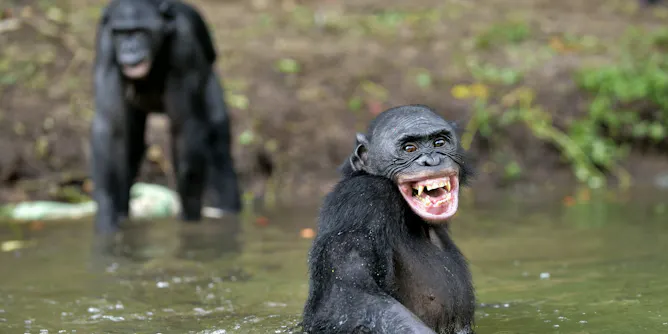
A new study of great ape laughter also gives clues about how humans’ ancient ancestors started speaking.
Articles on Great apes
Displaying 1 - 20 of 28 articles
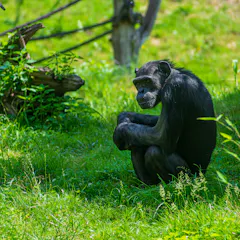
A database of great ape research promises to unlock deeper understanding of their cognition, intelligence and social behaviour.

Compared to other great apes, human penises are mysteriously large, hinting they act as a signal to mates.

Great apes are hugely popular with the public at zoos, but a dark illegal trade is affecting the survival of these much-loved animals.
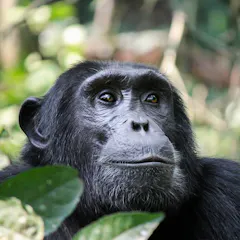
The plants chimpanzees use to treat their wounds have been found to have medicinal properties.
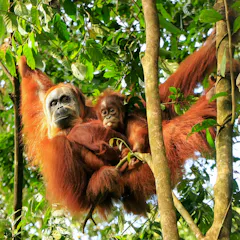
Recursion was thought to be a unique feature of human language.
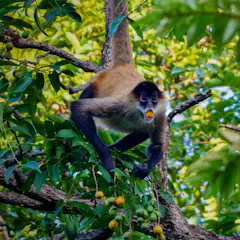
Evidence is increasingly showing how ethanol is naturally present in sugary food.
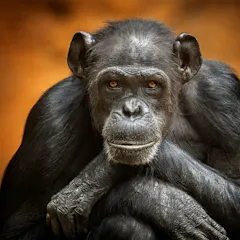
Plans to give great apes personhood are long overdue - but they could set back animal rights for other species.
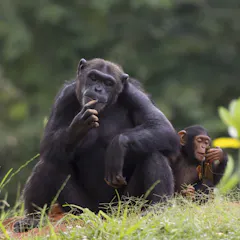
New research reveals that the human heart has evolved distinct structural and functional traits that set it apart from our closest great ape relatives.
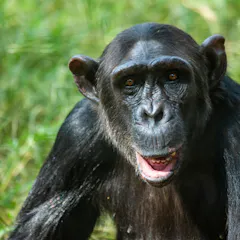
Why wild chimpanzees end up as pets and how we can keep them in the wild.
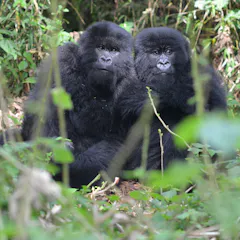
In many animals, including humans, adverse events in youth have lasting negative health effects over the life span. But new research suggests something different is going on in mountain gorillas.

Orangutan mothers use a range of techniques to teach their offspring up the age of five - but their tolerance for sharing their food only lasts so long.

People can still learn a great deal about these mammals while keeping a safe distance.
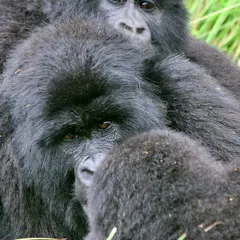
COVID-19 could potentially be harmful for endangered great apes.
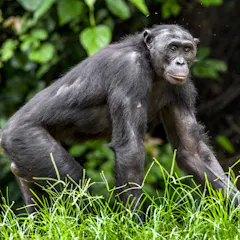
Bonobos may be the most promiscuous species on the planet. From meddling mothers to feeding ground excitement, their sex lives are unique in the animal world.

Human-to-ape disease transmission is thought to be a severe threat to the survival of great apes.

Most Americans identify as animal lovers and support either full or partial legal rights for animals.
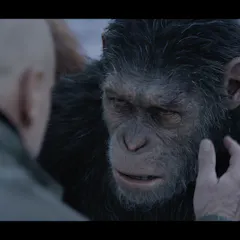
Using real apes and monkeys as actors in film and TV encourages people to see them as pets.

Wild chimpanzees are hard to find, but their DNA – left-behind genetic traces – are opening up a new way of studying them.
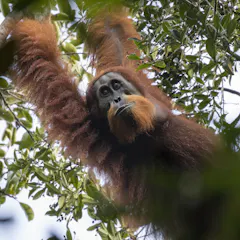
A group of fewer than 800 orangutans in northern Sumatra has been recognised as a new species - and they are already under threat from deforestation.
Top contributors
-

Post Doctoral Research Fellow, University of Warwick
-
PhD Researcher, Plymouth Marjon University
-
Professor of Evolutionary Biology and Science Engagement, University of East Anglia
-
Associate Professor in Animal Ecology, University of Gothenburg
-
Postdoctoral Scientist in Human Paleobiology, George Washington University
-
Professor of Anthropology, Durham University
-
Asso. Professor in Anthropology, University College London, UCL
-
Professor of Communication Studies, Provost's Fellow for Sustainability, Rowan University
-
Associate Professor of Companion Animal Medicine, James Cook University
-
Professor of Bioanthropology, Australian National University
-
Primatologue, Maitre de Conférence du Muséum National d'Histoire Naturelle au Musée de l'Homme et Vice-President de la Société Francophone de Primatologie (SFDP), Muséum national d’histoire naturelle (MNHN)
-
Visiting Research Fellow in Biological Anthropology, Oxford Brookes University
-
Researcher, University of Copenhagen
-
Lecturer in Wildlife Conservation
-
Australian National University