
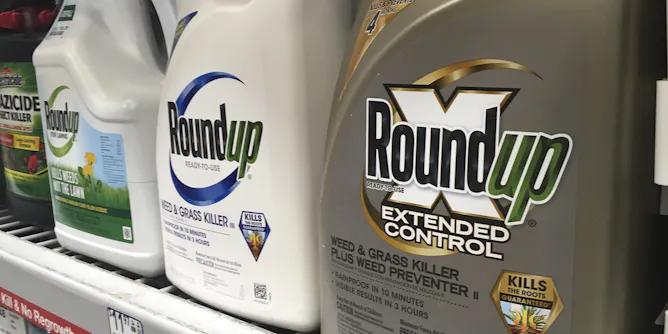
The U.S. Supreme Court’s decision on glyphosate relieves the sellers of hundreds of pesticides from obligations to warn customers about potential dangers.
Articles on Glyphosate
Displaying 1 - 20 of 25 articles
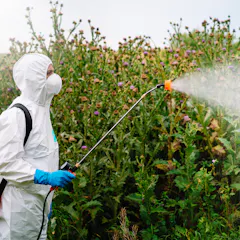
New Zealand’s approval of Roundup is based on reviews shaped by Monsanto. But one has now been retracted and others are under investigation.
A case involving the potential dangers of glyphosate, the active ingredient in the weed killer Roundup, relates to broader efforts to protect consumers.

A case involving the potential dangers of glyphosate, the active ingredient in the weed killer sold as Roundup, could affect broader consumer-protection efforts.
The recent retraction of peer-reviewed research claiming glyphosate is safe confirms what Indigenous communities have said for years.
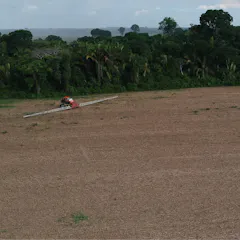
A study argues that the use of glyphosate produces a slow form of chemical violence that suffocates people, ecosystems and ways of life. This violence forces riverside communities to leave and makes way for soya to advance.
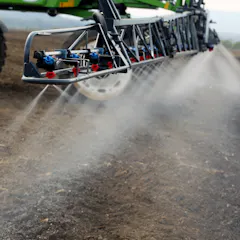
A recent study of nearly 200 European wheat farms found 73 different pesticides – including in organic fields.
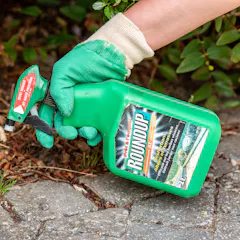
The Federal Court has dismissed a class action against the makers of Roundup, saying there’s not enough evidence the active ingredient, glyphosate, causes cancer.
If you’re worried about pollution in the air we breathe, water we drink and food we eat, take time out to explore the evidence of harm and digest some practical advice on how to reduce your exposure.
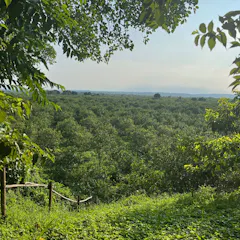
Mexico waffles on glyphosate ban but support for Agroecology stays strong.
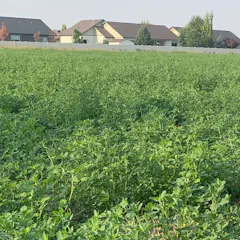
New research provides evidence for the first time that the primary chemical in Roundup is reaching people in nearby homes, and it isn’t just from the food they eat.

Canada is long-overdue for scientifically-driven, robust and transparent pesticide regulation. A newly created Science Advisory Committee aims to address this.
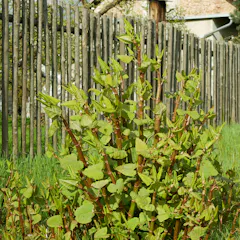
It’s a plant that is nearly impossible to obliterate, but new research reveals the best way of tackling Japanese knotweed in the most sustainable way.
The WHO’s International Agency for Research on Cancer convenes a panel of scientific experts to review available evidence on whether specific chemicals or occupational exposures may cause cancer.
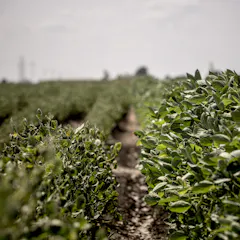
Farmers are stuck in a chemical war against weeds, which have developed resistance to many widely used herbicides. Seed companies’ answer – using more varied herbicides – is causing new problems.
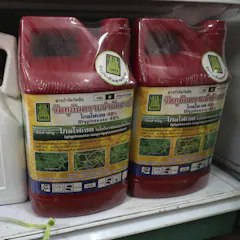
Roundup may be taking a beating in the US, where three juries have concluded that it gave plaintiffs cancer, but it’s still widely used around the globe.

The amount of alcohol you’d have to drink before glyphosate posed even a negligible risk would harm you well before the glyphosate would.
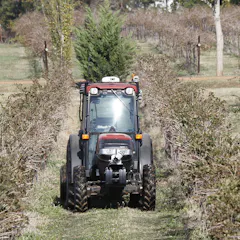
Digital innovations have the potential to empower farmers and revolutionise agriculture, but many could also lock them in to unsustainable methods.
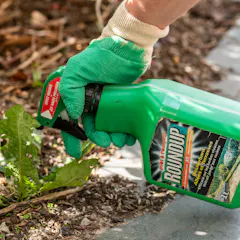
A US court recently ruled the weed killer Roundup contributed to a former gardener’s cancer. Juries don’t decide science. The weight of evidence shows Roundup has little association with cancer.

Bayer, the new owner of Monsanto, will need to up its PR efforts, in the wake of last week’s legal ruling on glyphosate weedkillers.
Top contributors
-

Senior Lecturer in Pharmacology, Adelaide University
-
Professor of Law and Associate Dean for International Affairs, Wake Forest University
-
Professor, Paediatrics and Child Health, UNSW
-
Chercheur en agroécologie, Inrae
-
Associate Professor of Physiology, Millikin University
-
Lecturer in Politics, University of Hull
-
Assistant Professor of Cooperative Extension, University of California, Berkeley
-
Professor of agricultural policy, agroecology and agricultural economics, University of Chapingo
-
PhD Candidate in Science and Society, Te Herenga Waka — Victoria University of Wellington
-
Quantitative ecologist, Inrae
-
Researcher on agroecology, organic agriculture and local markets, University of Chapingo
-
Professor/Professeure titulaire, Eau Terre Environnement Research Centre, Institut national de la recherche scientifique (INRS)
-
Professor, School of Occupational and Public Health, Toronto Metropolitan University
-
Associate Professor and Entomologist, University of Saskatchewan
-
Adjunct Assistant Professor of Ecology, Evolution and Organismal Biology, Iowa State University