
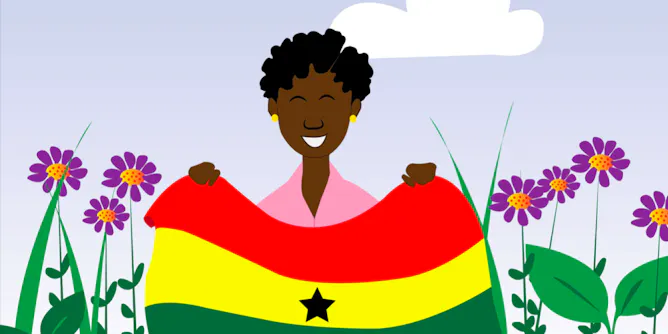
Women who shaped modern Ghana have been erased from history. A children’s book aims to restore them to their rightful place.
Articles on Ghana
Displaying 221 - 240 of 679 articles

Social media use has adversely affected students’ English language learning in Ghanaian schools.
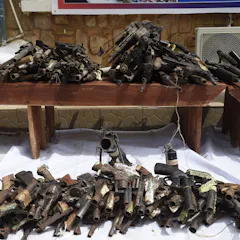
A lack of political legitimacy can lead governments to illegal purchases of small arms and light weapons.
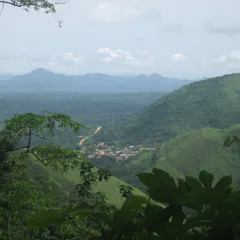
Ghana’s regions have no autonomy, yet creating new ones is contentious as it threatens the interests of chiefs and political parties.

There are many ways in which history teachers can support students in developing curious minds.
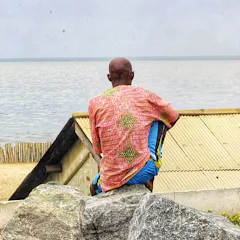
The ban on noisemaking in Accra has been known to cause tension in the city.

A psychologist and a literary scholar analyse Faceless, a powerful novel about homeless children - and their mothers.
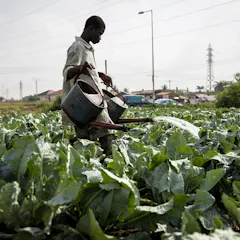
Children working on family farms is often mistaken for harmful child labour.
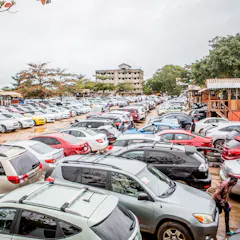
Older imported cars pose risks to motorists and spew pollution. Some countries, including Ghana, are taking steps to limit the harms of this piece of the vehicle life cycle.
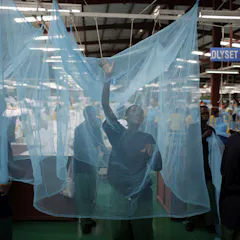
There have been disruptions. But national malaria control programmes have shown impressive resilience.
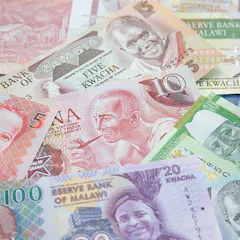
Debt forgiveness isn’t the answer. History is replete with examples of countries that are serial defaulters.
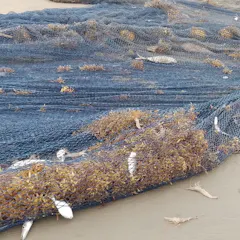
The seaweed invasion of parts of the Ghanaian shoreline is affecting coastal inhabitants.

Ghana needs a more effective approach to juvenile justice reform that considers the long-term impact of detention on youth offenders.
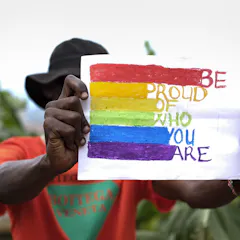
In March, Albanese joined 50,000 people to march in support of queer rights. At the same time, in another part of the world, Uganda passed a string of draconian anti-gay laws.
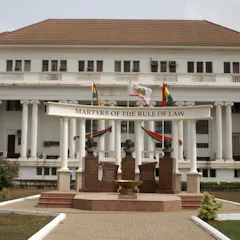
Ghana’s flawed democracy has failed to establish mechanisms to effectively control corruption.

The public bears the suffering and costs of the global epidemic of noncommunicable diseases, and the rapidly accelerating climate emergency.
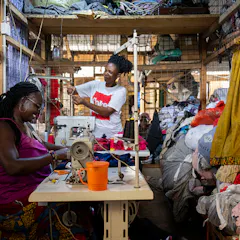
Domestic resource mobilisation cannot be achieved by over-taxing the livelihoods of the most vulnerable workers in the informal sector.
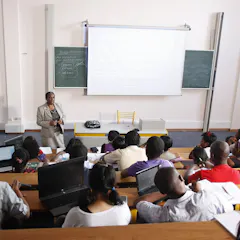
Ghanaian traditional gender norms are the main barrier to Ghanaian women pursuing academic careers.
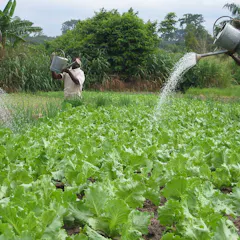
The effect of climate change on established lifestyles of farming communities are varied

Globally, visiting religious destinations and sites for pilgrimage by religious faithful and tourists has gained recognition.
Top contributors
-

Senior Research Associate, University of Oxford
-
Teaching Assistant Professor, University of Pittsburg and Visiting Associate Professor, The University of Osaka, University of Pittsburgh
-
Research Active Lecturer, Discipline of Psychology, Charles Darwin University, Charles Darwin University
-
Associate Lecturer, University of Aberdeen
-
Lecturer in Sustainability and Fellow of Indo Pacific Research Centre, Murdoch University
-
Senior Lecturer, University of Environment and Sustainable Development
-
Associate Professor, Oxford School of Global and Area Studies/ History, University of Oxford
-
Senior Lecturer, Department of Planning, Kwame Nkrumah University of Science and Technology (KNUST)
-
Senior Lecturer, Department of Planning, Kwame Nkrumah University of Science and Technology (KNUST)
-
Professor of Democracy, University of Birmingham
-
Lecturer, Department of Economics, University of Ghana
-
PhD Candidate, University of Memphis
-
Lecturer in Security, Development and Leadership in Africa, King's College London
-
Associate Professor and Director of Christiansborg Archaeological Heritage Project, Associate Graduate Faculty, Rutgers University
-
Senior Research Fellow in Global Health, University of Southampton