
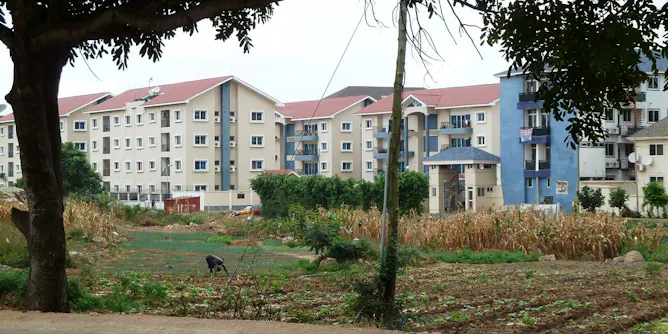
The government of Ghana needs a more creative solution to the problem of advance rent payment
Articles on Ghana
Displaying 381 - 400 of 679 articles
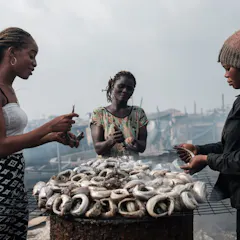
The contributions that women in West Africa’s fisheries make to the sector are widely un(der)paid, undervalued and largely invisible.

The importance of raw cocoa beans to Ghana’s foreign exchange earnings is derailing the development of a viable chocolate industry
Provider burnout is expensive for the health system given its associations with low quality of care, absenteeism, and high workforce turnover.

The COVID-19 vaccination programme requires stringent data collection and transparency.
Colonial powers framed secessionism as a threat to state-building and not as an expression of self-determination

An attempt to prevent fraud in Ghana’s burgeoning mobile money sector could be a setback for access to financial services.
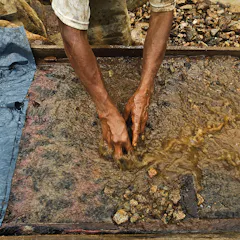
The devolution of small-scale mining decisions to municipal and district assemblies working in collaboration with traditional authorities is key to saving the industry in Ghana.
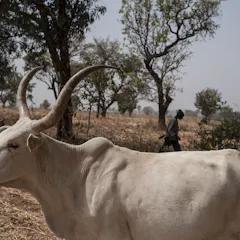
Institutional problems make it difficult to satisfy livestock and crop farmers’ interests, already in contest over agricultural resources.

Authority culpability as a facet of road accidents has been overlooked in Ghana.

The inclusion of new topics in Ghana’s comprehensive sex education curriculum has split opinions among parents.
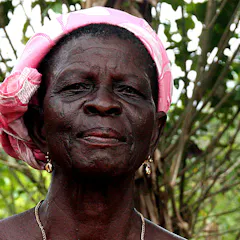
Families in Ghana are struggling to manage the long-term care of ageing relatives.
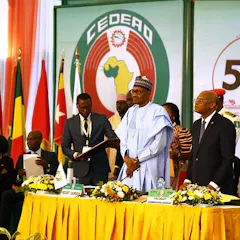
ECOWAS needs to be decisive in enforcing its protocols and sanctioning members that flout the provisions of its protocols and policies.
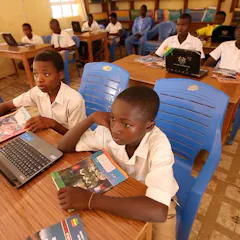
Government has limited resources to improve quality in schools in Ghana.

Electoral disputes and petitions are becoming a prominent feature of the electoral process.

Ghana’s early lockdown strategy impacted an already vulnerable working class.
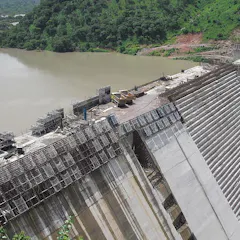
Dam politics have resurfaced in Africa as the continent’s urban population grows.

By looking at the evolving history of the open government data movement, scientists can see both limitations to current approaches and identify ways to move forward from them.
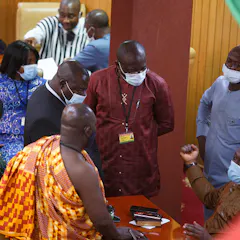
Women MPs point to a toxic environment in which a politics of insults, ridicule and rumour work against having more women in political offices.
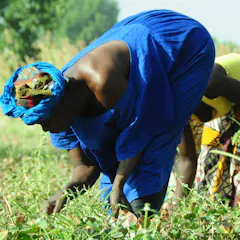
Rural migrant farmers are bearing the brunt of climate change in Ghana
Top contributors
-

Senior Research Associate, University of Oxford
-
Teaching Assistant Professor, University of Pittsburg and Visiting Associate Professor, The University of Osaka, University of Pittsburgh
-
Research Active Lecturer, Discipline of Psychology, Charles Darwin University, Charles Darwin University
-
Associate Lecturer, University of Aberdeen
-
Lecturer in Sustainability and Fellow of Indo Pacific Research Centre, Murdoch University
-
Senior Lecturer, University of Environment and Sustainable Development
-
Associate Professor, Oxford School of Global and Area Studies/ History, University of Oxford
-
Senior Lecturer, Department of Planning, Kwame Nkrumah University of Science and Technology (KNUST)
-
Senior Lecturer, Department of Planning, Kwame Nkrumah University of Science and Technology (KNUST)
-
Professor of Democracy, University of Birmingham
-
Lecturer, Department of Economics, University of Ghana
-
PhD Candidate, University of Memphis
-
Lecturer in Security, Development and Leadership in Africa, King's College London
-
Associate Professor and Director of Christiansborg Archaeological Heritage Project, Associate Graduate Faculty, Rutgers University
-
Senior Research Fellow in Global Health, University of Southampton