
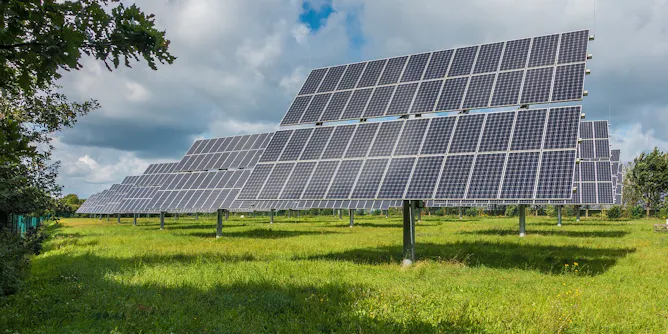
Africa is rapidly expanding electricity generation, but new research shows energy planning must also account for water scarcity and carbon dioxide emissions.
Articles on Geothermal energy
Displaying 1 - 20 of 36 articles

Kenya’s electricity instability is not one problem – it’s an interaction between network capacity and system reliability.
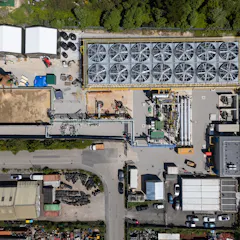
Unlike wind and solar which are weather-dependent sources of renewable energy, geothermal heat can produce energy steadily, day and night, all year round.

New technologies could transform the way we mine – and recycle – critical minerals.

The Earth’s own heat can be brought up from underground and used as a source of energy that emits almost no greenhouse gases and can operate 24/7 almost anywhere on the planet.
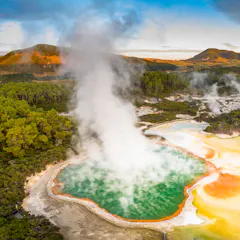
Supercritical geothermal is worth exploring and drilling might soon be technically feasible. But its value will be limited if wind and solar energy costs continue to fall.
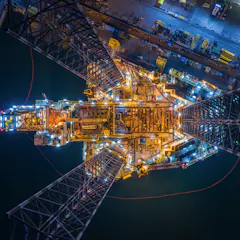
The Emissions Trading Scheme would have been a better tool to reshape the energy market and cut emissions than an outright ban – and most new exploration had largely dried up already.
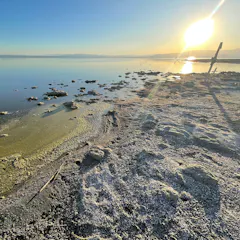
The promised ‘white gold rush’ would extract lithium alongside geothermal power production. The mineral is used in EV batteries, but even this less-polluting mining raises local health concerns.
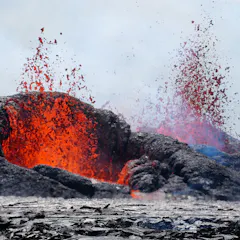
We don’t generate power directly from volcanoes, but their presence is a sign that there are good geothermal resources underground that can be tapped.
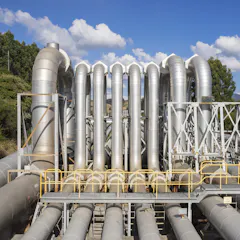
Our research shows NZ’s potential to burn forestry waste and capture the emissions in geothermal wells. But we’ll need new partnerships between power generators, manufacturers and the forestry sector.
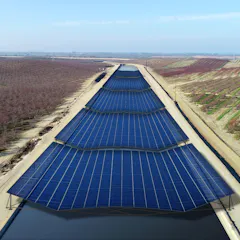
From pulling carbon dioxide out of the air to turning water into fuel, innovators are developing new technologies and pairing existing ones to help slow global warming.
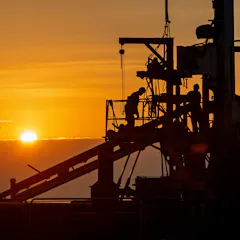
UK law currently regards heat as a physical characteristic, rather than a useful resource.
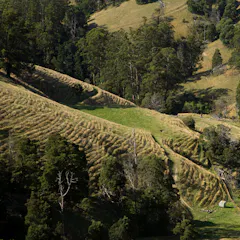
It’s 650 metres below the surface, across 6,000 square kilometres – and has been overlooked for far too long.
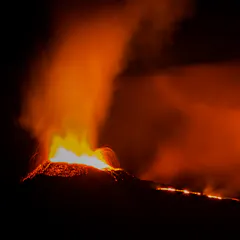
The study of neutrinos produced within the Earth’s interior provides a better understanding of the radioactivity of our planet.
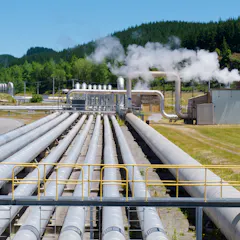
Geothermal reservoirs supply more than 15% of New Zealand’s electricity. The heat energy stored in geothermal fields is vast but not infinite.

Net zero energy buildings produce at least as much energy as they use. Designing whole net zero campuses and communities takes the energy and climate benefits to a higher level.

There are some good explanations for the mismatch between regional support for climate action and the areas where renewable energy is making the biggest inroads.
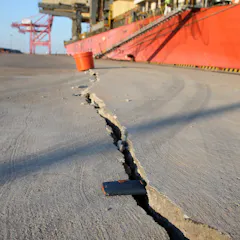
Two separate studies have concluded that fracking was the likely cause of a fault line rupture, precipitating the 5.5 earthquake.
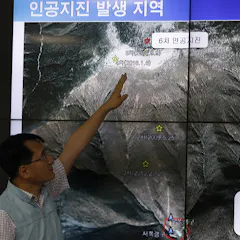
Earthquakes can shape political decisions so understanding them is crucial.
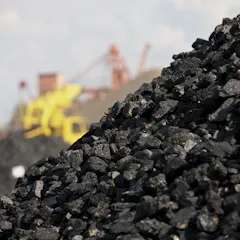
The legacy of the dirtiest of fuels – coal – has the potential to deliver a low carbon energy future.
Top contributors
-

Professor in Civil and Environmental Engineering, University of Canterbury
-
Assistant Professor, Durham University
-
Research Fellow in Computational Seismology, UCL
-
Senior Research Fellow, School of Engineering, University of Glasgow
-
Royal Society Research Professor, Earth Sciences, University of Oxford
-
Assoc Prof. Renewable Energy, Monash University
-
Professor
-
Professor of Sustainable Design & Construction, Glasgow Caledonian University
-
University of Southern Queensland
-
Professor of Mechanical Engineering, The University of Queensland
-
Senior Lecturer in Geotechnics and Environments, Glasgow Caledonian University
-
Emeritus Professor of Geology, University of California, Riverside
-
Departmental Research Lecturer, Smith School of Enterprise and the Environment, University of Oxford
-
Professor of Environmental Science, Columbia University
-
Professor of Geoenergy, Carbon Capture and Storage, Durham University