
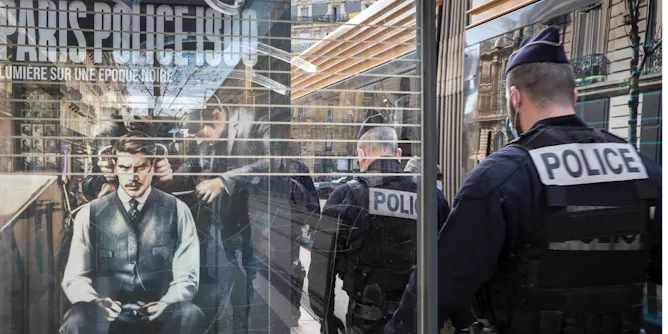
The classic cop show is now a problematic genre, but if it can change, then perhaps real world policing can too.
Articles on George Floyd
Displaying 41 - 60 of 152 articles
When the movement made its way from the United States in 2016, it wasn’t met with nearly the same amount of support we see today.
George Floyd’s death and the US Black Lives Matter movement sparked extensive media attention. Why aren’t Australian Indigenous deaths in custody getting the same amount of media coverage?
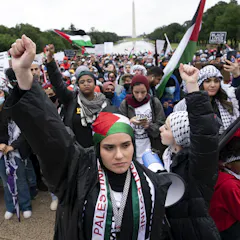
Just as BLM is forcing a reckoning with systemic racism, there is new attention being paid to the origins of the Palestinians’ struggles.
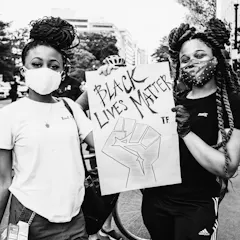
Putting a monetary value on compensation for grave historic wrongs and deciding who should benefit is fraught with difficulties. But there may be another way to look at the whole issue.
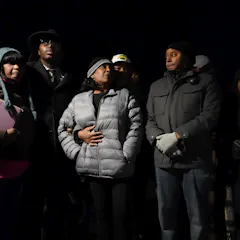
Evidence shows that many Black Americans experience police killings of unarmed Black people – even those they do not know – as traumatic events, causing acute physical and emotional distress.
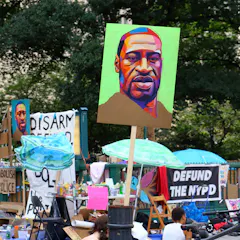
Colonial police organisations used similar arguments to uphold their power as were heard in the trial of George Floyd’s murderer.
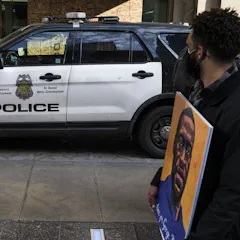
Attempts to reform US police departments fail when they are unable to get community support. Perhaps it is time to take a different tack, argue two criminal justice scholars – one a former cop.
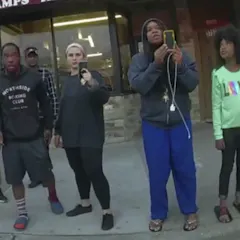
A game theory expert explains why a witness to a troubling situation who is in a group may feel a lesser sense of personal responsibility than a single individual.
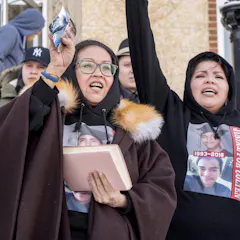
Years of research show that Indigenous, Black and racialized people experience over-policing but also, under-policing, as was the case with the RCMP investigation into Colten Boushie’s death in 2016.
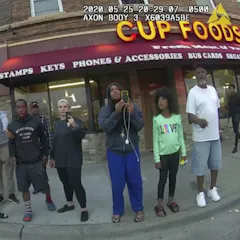
The history and weight of US press freedom played a powerful, but unacknowledged, role in the conviction of Derek Chauvin for murdering George Floyd.
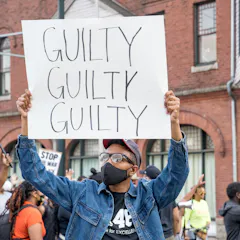
How does pretrial publicity affect jury verdicts? What kind of verdicts are made when the jury is racially diverse? An expert on juries answers questions raised in the wake of the Chauvin verdicts.
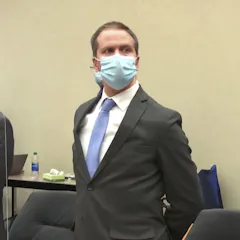
The conviction of a former police officer for murder is unprecedented - and an indication of the long, brutal history of racism in US law enforcement.
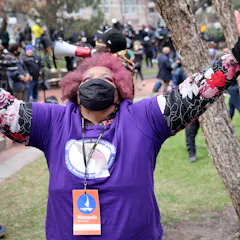
Scholars of policing, law, race and Minnesota history explain the landmark guilty verdicts handed down in the trial for the murder of George Floyd.

The trial of Derek Chauvin for the murder of George Floyd reveals a broken system of policing. The guilty verdicts should be a starting point for fundamental and meaningful change.
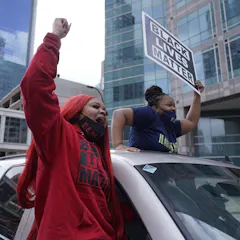
In the wake of the conviction of the police officer who killed George Floyd, recent court decisions against what’s known as “qualified immunity” are promising.
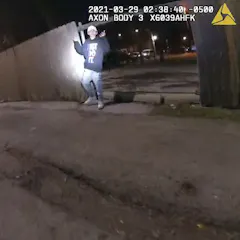
In the aftermath of Adam Toledo’s death, police and a prosecutor framed the incident as a confrontation with an armed male holding a gun. Should reporters have been so quick to accept that version?
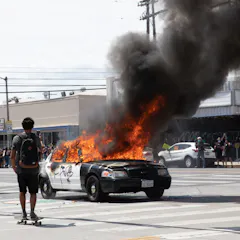
The continued killings of Black people at the hands of the police in the United States has contributed to an environment of continued marginalization and oppression.

There’s a divergence in how a trial is conducted, what rules govern it – and the larger issue of racial justice. That divergence affects the legitimacy of any verdict.
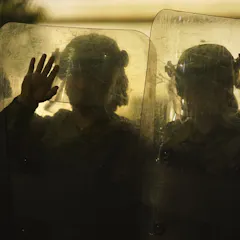
We need to clarify the role of the police, to promote a more justice-oriented style of police leadership and to put in place long-term mechanisms of accountability to support and sustain change.
Top contributors
-

Professor, Sociology, University of Alberta
-
Associate Professor at the School of Social Transformation, Arizona State University
-
Professor of Journalism, Michigan State University
-
Professor of Sociology and Criminology, Villanova University
-
Professor of Criminal Justice, University of Winnipeg
-
Associate Professor of History, Deakin University
-
Professor of Social Work, University of Louisville
-
Associate Professor of Journalism, USC Annenberg School for Communication and Journalism
-
Assistant Professor, Augusta University
-
Vice President for Diversity and Inclusion, University of Dayton
-
Assistant Professor of Justice Studies and Sociology, Norwich University
-
Assistant Professor of Criminal Justice and Criminology, Georgia State University
-
Associate Professor of Gender, Religion and Critical Studies, University of Regina
-
Associate Professor of Criminology and Criminal Justice, University of Nebraska Omaha
-
Assistant Professor of Sociology, University of Tennessee