
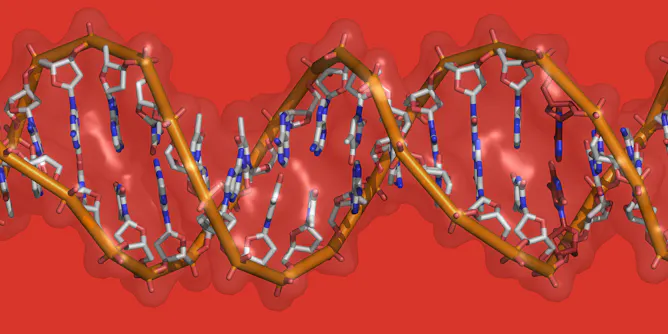
Researchers are starting to harness the potential of this much-hyped gene editing technique – with coming applications in medicine, biology and agriculture.
Articles on Genetically Modified Organisms
Displaying 21 - 40 of 62 articles
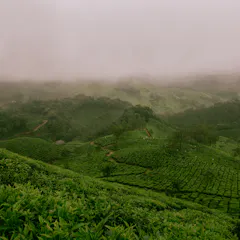
Sequencing the tea plant’s genome could help scientists breed new varieties that thrive in the degrading soil of tea farms.
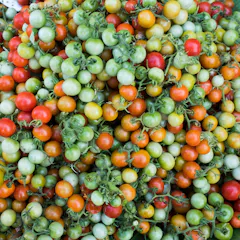
New research pinpoints the genes that could counteract decades of bland breeding.
Genome editing and synthetic biology are giving rise to new forms of life. But do these organisms have conservation value as part of earth’s biodiversity?

Public health experts enlist the molecular biology tools that create genetically modified organisms – as well as the GMOs themselves – in the fight against emerging infectious diseases.
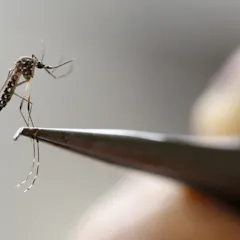
Look beyond transgenic techniques that add new genes to a species. People have used selective breeding techniques to change plants and animals for millennia – why not try them on mosquitoes?
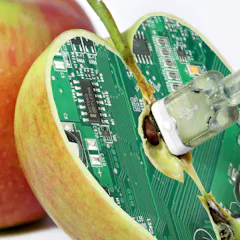
Everything from domesticated carrots to glow-in-the-dark tobacco fits somewhere on the spectrum. ‘Banning GM’ isn’t a simple yes-no decision.
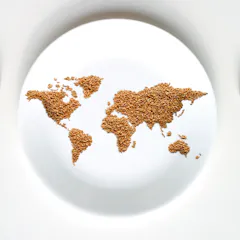
The concerns about genetically modified foods are well known. But when we look at population and climate projections, what happens if we don’t use them to increase our food supply?
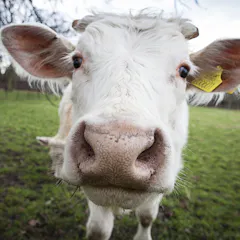
Genetically modified animals can help to feed the world’s burgeoning population, but there is still a lot of misinformation concerning its safety.
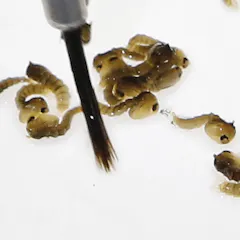
Insecticides and mosquito nets only get you so far. Synthetic biologists are ready to take the battle against mosquito-borne disease to the level of DNA – which might spell the insects’ ultimate doom.
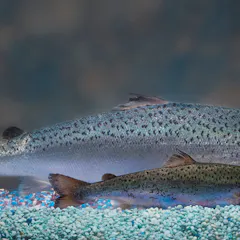
The US food authority may have approved GM salmon for our consumption, but it may take time before any appear in our stores.
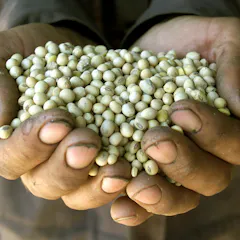
Scientists are developing GM crops that don’t need pesticides and other chemicals to help them grow. Isn’t that what organic farmers want too?
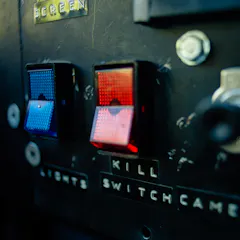
New research suggests how we could prevent genetically modified organisms from surviving - and potentially spreading - in the wild.
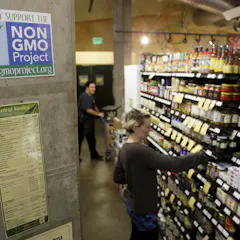
Statewide survey in Vermont finds GM food labels don’t scare consumers or indicate an inferior product. In some cases, labels built trust in the technology.
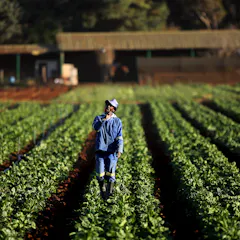
Only a few African countries are using genetically modified organisms for their crops.
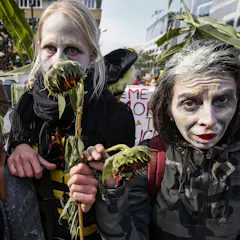
Major survey shows how attitudes towards GM food in Europe depend on gender, background and profession.
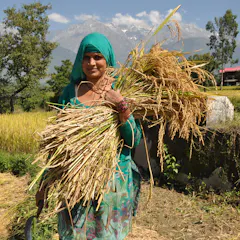
Hardy new grains are being developed that can cope with extreme bursts of heat.
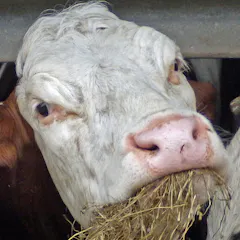
European countries can stop growing genetically modified crops, but many of their cows are still fed with imported GM.
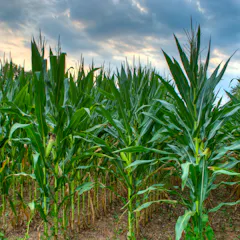
People have been changing plant genomes ever since agriculture got started thousands of years ago. Here are the high-tech ways researchers insert new genes into plants now.
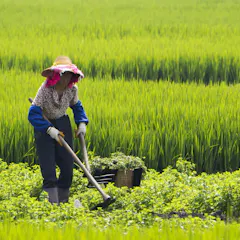
One of China’s major genetically modified food projects is now to all intents and purposes dead and buried. The expiry on August 17 of the biosafety certificates issued to strains of GM rice developed…
Top contributors
-

Professor of Molecular Biology and Genetics, University of Canterbury
-
Professor and Chair Community Development and Applied Economics, University of Vermont
-
Professor of Ocean Leadership, University of Tromsø
-
Professor of Plant Science, Lancaster University
-
Jenny Graves is a Friend of The Conversation.
Distinguished Professor of Genetics and Vice Chancellor's Fellow, La Trobe University
-
Science communicator and communication consultant to Questacon, and alumni, CSIRO
-
Associate professor, University of Sydney
-
PhD Student, Universidade Federal de Santa Catarina (UFSC)
-
Director of Marine Sciences and Professor of Aquaculture, Flinders University
-
Clinical Associate Professor, School of Medical Science & Sydney Infectious Diseases Institute; Principal Hospital Scientist, University of Sydney
-
Senior Lecturer in Food Biotechnology and Microbiology, Agriculture and Food Systems, The University of Melbourne
-
Professor of Population Ecology, University of Leeds
-
Senior Lecturer in Medical Microbiology, Edinburgh Napier University
-
Senior Lecturer, Department of Media and Communications, Faculty of Arts and Social Sciences, University of Sydney
-
Professor; Dean, Melbourne School of Land and Environment, The University of Melbourne