

Norway has banned first-cousin marriages, but an ethicist explains why the UK shouldn’t follow suit.
Articles on Genetic disorder
Displaying all articles

What might an updated newborn screening program look like?

Children with childhood dementia progressively lose all previously acquired skills and abilities, such as talking, walking, learning, remembering and reasoning.
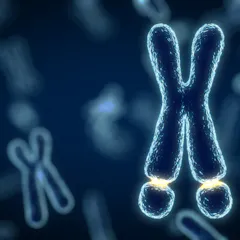
Fragile X syndrome is the most common inherited form of intellectual disability. Using short bits of DNA to fix improperly transcribed genes may one day be a potential treatment option.

People with Down syndrome have an extra chromosome 21. Understanding the effects of those triplicated genes could help improve the health of those with Down syndrome and other medical conditions.

Gene therapies and vaccines are often injected into muscle cells that are inefficient at producing desired proteins. Making them work more like liver cells could lead to better treatment outcomes.
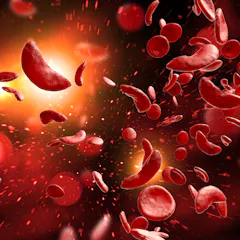
Of the 20 million people living with sickle cell disease globally, more than 66% are in sub-Saharan Africa.

Deciphering the biological pathways behind rare genetic diseases often involves assembling a team of specialists to work closely with the family members of those affected.
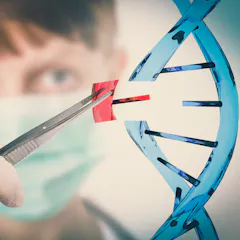
16p11.2 deletion or duplication syndrome occurs in three out of every 10,000 people.

Haemochromatosis is more severe than previously thought and is often diagnosed too late. But the treatment is simple.

South African geneticists and international counterparts have traced the origins of a genetic peeling disorder, Oudtshoorn skin, and discovered the mutation that causes it.
1 in 2,000 people are born with 22q, yet the rest of society hardly knows about it.
It seems like a no brainer to edit out genetic disease…until we pause to consider what would be lost.

Tomcat, a play by James Rushbrooke, portrays a dark future where there is no place for neurodiversity. Is this our future?
The vast majority of people can probably tell you that autism is associated with problems relating to others and interacting socially. Far fewer people will be able to tell you about another developmental…
Top contributors
-

Professor of Epidemiology and Public Health, University of Exeter
-
PhD student in Neuropsychiatric Genetics and Genomics, Cardiff University
-
Professor in Medicine, Ethics and Society, University of Warwick
-
Director of the Sydney Brenner Institute for Molecular Bioscience, Professor in the Division of Human Genetics, University of the Witwatersrand
-
Research Fellow in Genomic Epidemiology, University of Exeter
-
Research Fellow, University of Exeter
-
Professor of Developmental Psychology, Department of Psychology, Durham University
-
PhD candidate in the Division of Human Genetics, Faculty of Health Sciences, University of the Witwatersrand
-
Professor of Ethics and Sports Integrity, KU Leuven
-
Head, Paediatric Neurodegenerative Diseases Research Group, Adelaide University
-
Research Associate, Division of Psychological Medicine and Clinical Neurosciences, Cardiff University
-
Senior lecturer in Haematology, University of Ghana
-
Assistant Professor of Molecular Medicine, UMass Chan Medical School
-
Distinguished Professor of Biochemistry and Molecular Biology, UMass Amherst
-
Professor of Pediatric Genetic Medicine, Albert Einstein College of Medicine