
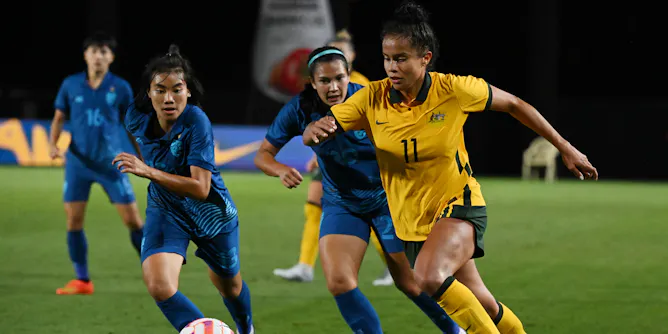
Sport and exercise psychology research studies – which inform the strategies athletes use to reach peak performance – have predominantly used male participants.
Articles on Gender bias
Displaying 41 - 60 of 214 articles

From primary care to cancer screening and insurance coverage, gender-diverse people still face many hurdles to getting good medical care.
Men were significantly less likely to express confidence in the Federal Reserve and optimism about the economy when monetary policy information came from a woman versus a man.

Although female inventorship has grown over the years, 15 years’ worth of patent outcomes from IP Australia suggests inventing is still a luxury for women.

Even when they offer similar listings, female hosts tend to charge less than their male counterparts.

For many men, grey hair is just part of getting older, but for women, going grey can have major consequences.

Frances Haugen, Timnit Gebru and Janneke Parrish are at the forefront of a group of high-profile women calling out big tech. Is there a connection between their gender and their role as whistleblowers?

Comparing students’ comments on their teachers in in-person classes in 2019 and online classes in 2020, the one difference that stands out is the increase in bias against female lecturers.

Some countries report higher rates of COVID-19 cases and deaths among men. This might be due to underreporting among women with limited health access.

The proportion of women in a discipline influences how rigorous and trustworthy people rate the field overall, as well as whether they categorize a STEM field as a ‘hard’ or ‘soft’ science.
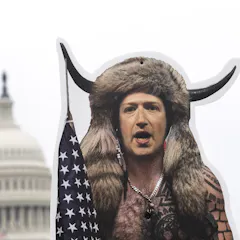
Misinformation will continue to strain society in 2022 as the lines between misinformation and political speech blur, cynicism grows and the lack of regulation allows misinformation to flourish.

Research tracking teachers, classes and their grades over many years shows gender bias has long-term impacts on students’ performance and their post-school study choices.

When academics were asked to draw, write and reflect on their career journeys, the results were revealing. While men were free to focus on their careers, the picture was more complicated for women.
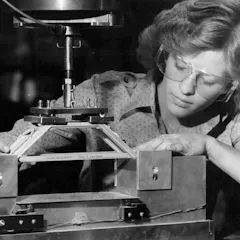
A survey of 251 women engineers who graduated from college in the 1970s sheds light on the experiences of these professional pioneers.
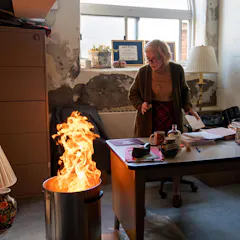
Student experience or satisfaction surveys are not a reliable guide to teaching performance. Even worse, anonymous survey responses are at times little better than university-facilitated hate speech.
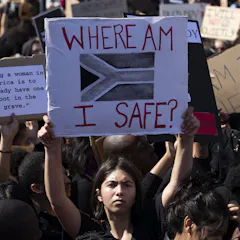
The problem of gender-based violence and femicide in South Africa is structural and fuelled by inequalities that transect race, class, gender, sexuality and age.
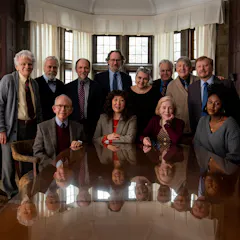
Even though The Chair confronts some of the tougher realities of higher education, the world it depicts is still rosier than the reality.

The language in job postings may be hampering the efforts of organizations in male-dominated industries to create more gender-diverse workforces.
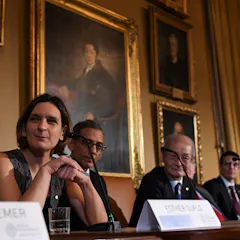
Science is not egalitarian. Top researchers get more credit and funding than lesser-known scientists. The long-held practices creating inequality also amplify gender disparities that hold back women.

Digital assistants have been defaulted to having female voices because of how developers and coders view women’s labour.
Top contributors
-

Ph.D. Candidate in Psychology, Northwestern University
-
Senior lecturer, School of Psychology, Deakin University
-
Honorary Fellow, Melbourne Business School
-
Professor and Deputy Vice-Chancellor (Research), University of Sydney
-
Lecturer, The University of Melbourne
-
Professor of Communication and Media Analysis, Loughborough University
-
Associate Professor of Data Science, University of Virginia
-
Professor of Law, University of Oregon
-
Deputy Vice Chancellor Research & Innovation, Adelaide University
-
Research Scientist, The University of Queensland
-
Dean, School of Computing Technologies, RMIT University, RMIT University
-
Professor of Mathematics, University of Sydney
-
Adjunct Professor, James Cook University
-
Professor of Employment and Industry, School of Business and Law, Edith Cowan University
-
Senior Research Specialist, Human Sciences Research Council