

City transformation is increasingly being shaped by a complex interaction between the past and the future.
Articles on Future cities
Displaying 1 - 20 of 27 articles
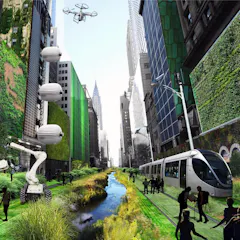
We need to change how we imagine the cities of the future in order to respond to today’s concerns.

Making cities greener is a vital endeavour – but one that comes with potential pitfalls.
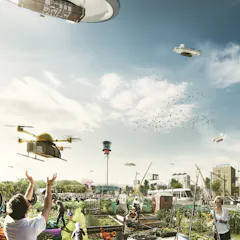
An influx of drone technology will mean changes to how cities are built.
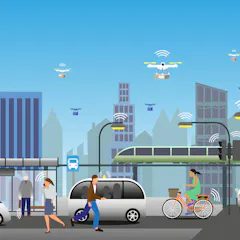
A whole range of social and technological changes could revolutionise how we travel in the coming decades.
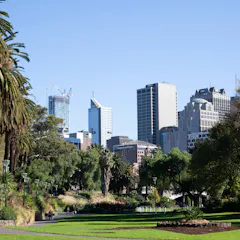
Future Earth Australia is working to create a long-term national plan of transformation for our cities. As part of this, everyone in Australia is invited to have their say in a survey.

Other countries are planning new cities using technological innovation to achieve more sustainable development. Such plans aren’t new for Australia, but existing city growth is the focus of attention.

3-D printing has the potential to disrupt local manufacturing, and re-configure approaches to urban design, planning and production.

Governments have started to see automation as the key to brighter urban futures. But what will this look like?
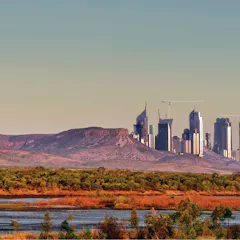
Business-as-usual projections assume our four biggest cities must absorb three-quarters of Australia’s population growth over the next 30 years. Might new cities be a better way to deal with it?
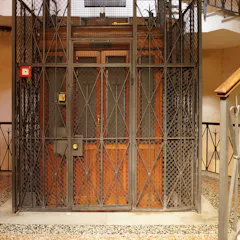
New technology could make it practical to build skyscrapers far taller than even today’s highest – and change how people live, work and play in tall buildings.

All it takes is data … lots of data.

Pollution, poverty, disease and death: future cities will be grim places, unless we do things differently.
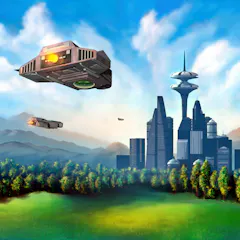
Smart cities do more than develop products to increase productivity and prosperity. Mayors, CEOs and leaders engage entire communities in shaping the future of cities.
CC BY-ND50.9 MB (download)
In this episode we look at historical visions of the future and how accurate they were, the future of work, and what it's like to predict the future for a day job.
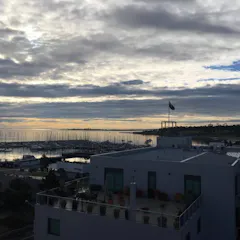
Greater Geelong’s ‘Our Future’ is a process of involving industry professionals and the community in the development of a long-term vision for Victoria’s second-biggest city.
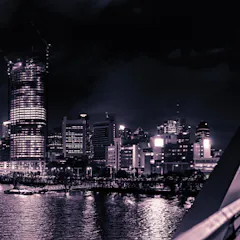
With foresight, we can steer our cities closer to the future we want instead of the futures we fear.
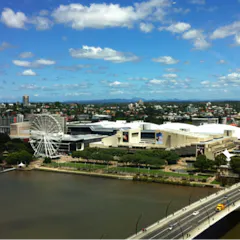
A long-term plan can’t properly underpin a vision without engaging many of Southeast Queensland’s stakeholders and visitors or without the use of appropriate futures methods.

We can live comfortably and sustainably in hot places – but we’ll have to ditch the glassy skyscrapers.

Temperatures are set to rocket throughout the 21st century, but design lessons from history could help the gulf states stay cool.
Top contributors
-

Futurist, University of the Sunshine Coast
-
Professor of Architecture and Urbanism, Manchester Metropolitan University
-
Senior Lecturer in Design (People, Places, Products), Lancaster University
-
Laureate Professor Emeritus, The Peter Doherty Institute for Infection and Immunity
-
Professor of Data Science, Bournemouth University
-
Professor of Urban Creative Design, Beijing DeTao Masters Academy
-
Professor of Intelligent Engineering Systems, Nottingham Trent University
-
Emeritus Professor of Urban & Regional Planning, University of Canberra
-
Lecturer in Operations Management, University of Leeds
-
Professor of Organisation Studies, University of Bristol
-
Professor Sustainability and Urban Governance, RMIT University
-
Executive Director, Council on Tall Buildings and Urban Habitat; Visiting Professor of Architecture and Urban Planning, Tongji University Shanghai; Research Professor of Architecture, Illinois Institute of Technology
-
Deputy Director, Australian Urban Design Research Centre, The University of Western Australia
-
Assistant Professor of Environmental Governance, Australian National University
-
John Rennie Short is a Friend of The Conversation.
Professor Emeritus of Public Policy, University of Maryland, Baltimore County