
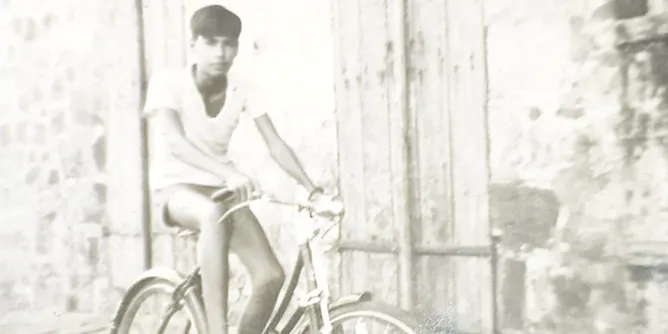
My family is Mauritian, but when I take a DNA test, Mauritian didn’t even rank as an ethnicity. It can’t. Everyone from Mauritius is from somewhere else, or from many places at the same time.
Articles on Friday essay
Displaying 161 - 180 of 399 articles
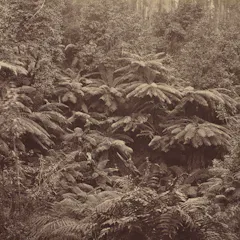
A study of over 2000 early landscape photographs shows how nature was framed as a wilderness, empty of First Nations peoples.
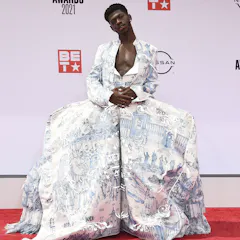
More famous men are wearing dresses, harking back to ancient times, when androgynous clothing was the norm. But for male dresses to truly take off they might need a style separate to women’s.
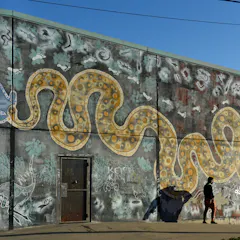
The Rainbow Serpent features in murals across the nation and as an Indigenous fairytale in books. But such images are often far removed from this Ancestral Being’s traditional ambivalent meanings.
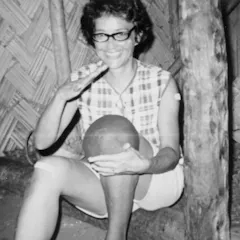
‘Wives’, volunteers, assistants: the vital contribution of women archaeologists has long been underplayed, if not erased. A new project uncovers trailblazers in the Pacific.
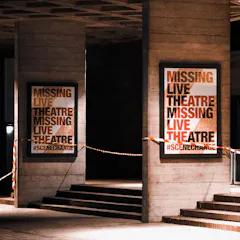
The end of the pandemic may be in sight. The pain for Australia’s theatre sector is only just beginning.
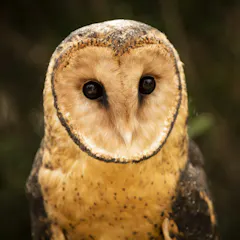
Birds have always been charged with carrying the burden of our feelings, writes Delia Falconer. Yet we’ve never treated these inscrutable, vivacious companions particularly well.

Nevermind was a cultural phenomenon, though many critics missed its significance at the time.
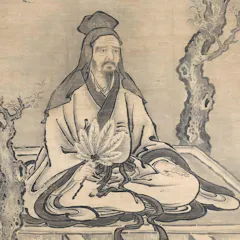
Confucius looked nothing like the great sage in his own time as he is widely known in ours. But his ideas continue to shape contemporary life for many.
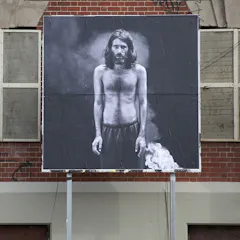
From the Intercolonial Exhibition in 1866 to a landmark show, a century later, in which Aboriginal photographers displayed their works, photography has shaped the nation.

There’s something disturbing about a story tracking a character’s mental decline for thrills. Happily, Paula Hawkins’ new novel, A Slow Fire Burning, joins a genre of books bucking this trend.

From Fiji to France to Central Australia, stories abound of lands lost beneath the sea. Some are likely founded on millennia-old memories of coastal submergence, offering us clues today.
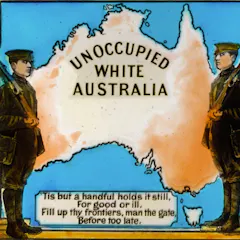
Exclusion has been central to utopian ideas of Australia since before Federation. It still lingers. To progress in this climate-challenged century, Australia’s foundational wrongs must be righted.
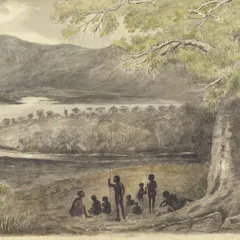
Outnumbered 200 to one and using traditional weapons, Tongerlongeter and his warriors drove the colony to desperate measures. In other wars his self-sacrifice would have earned him a medal.
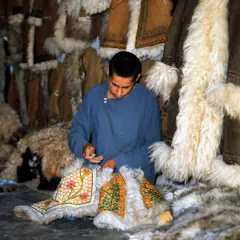
How an item of traditional Afghan dress became a staple of western “hippie” fashion from the 1960s right up to today.

By the end of the 19th century, the Devil had become a figure of myth. Ironically, that helped his image proliferate in popular culture.
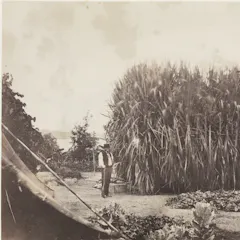
When Britain legislated to abolish slavery in 1833, some former slave owners moved to the Australasian colonies. New research traces this movement of people, money and ideologies.

It’s no coincidence that more books about trees are popping up. There is an air of desperation in new books by Peter Wohllben, Janine Burke and others.
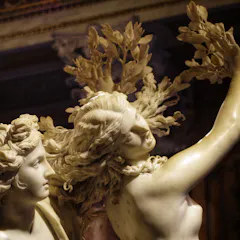
This ancient myth, in which a nymph transforms herself into a tree to escape the lustful attention of the god Apollo, has inspired countless retellings in art. Its themes resonate today.
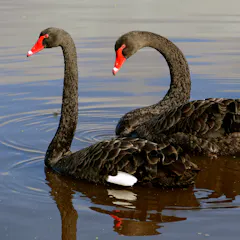
Not only is the black swan important for many Aboriginal people, it was also a potent symbol within the European imagination — 1500 years before Europeans knew it existed.
Top contributors
-

Professor in Politics and Journalism, University of Notre Dame Australia
-
Associate Professor in Literary Studies, Monash University
-
Associate Professor in Creative Writing, Griffith University
-
Visiting Research Fellow, Department of English and Creative Writing, Adelaide University
-
Emeritus Professor in the History of Religious Thought, The University of Queensland
-
Honorary Professor of Classics and Ancient History, School of Historical and Philosophical Inquiry, The University of Queensland
-
Joanna Mendelssohn is a Friend of The Conversation.
Honorary Senior Fellow, School of Culture and Communication, The University of Melbourne
-
Senior Lecturer, Discipline of English and Writing, University of Sydney
-
PhD Candidate, Creative Writing, The University of Melbourne
-
Associate Professor (adjunct) in Creative Writing, Flinders University
-
Emeritus Professor of Creative Writing, The University of Melbourne
-
Lecturer, Deakin University
-
Professor Emeritus of Media and Culture, Griffith University, Griffith University
-
Professor of English, Flinders University
-
Research Fellow, Digital Cultures & Societies, The University of Queensland