
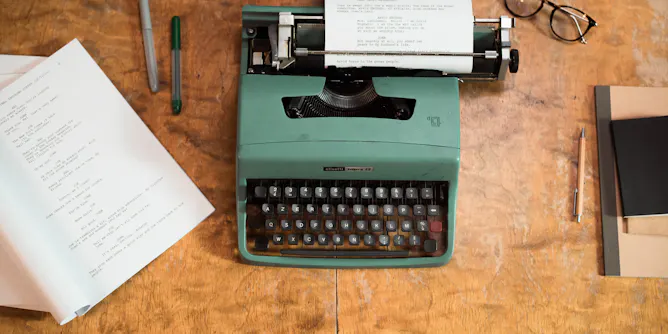
Establishing the facts – and disentangling fact from legend – is not always straightforward when it comes to biography. Frank Moorhouse’s biographer unpacks his process.
Articles on Friday essay
Displaying 101 - 120 of 399 articles
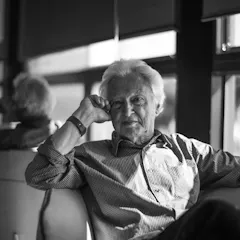
Bit by bit, the philosopher Rai Gaita showed Maria Tumarkin and Juliet Rogers the morally serious worth of face-to-face conversation.
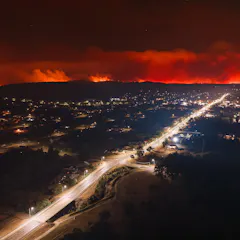
Jem Bendell encourages us to think about societal collapse in ways that are ‘profound and startlingly original’, with the potential to birth whole new social movements, says Tom Doig.
Australians could once claim compensation for injuries arising from a broken engagement. Today, the responsibility for romantic injury has been individualised and feminised, its pain trivialised.

John le Carré and Ian Fleming, the world’s most famous spy novelists, share experience in UK intelligence and difficult childhoods. But their heroes, George Smiley and James Bond, are very different.
When Jane Gleeson-White’s marriage ended two years after her mother died, she lost her voice. Books by women writers like Rachel Cusk, Olivia Laing and Maggie Nelson helped her find it again.
What makes a great writer? A key element is the right teacher. Belinda Castles reflects on her own guides, as do authors such as Margaret Drabble, Ngũgĩ wa Thiong’o and Paul Theroux in a new book.

Briohny Doyle picked up Lessons in Chemistry not for its sassy-romance cover – which this subversive international bestseller does not deliver – but because she heard it featured a ‘good dog’.
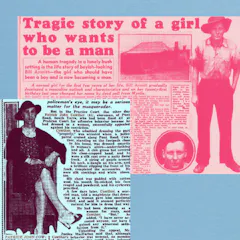
Before the 1970s, there were no trans organisations or publicly advertised gender clinics. But camp cultures brought together a variety of sexually- and gender-diverse people.
Alison Watt’s grandmother was diagnosed with ‘puerperal insanity’ and institutionalised not long after giving birth to her father. He didn’t meet her – or know she was alive – until his early 20s.
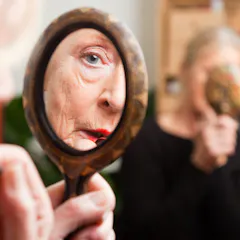
As we age, it can be hard to fathom the gap between our younger selves and the bodies we inhabit. Carol Lefevre explores this strange form of homesickness.
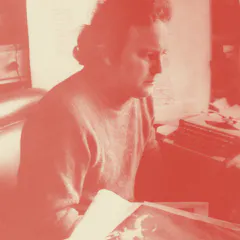
Frank Moorhouse had a lifelong fascination with crossing borders – including the borders of gender and sexuality. It was reflected in both his life and his writing.
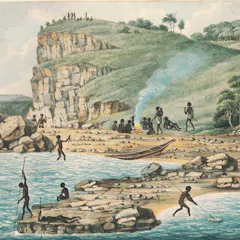
Across the continent, diverse, adaptable fishing practices, recipes and rituals were a cornerstone of Indigenous life at the time of first contact – and many remain so to this day.
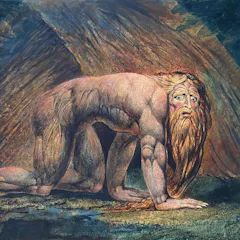
Humans have attempted to understand and treat mental illness for centuries – from ancient Greek medicine, Middle Ages exorcisms and the rise of asylums, to modern medical breakthroughs.
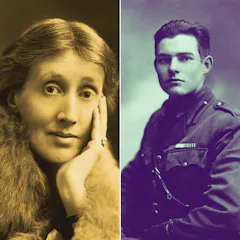
To read broadly and deeply is a marvellous thing that can make us alert to the wide-ranging varieties of being. But no book will condemn or redeem us.
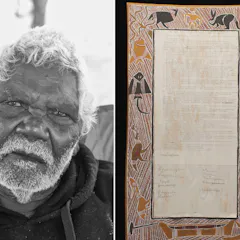
Clare Wright has spent ten years researching the history of these groundbreaking petitions. Though few Australians have heard of them, she writes, we can learn much from the story of their creation.
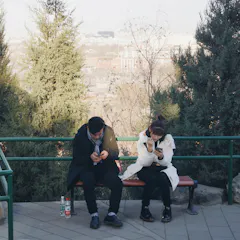
Chinese Australians use WeChat for everything from paying bills and attending funerals, to helping community members in need. Banning the ‘super sticky’ app would do more harm than good.
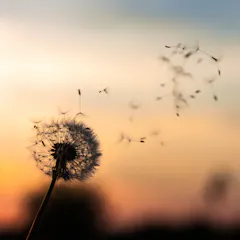
Invisible to the naked eye, the work of the wind often goes unnoticed. Yet, for millennia, this unseen force has shaped religion, trade, warfare, culture, science and more.
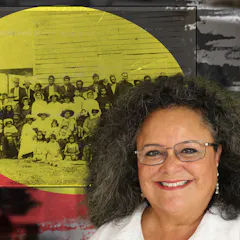
When Shauna Bostock began researching a book on her family, she thought it would be limited to her Aboriginal ancestry. But then a late-night phone call led her down a surprising path.
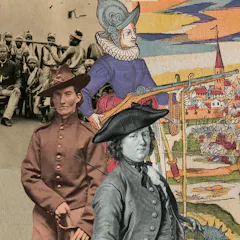
Fighting in sieges, an army of crack female troops, cross-dressing as male soldiers: women have survived and thrived as part of the war machine. But they’re rarely included in military histories.
Top contributors
-

Professor in Politics and Journalism, University of Notre Dame Australia
-
Associate Professor in Literary Studies, Monash University
-
Associate Professor in Creative Writing, Griffith University
-
Visiting Research Fellow, Department of English and Creative Writing, Adelaide University
-
Emeritus Professor in the History of Religious Thought, The University of Queensland
-
Honorary Professor of Classics and Ancient History, School of Historical and Philosophical Inquiry, The University of Queensland
-
Joanna Mendelssohn is a Friend of The Conversation.
Honorary Senior Fellow, School of Culture and Communication, The University of Melbourne
-
Senior Lecturer, Discipline of English and Writing, University of Sydney
-
PhD Candidate, Creative Writing, The University of Melbourne
-
Associate Professor (adjunct) in Creative Writing, Flinders University
-
Emeritus Professor of Creative Writing, The University of Melbourne
-
Lecturer, Deakin University
-
Professor Emeritus of Media and Culture, Griffith University, Griffith University
-
Professor of English, Flinders University
-
Research Fellow, Digital Cultures & Societies, The University of Queensland